

OPPORTUNITY PLAN
A planning service for independent schools
WHAT IS AN OPPORTUNITIES PLAN?
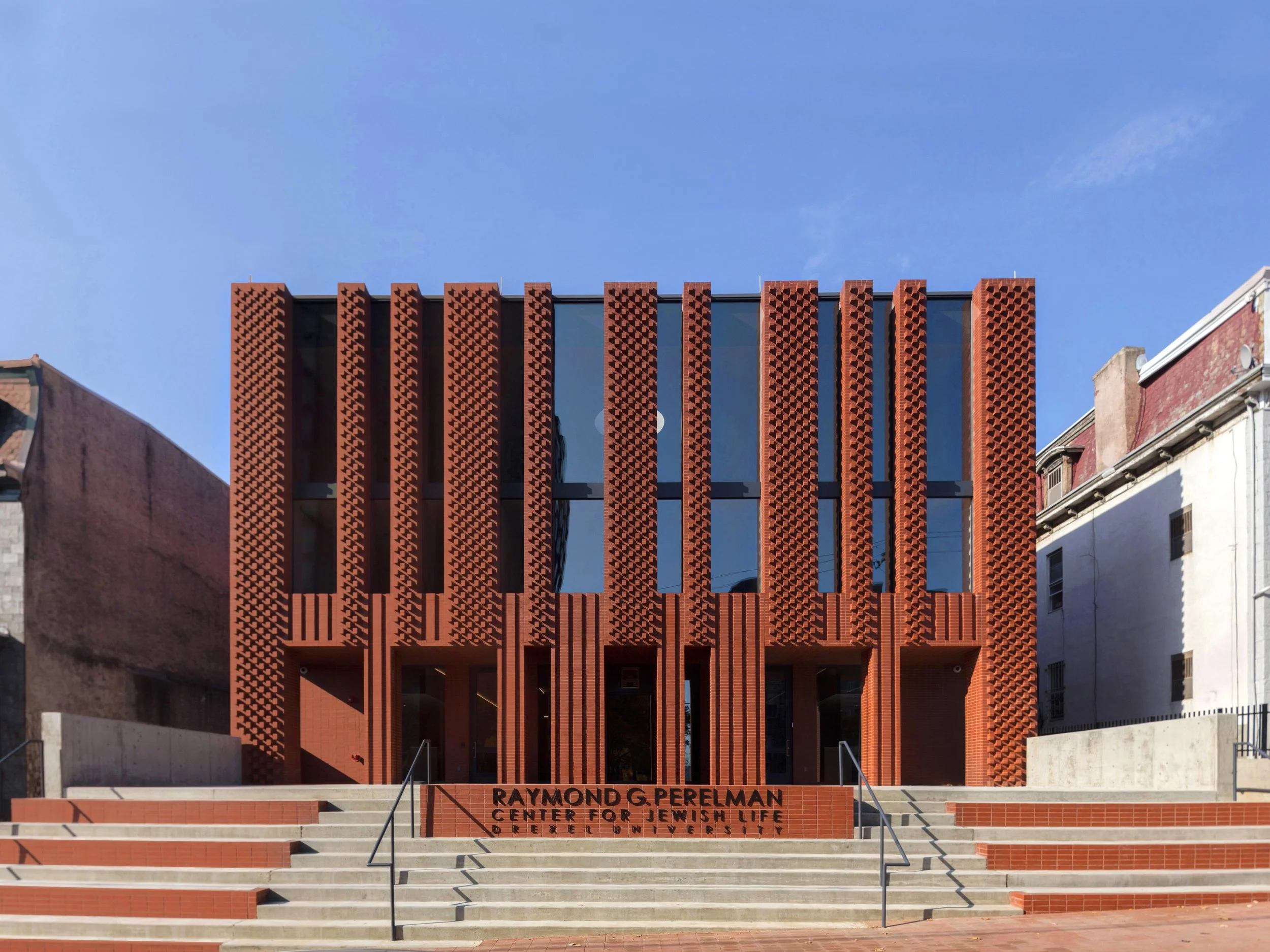
An Opportunities Plan is a campus-scale strategic study that identifies the moves available within an existing campus and the site that shapes it. It surfaces latent energy already present in the fabric of the school and translates it into actionable opportunities tied together by a unifying architectural idea. The work is grounded in site specificity. It is nimble and surgical.
Why It Exists

Three studies, three jobs.
1. Strategic. Determines pedagogical variables.
2. Opportunities. Surfaces latent possibilities in the campus fabric.
3. Master plan. Implements both.
All three serve educational outcomes. The strategic plan defines the program.
The Opportunities Plan reads the campus that holds it. The master plan builds what the first two require.
Without an Opportunities Plan, the master plan does double duty.
It is asked to read the campus and implement strategic ambition in the same exercise. Capacity already present in the existing fabric goes unsurfaced.
An Opportunities Plan supplies the missing study.
It catalogs what is already here. It identifies the small moves that produce large gains. It asks the campus what it offers before the school commits to building.
Strategic and Opportunities Plans are symbiotic.
A strategic plan articulates the school. An Opportunities Plan articulates what the campus already offers in service of that articulation. Together they ground whatever master plan follows.
STRUCTURE
Each Opportunity Plan is stated in four parts.
-

Move
Architectural or programmatic actions.
-

GAIN
Benefit produced.
-

dependency
Constraints, prerequisites, sequencing.
-
AREA
Square footage existing, adapted, and new. Quantifiable impact.
Output
A board-ready basis for capital decisions.
Not a design, but rather an actionable framework that precedes one.
Where It Fits

Triggers
Schools plan strategically on a regular rhythm. The dominant driver is accreditation. Regional bodies operate on five to ten year cycles that require strategic planning as part of self-study. Other drivers include leadership transitions and periodic mission review.
Timing
An Opportunities Plan is most useful before or alongside the strategic plan, not after. Where strategic planning is being facilitated by an external partner, an Opportunities Plan supplies the physical layer that facilitation cannot reach.
Effort
The deliverable is brief by design. A script of opportunities. An areas document. A locked dictionary of figures. An Opportunities Plan is a fraction of the effort and expense of a master plan and builds on prior planning rather than replacing it.
Natoma
Natoma Architects has worked with independent schools over many years. We prepare Opportunities Plans as a self-contained service and as the front end of broader engagements.
CASE STUDY
-
Lick-Wilmerding High School
Creating a flexible and actionable guide map that meets the school's rapidly changing needs, now and into the future.
-

OXBOW SCHOOL
Re-imagined 15-buildings Arts campus with airy studios, student and faculty housing, and admin spaces that seamlessly integrate with Napa’s landscape.
-

golden bridges SCHOOL
Vision for a living landscape of learning, where architecture, nature, and Waldorf values grow as one.
-
Muthuini School
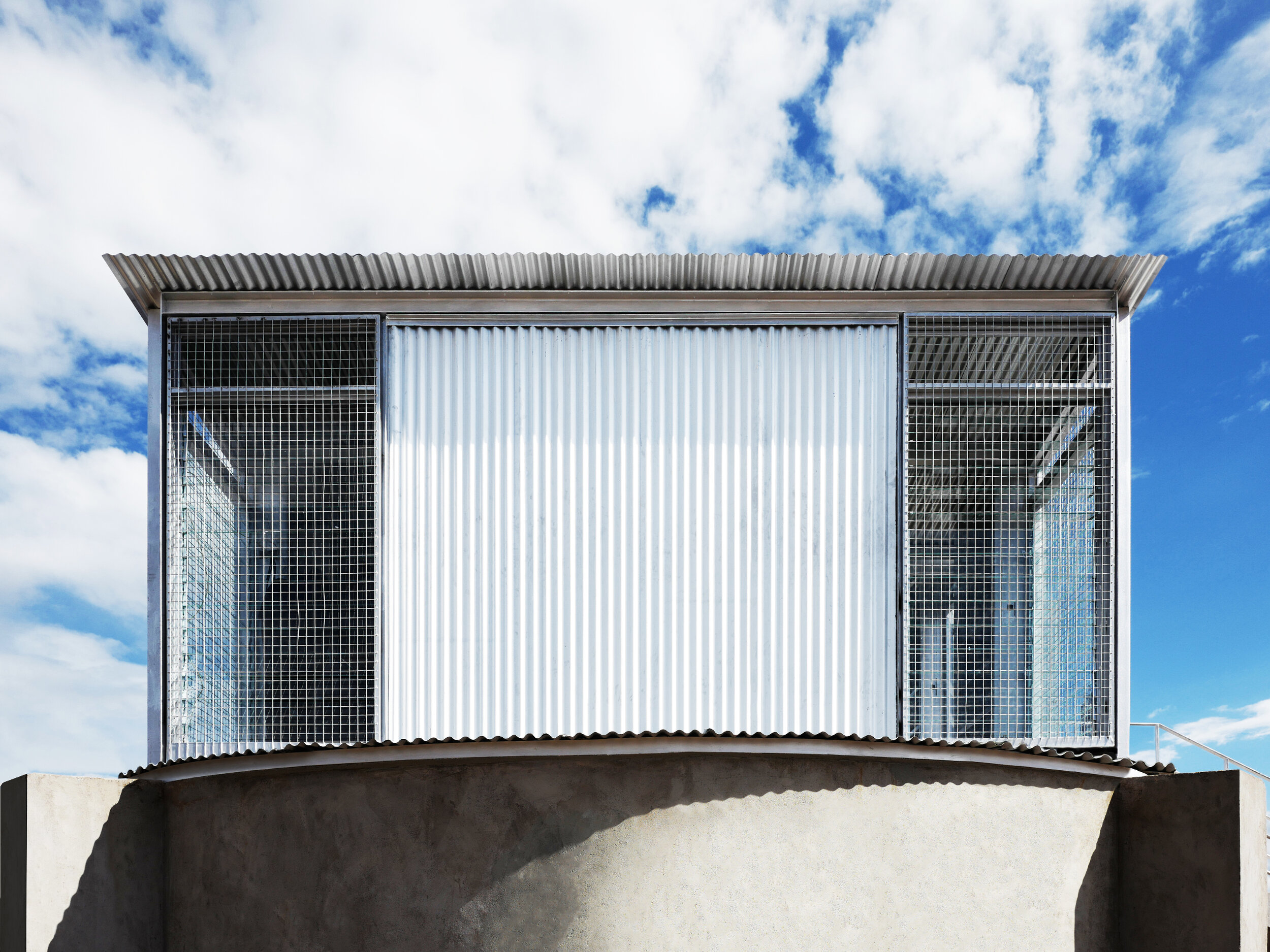
Unearthing opportunities already on site by adaptive reuse of an abandoned circular water tank into a innovative library.

Lick-Wilmerding High School
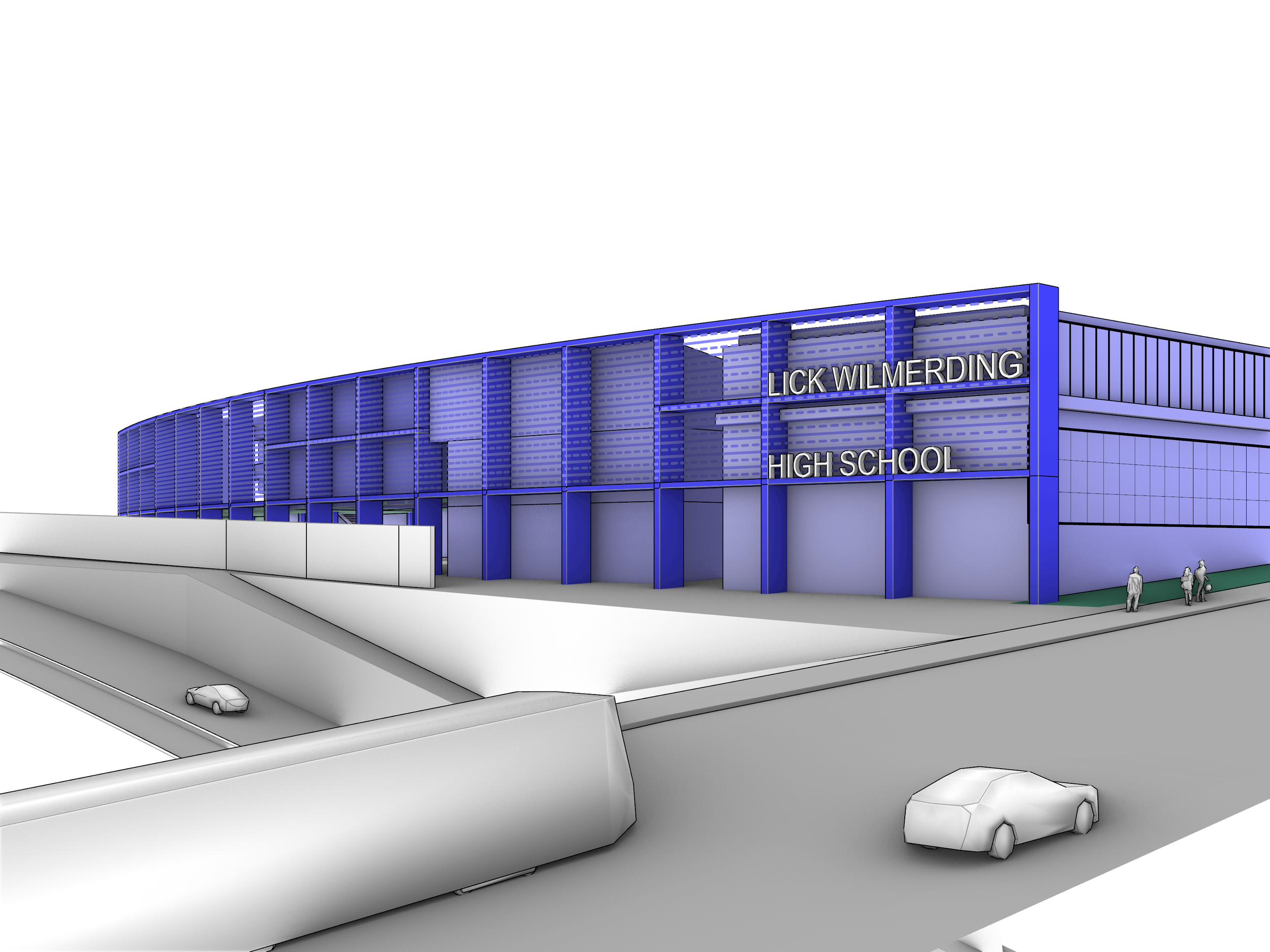
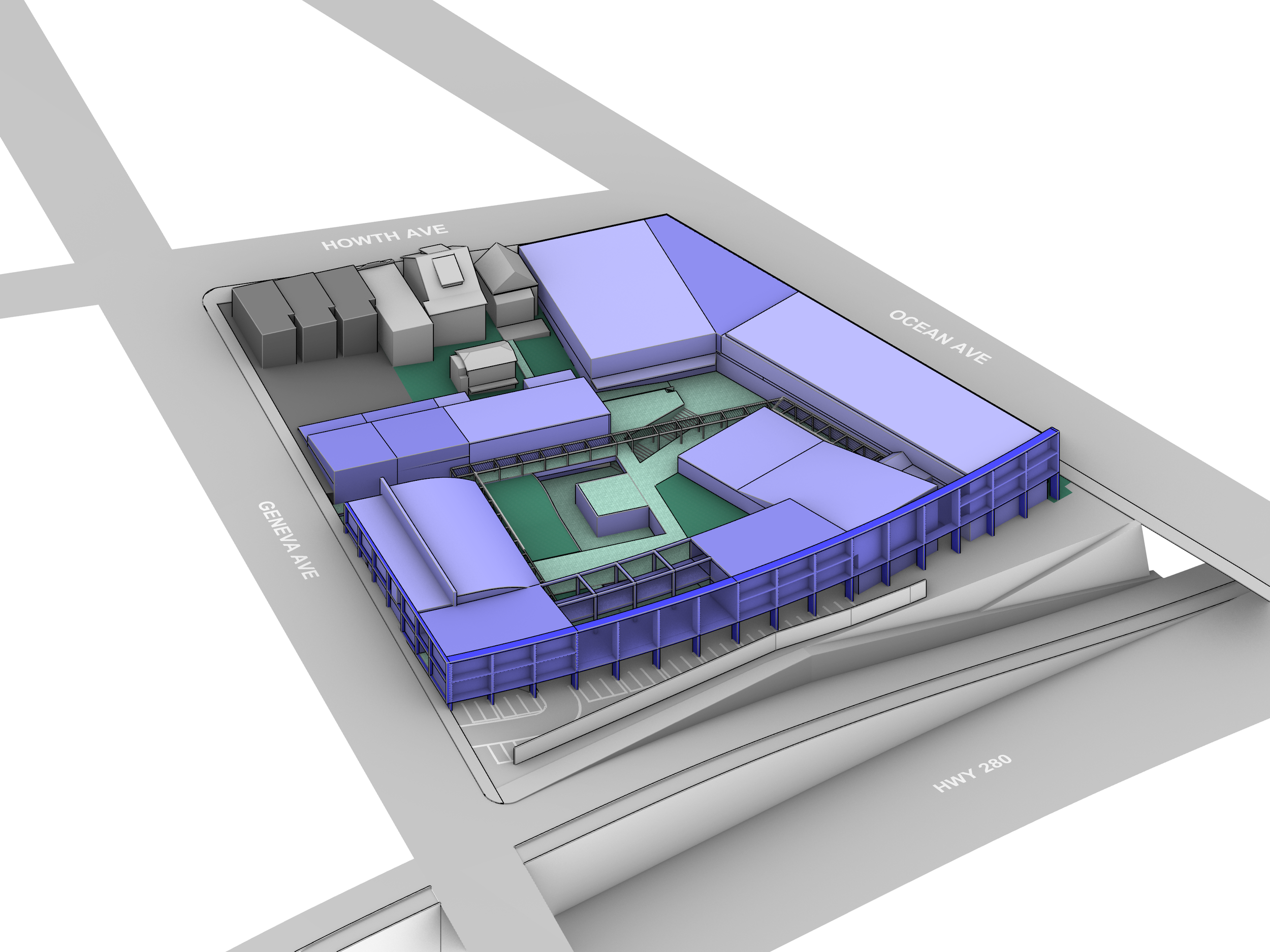
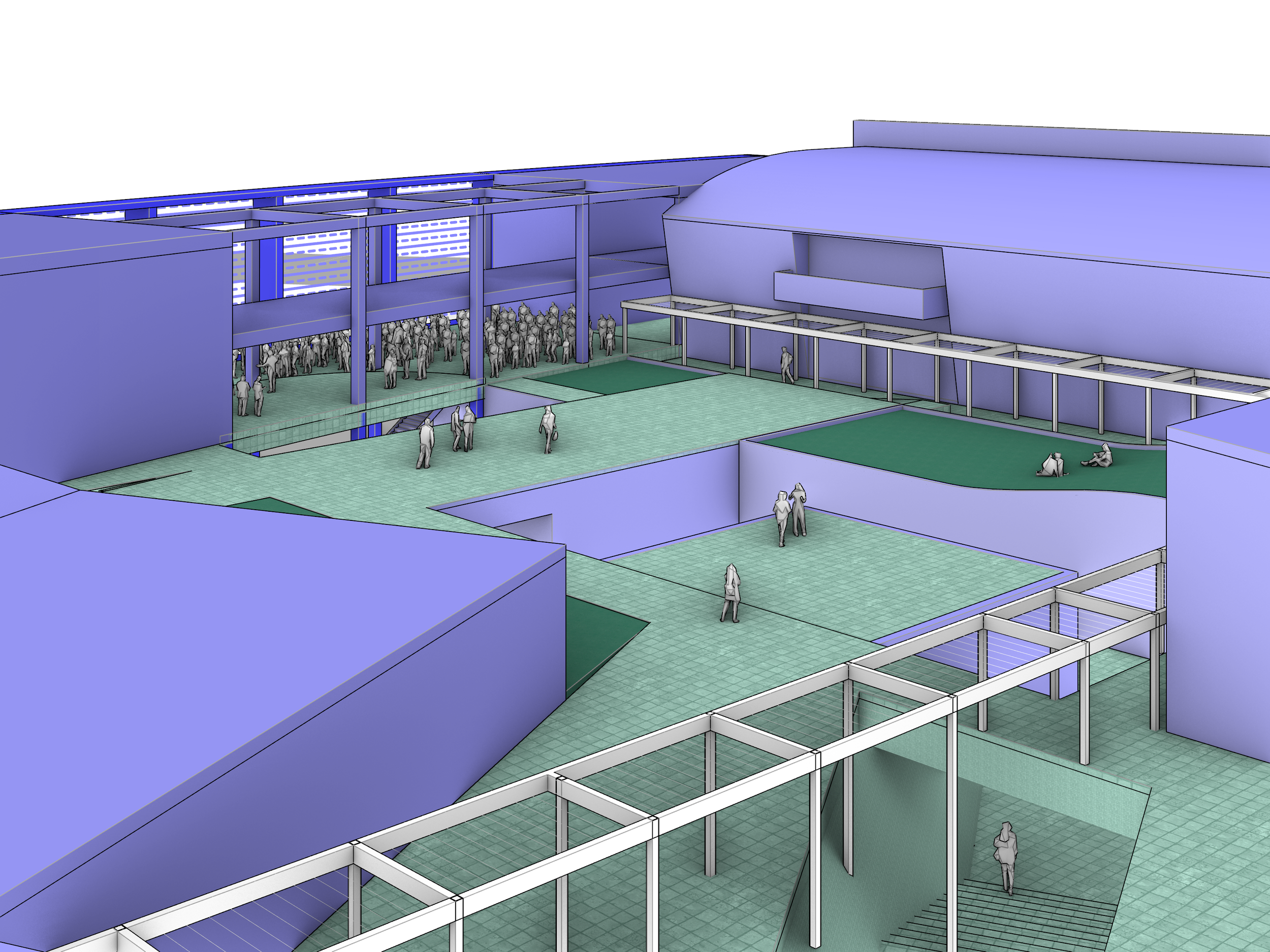
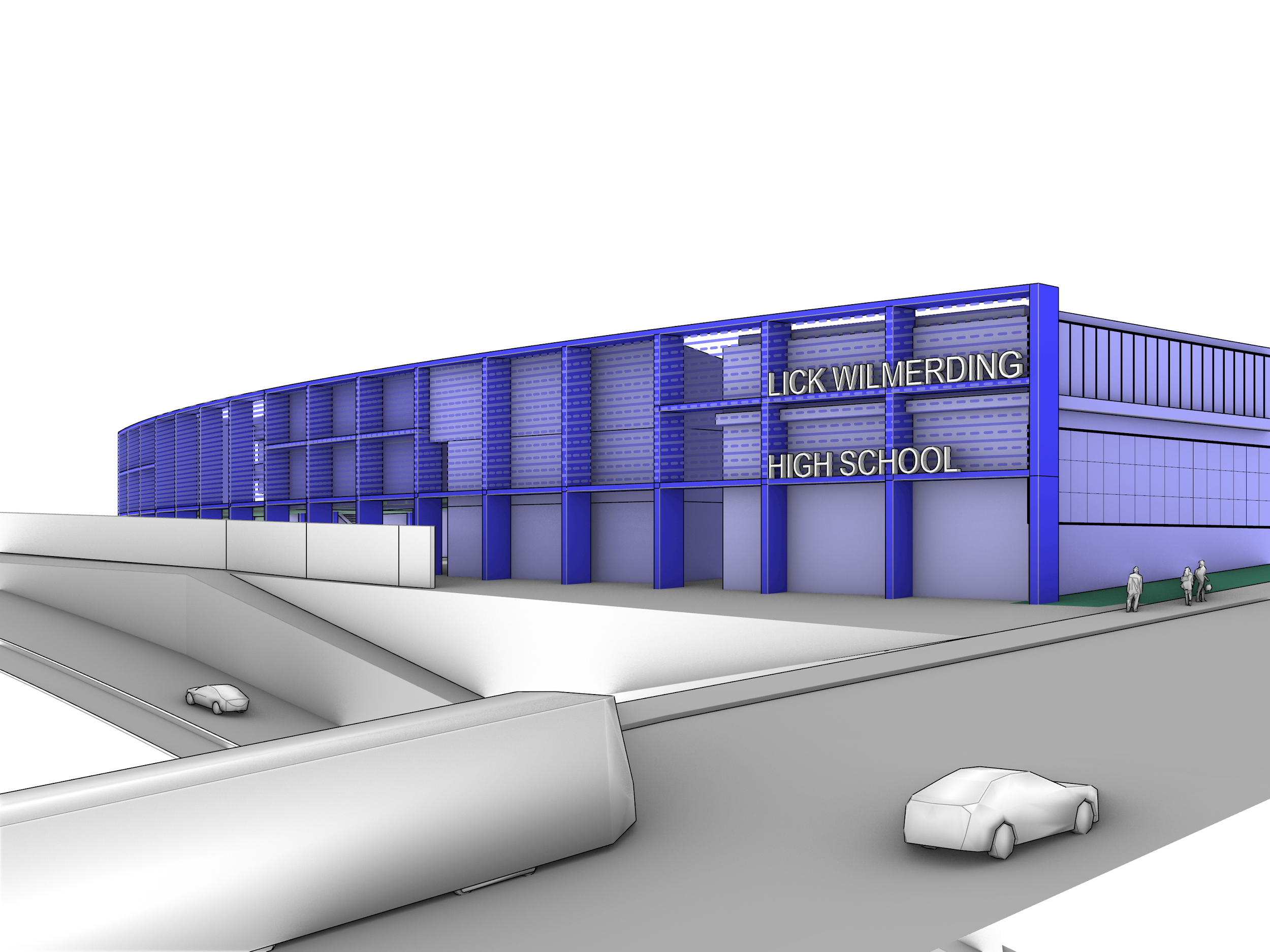
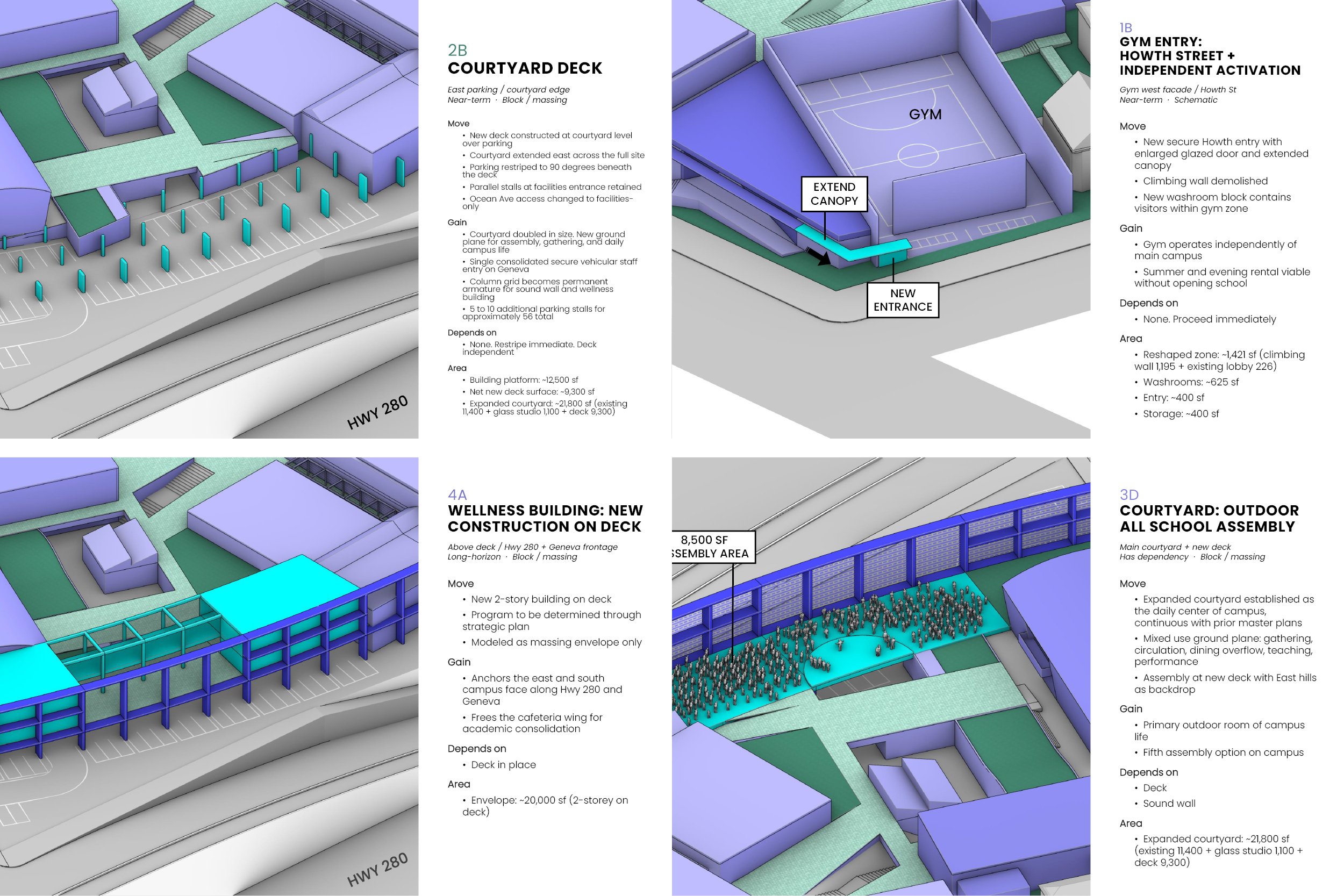
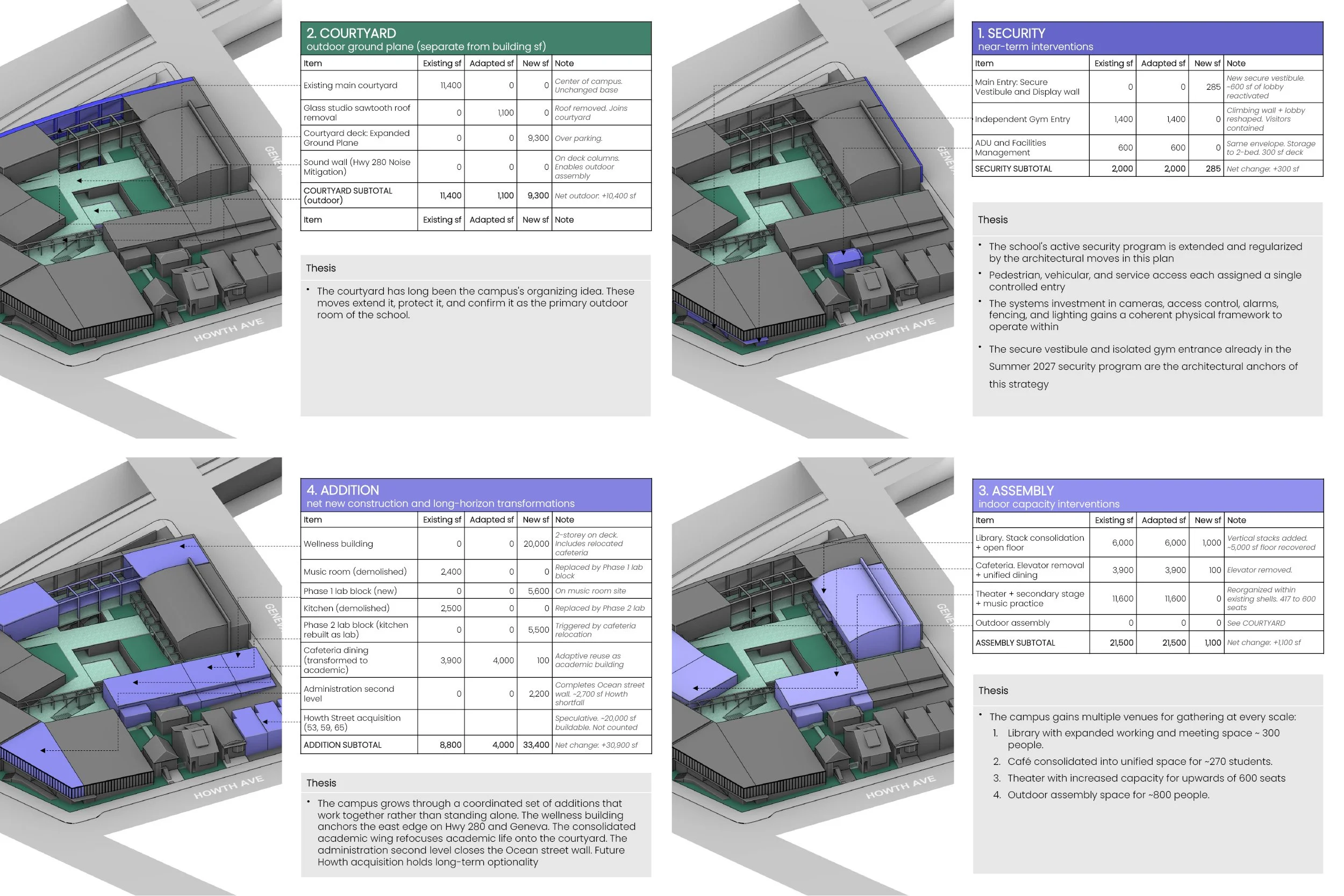
LWHS serves 550 students on 3.18 urban acres in San Francisco. The Opportunities Plan prepared by Stanley Saitowitz | Natoma Architects achieves master planning goals through strategic, surgical interventions rather than wholesale rebuilding.
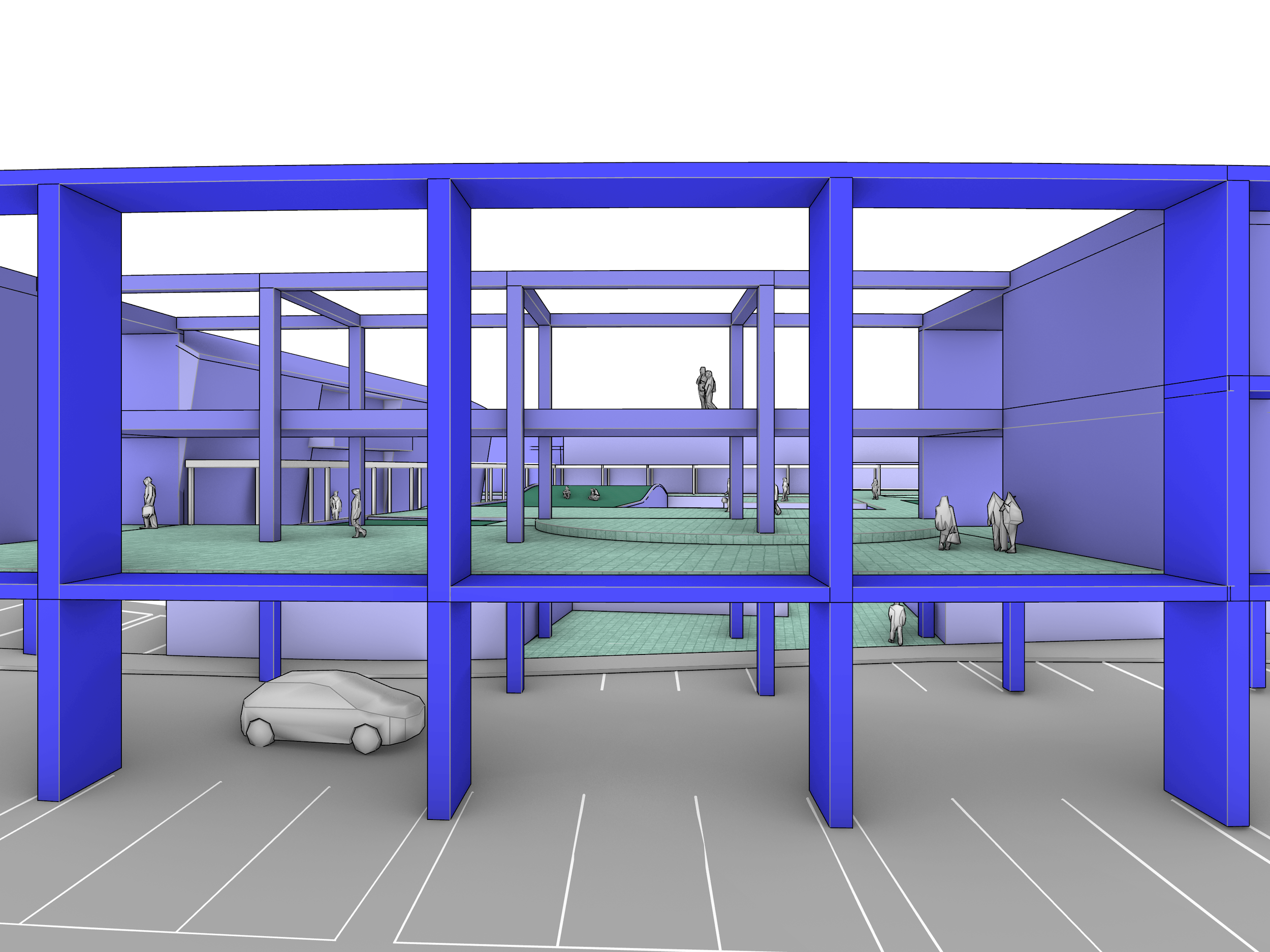
Courtyard Expansion: Long considered the soul of the campus, the courtyard is nearly doubled to 21,800 square feet without constructing new buildings. This is achieved by removing a glass studio roof (+1,100 sq ft) and building a deck over the existing parking lot (+9,300 sq ft).
Library Reconfiguration: By consolidating book stacks vertically, 5,000 square feet of the existing footprint is reclaimed. This space is repurposed for collaborative work and gathering, oriented directly toward the newly expanded courtyard.
Strategic Construction: New builds are limited to genuine needs and sequenced after these surgical moves, resulting in a narrower, more defensible capital ask.
Cohesion & Outcomes: A unified deck column grid visually and structurally ties the campus together, acting as an armature for future growth. Ultimately, these targeted moves amplify the student experience by centering collaborative learning around a unified, expansive outdoor core.




oxbow school
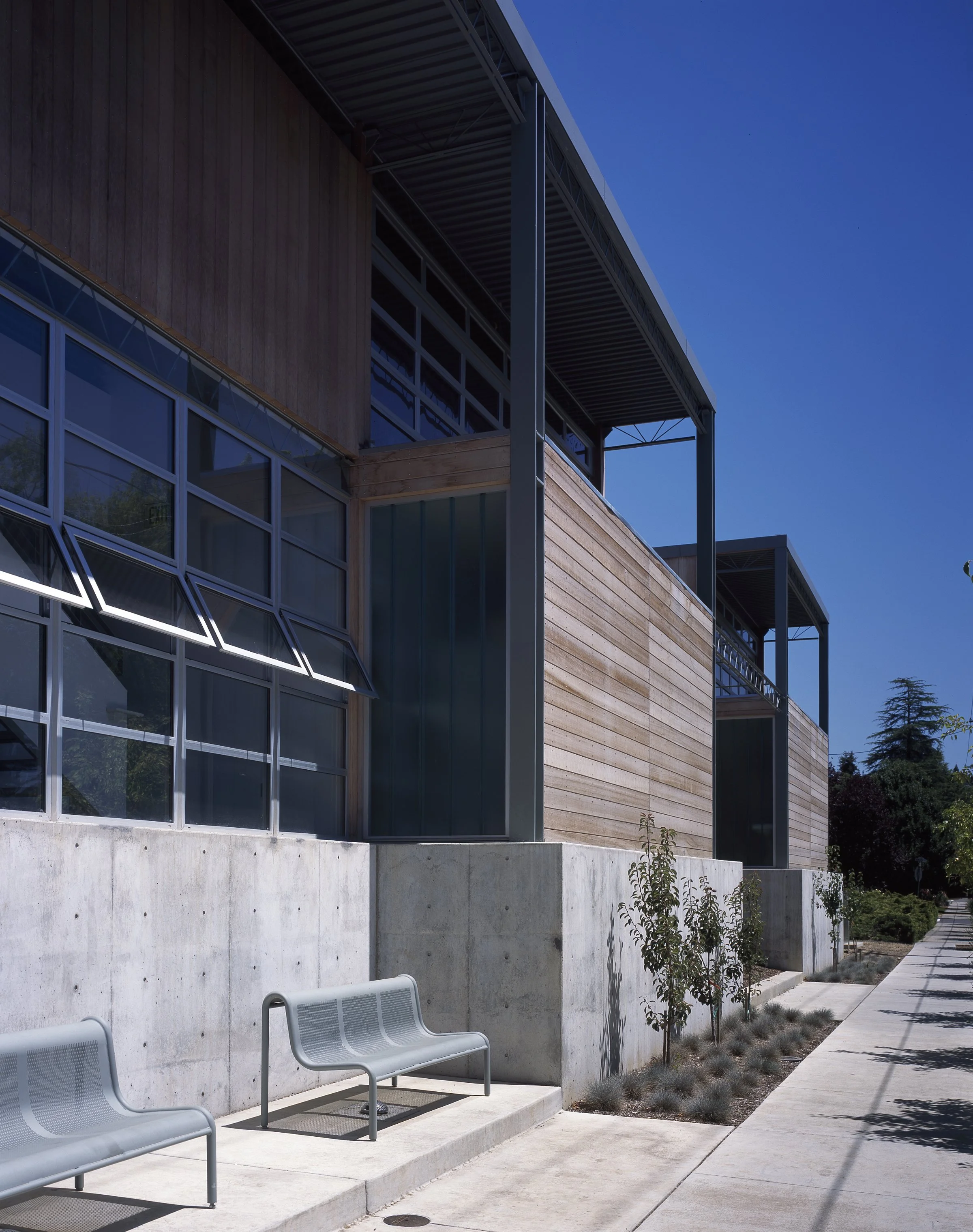
Founded by Ann Hatch and Robert Mondavi, the Oxbow School offers 60 high school juniors a one-semester visual arts program. Stanley Saitowitz | Natoma Architects designed the 15-building campus between the Napa River and Third Street, carefully balancing strategic ambition with site reality.
Adaptive Reuse: The design utilized existing structures to free up capital for new construction. A Victorian house became the administration building and library, existing homes housed faculty, and an apartment building was minimally altered into student dormitories.
Strategic New Construction: New additions included a dining hall, two faculty houses, and six art studios designed as standardized sheds. Inspired by local agricultural architecture, these studios feature high ceilings, channel glass, and roll-up doors for optimal light and air—effortlessly absorbing later additions like digital arts.
Outdoor Rooms & Cohesion: Capitalizing on Napa’s mild climate, courtyards between studios serve as secondary workspaces, doubling instructional capacity at no extra cost. Cohesion is maintained through the shed typology: articulated in 25-foot widths to echo residential Third Street, with expansive glass facing the river.
Outcomes: The resulting campus remains highly flexible, accommodating rotating student cohorts every four months while adapting seamlessly to evolving artistic programs and maintaining its original strategic alignment.


golden bridges school
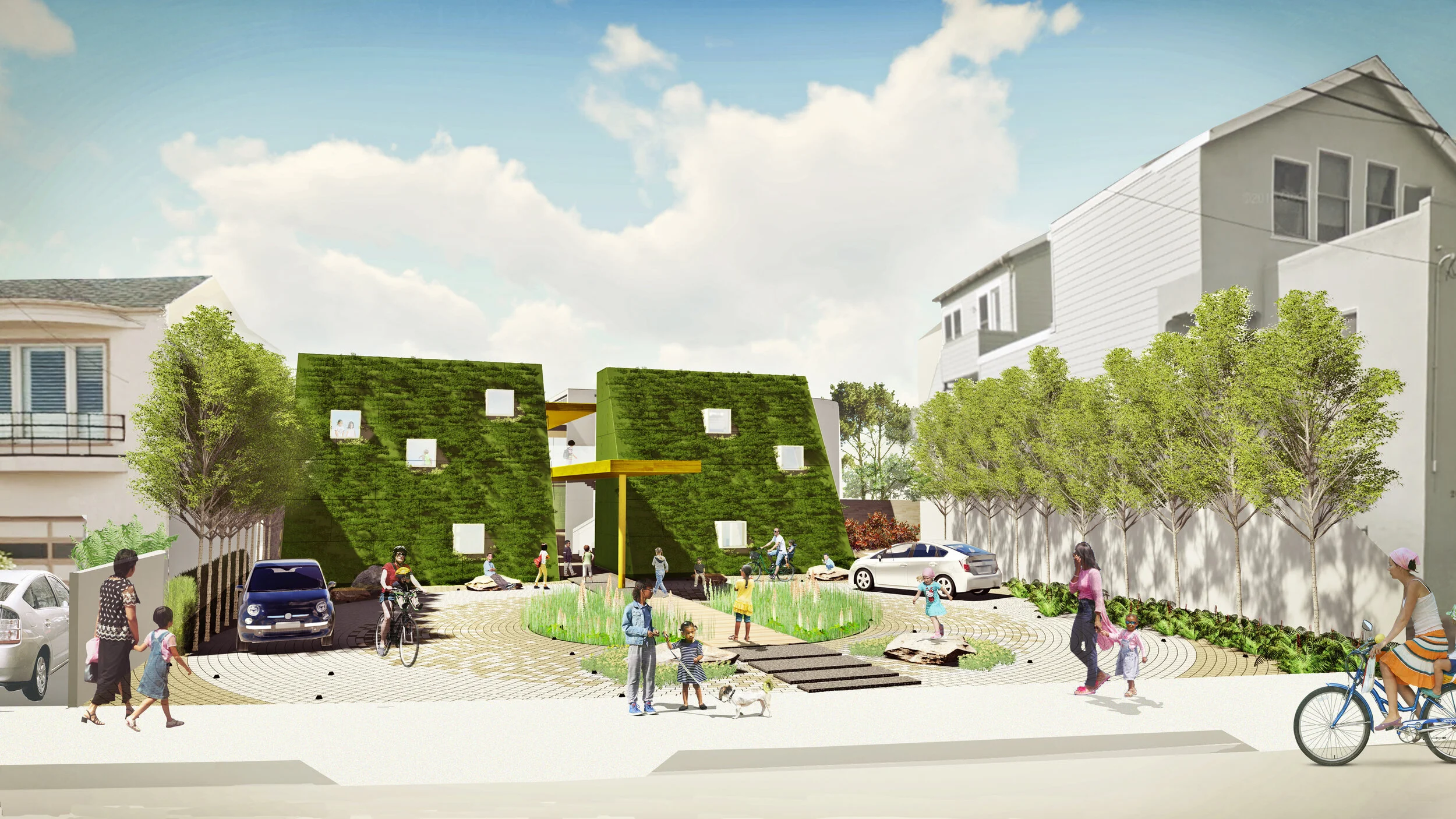
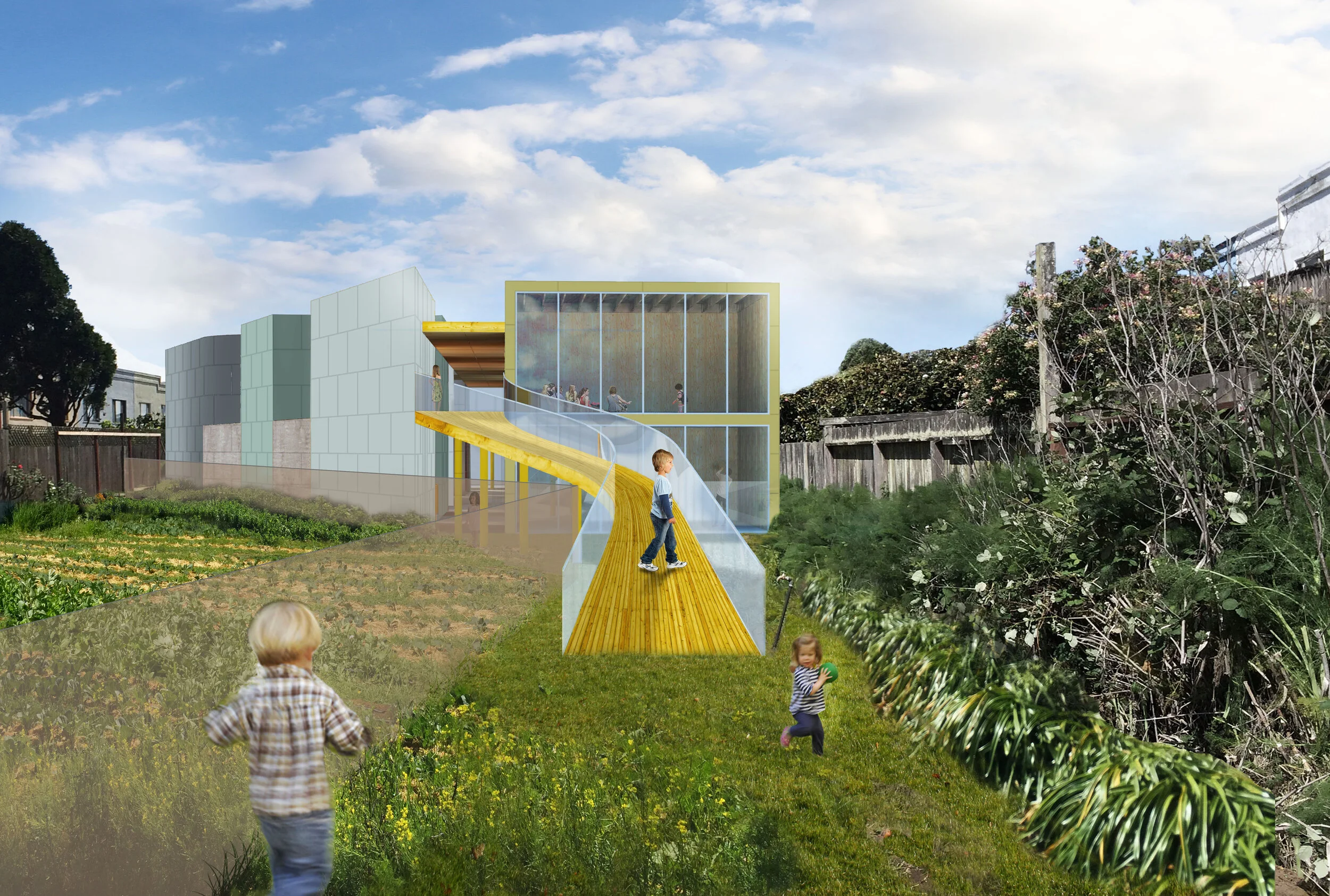
Golden Bridges School, a San Francisco Waldorf PreK-8 program, purchased a challenging, hourglass-shaped parcel tucked behind residential yards. They engaged Stanley Saitowitz | Natoma Architects to determine if this awkward footprint could successfully embody their educational vision.
Site & Strategy: Through 3D massing studies, the architects developed a campus layout that thrives on its constraints. The entrance sets back to form a public plaza backed by a sloped "green hill" facade. Inside, a central walkway—the "golden bridge"—runs the depth of the site. This bridge organizes the campus, connecting two-level common spaces with individual classrooms, each paired with its own dedicated courtyard.
Landscape as Curriculum: To support the Waldorf philosophy of experiential learning in nature, the rear of the site functions as an outdoor classroom. The landscape shifts from cultivated orchards to natural shrubbery, bringing the students' urban farming curriculum directly onto the campus.
Cohesion & Outcomes: The namesake bridge physically and philosophically unifies the school—linking academics, community, and landscape. Ultimately, the project demonstrates that an Opportunities Plan doesn't require an existing campus; it successfully married a blank, challenging site with the school’s core strategic identity.



Muthuini School
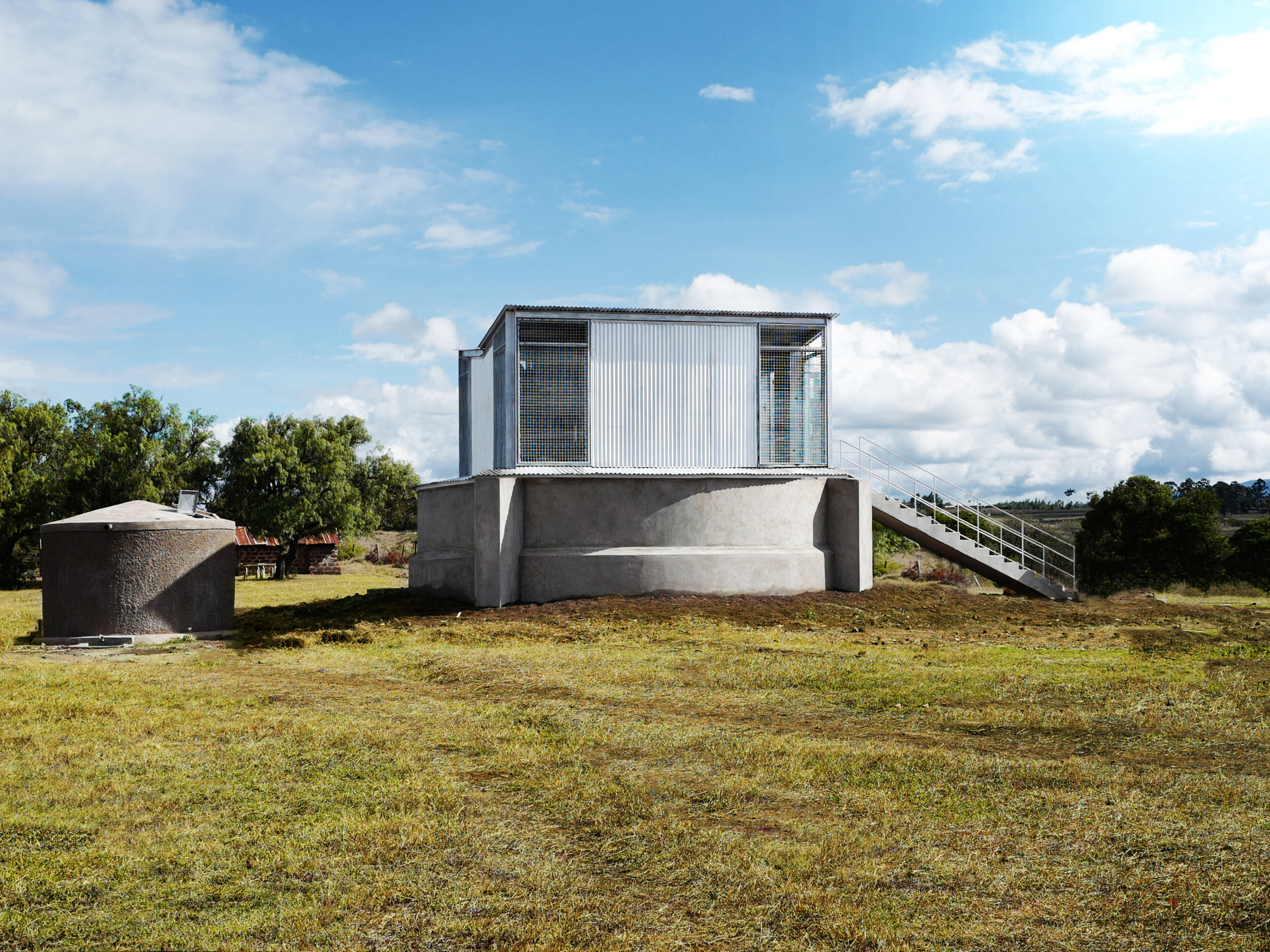
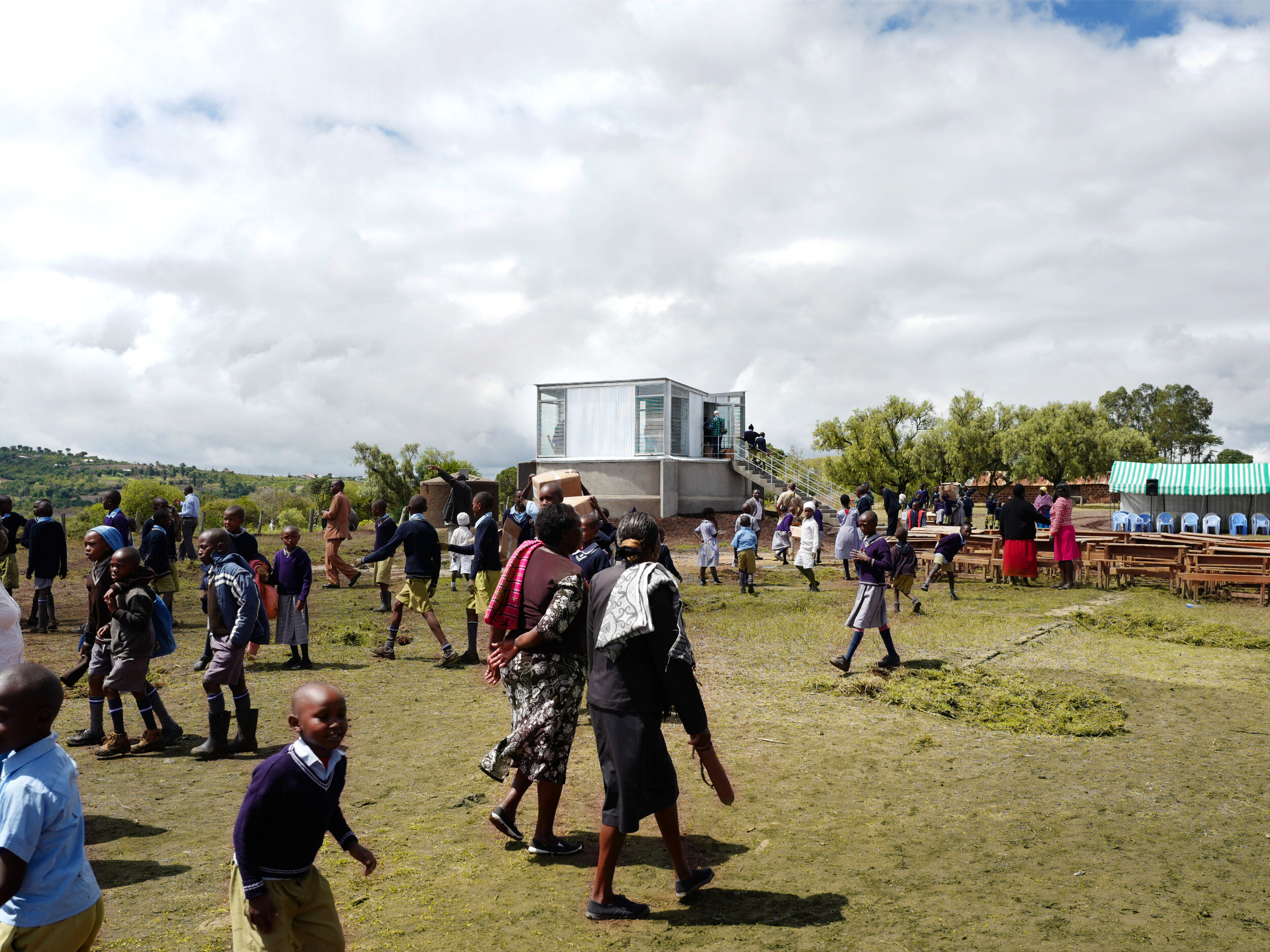
Set on a hilltop in northern Kenya, Muthuini School’s campus is a former dairy farm. Natoma identified a 70-year-old, abandoned water tank on the property as the ideal site for the school’s first library.
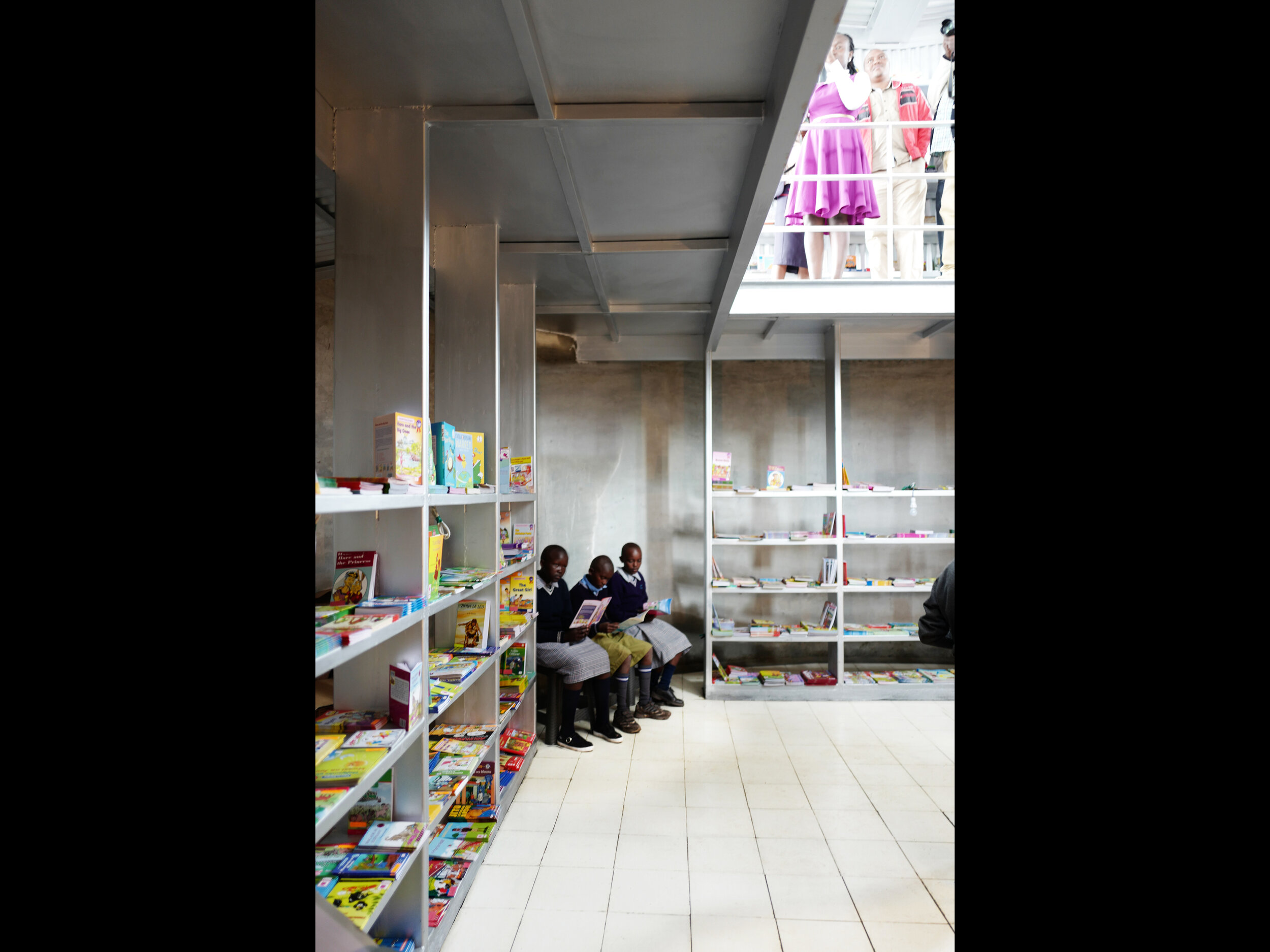
The Tank: While broken and overgrown, the tank's original masonry remained sound. Natoma seized this opportunity, inserting a new square reading volume into the existing circular structure. What once held water now holds books.
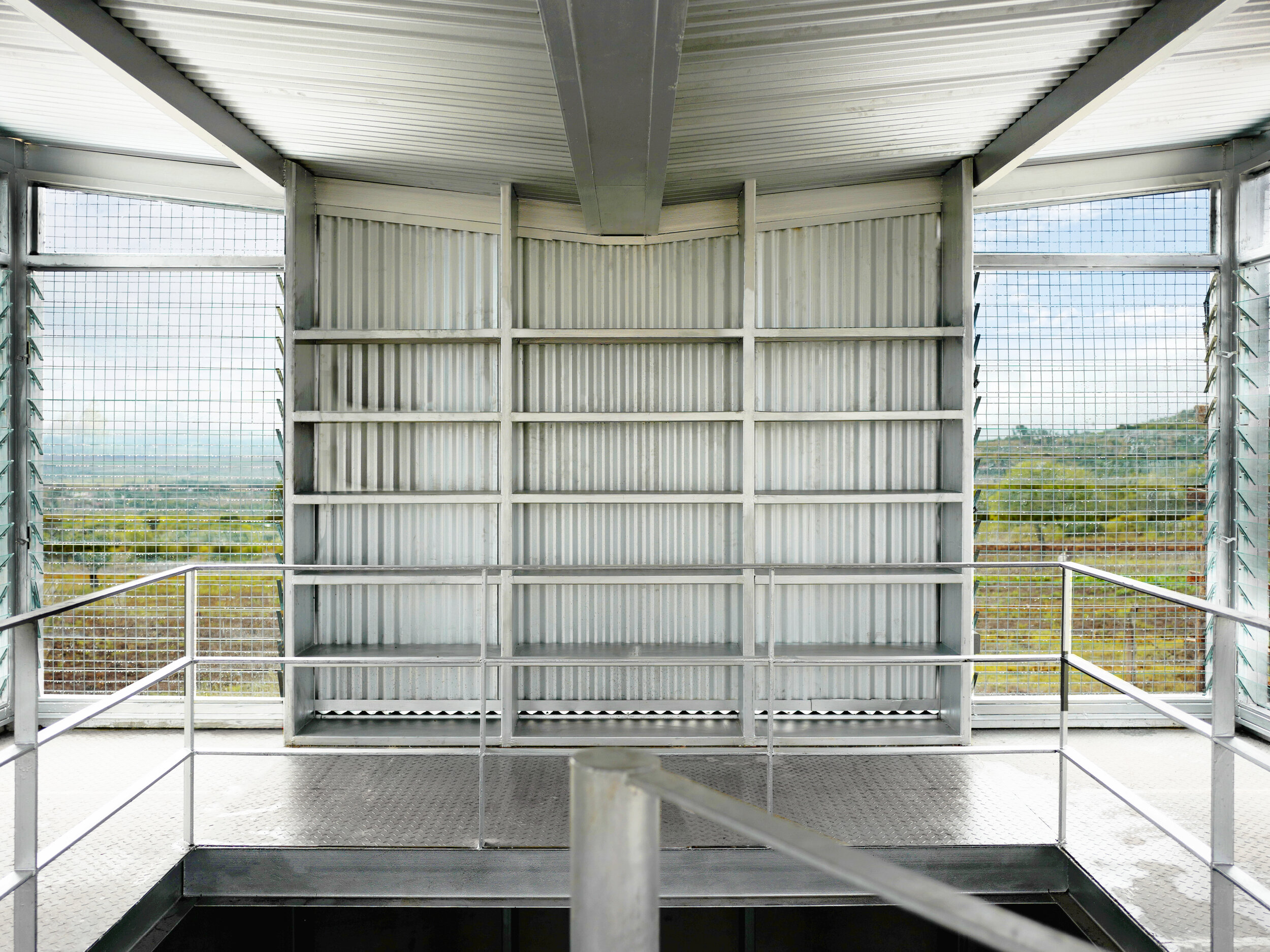
Books as Structure: The bookshelves themselves act as the structural frame. Four shelving walls rise from the tank floor to carry the roof, literally holding up the library. The space between the shelves and curved masonry houses reading carrels, while the center features a two-level reading room.
Strategic Construction: New architectural additions are intentionally lightweight steel and glass. A new pitched roof encloses the space and drains rainwater to a smaller cistern, allowing the structure to hold books while continuing to return water to the site.
Cohesion & Outcomes: The core design idea—a square emerging from a circle—reflects the evolution of traditional African architecture. By creatively repurposing the historic dairy farm water tank, the school gained a functional, cohesive library that teaches through both its history and spatial logic.
opportunity knocks…
If you're interested in working with us, complete the form with a few details about your project. We'll review your message and get back to you within 48 hours.