
Guanajuato
Guanajuato, Mexico
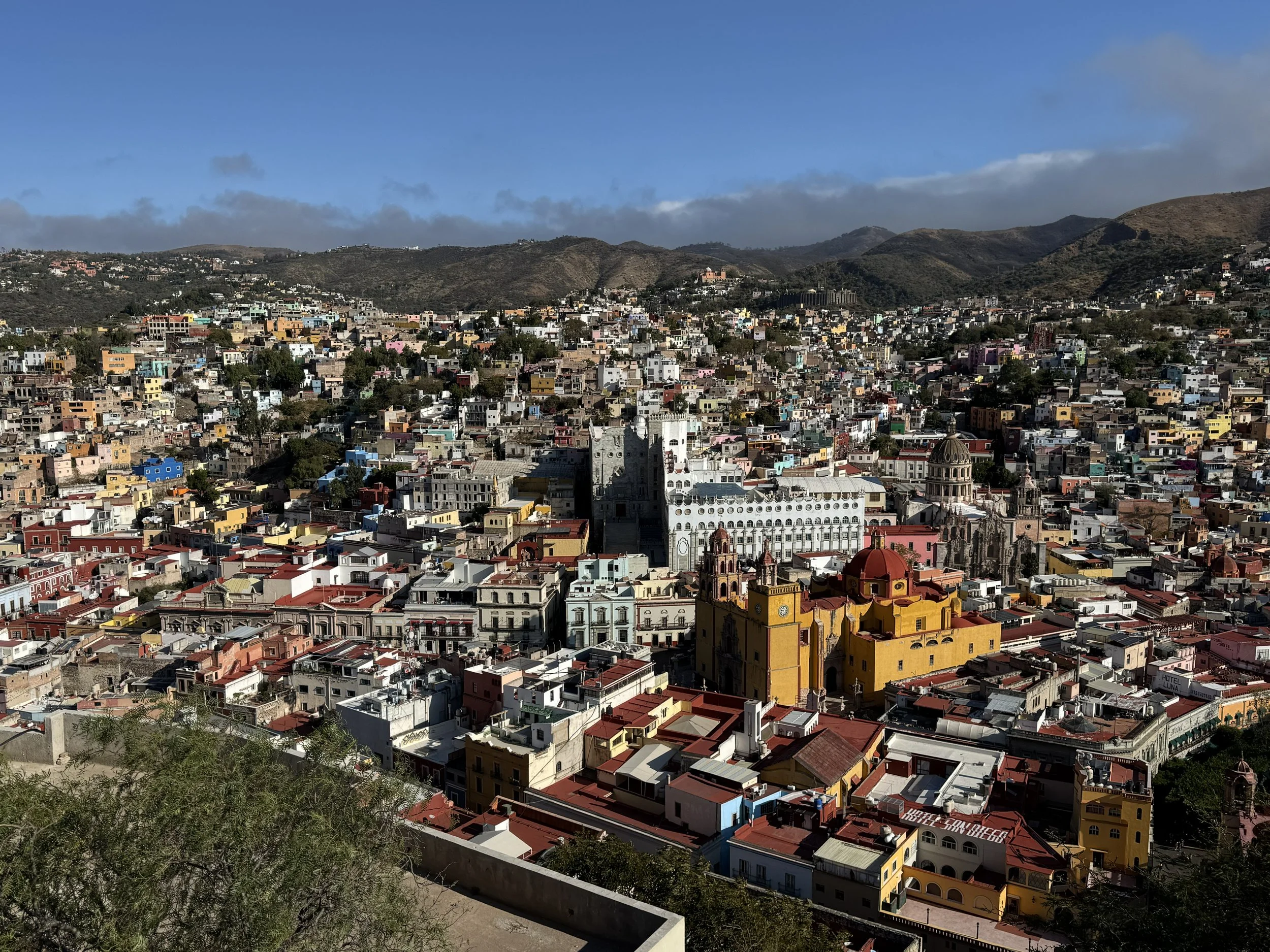
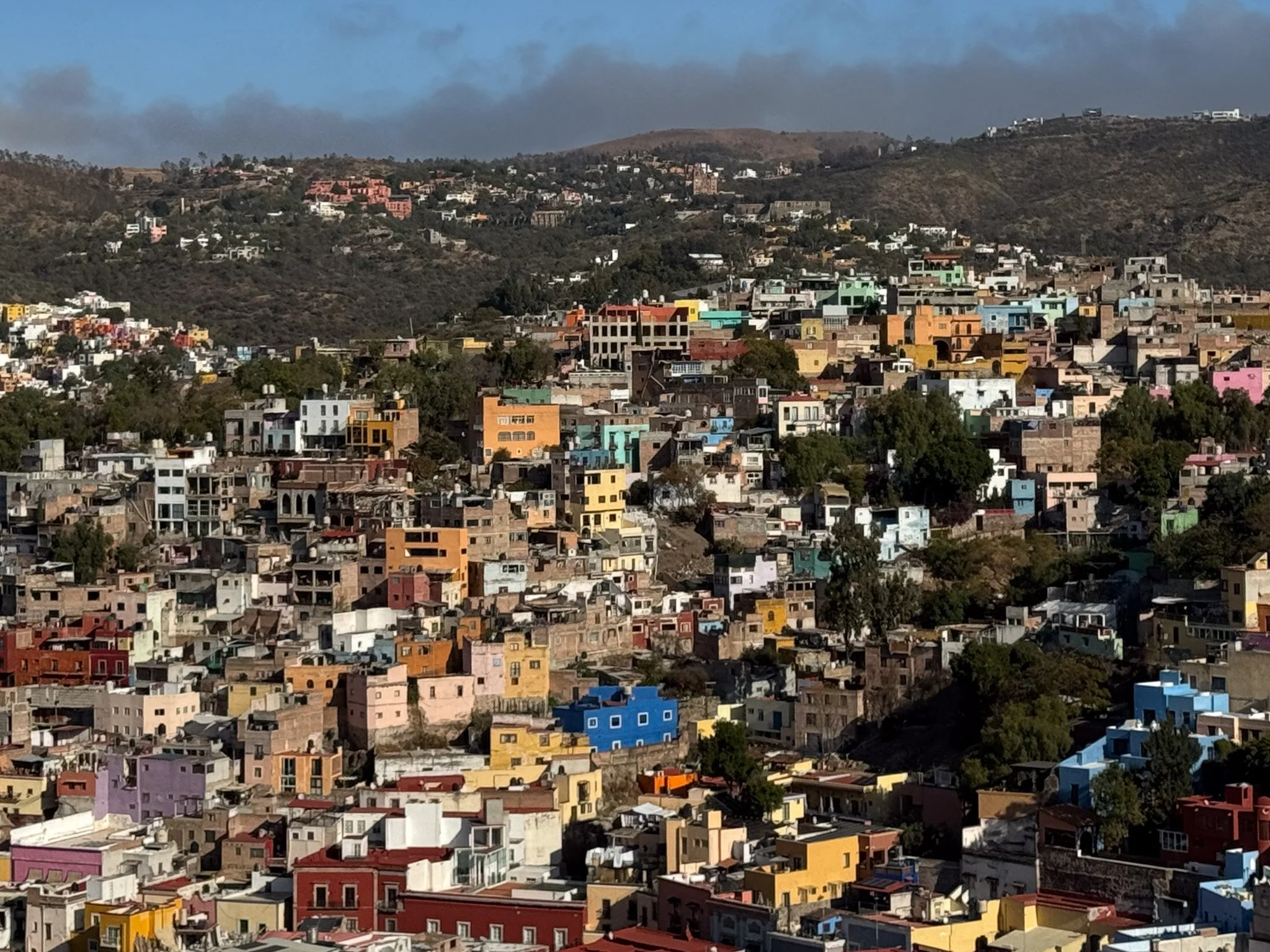
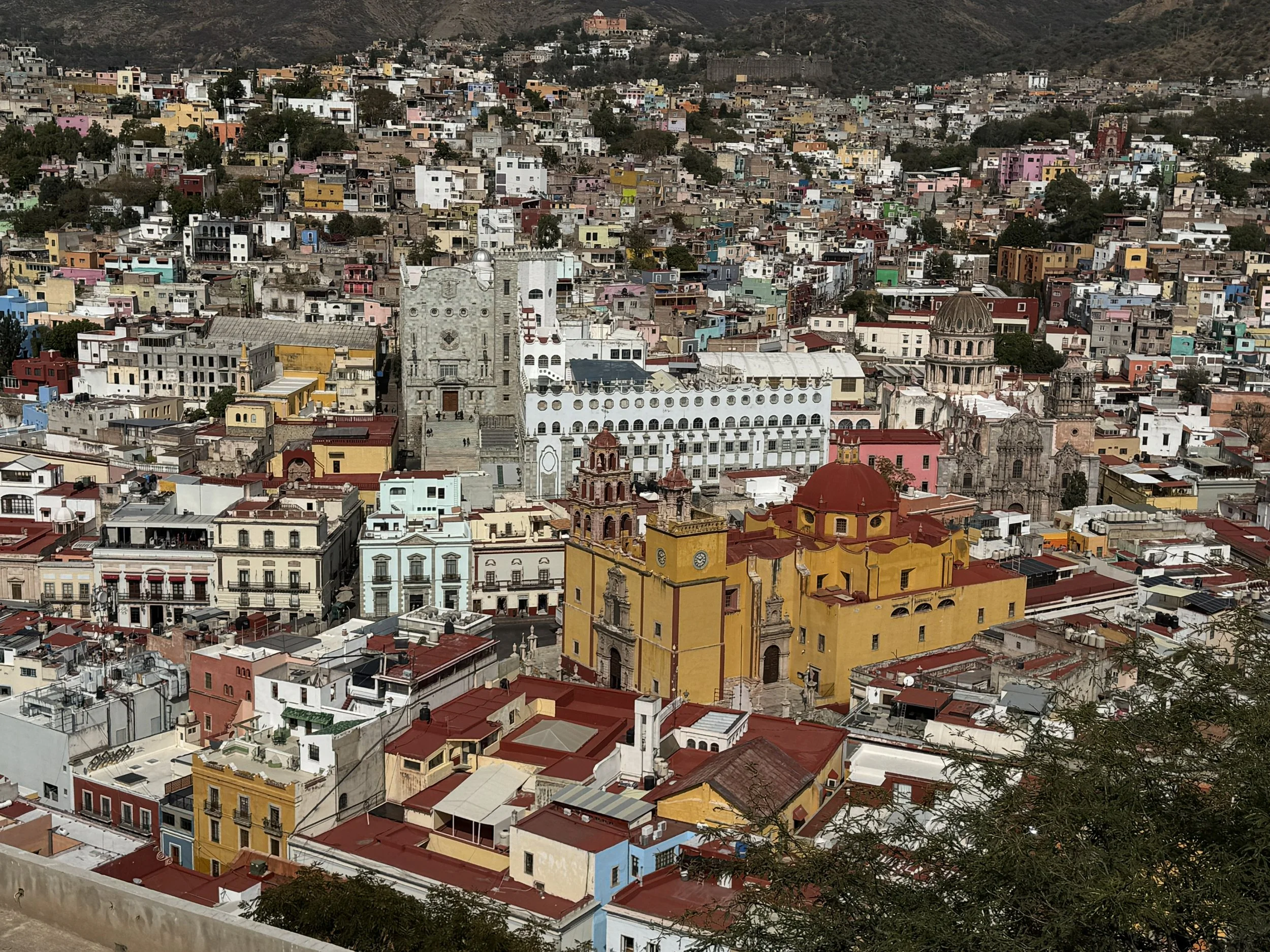
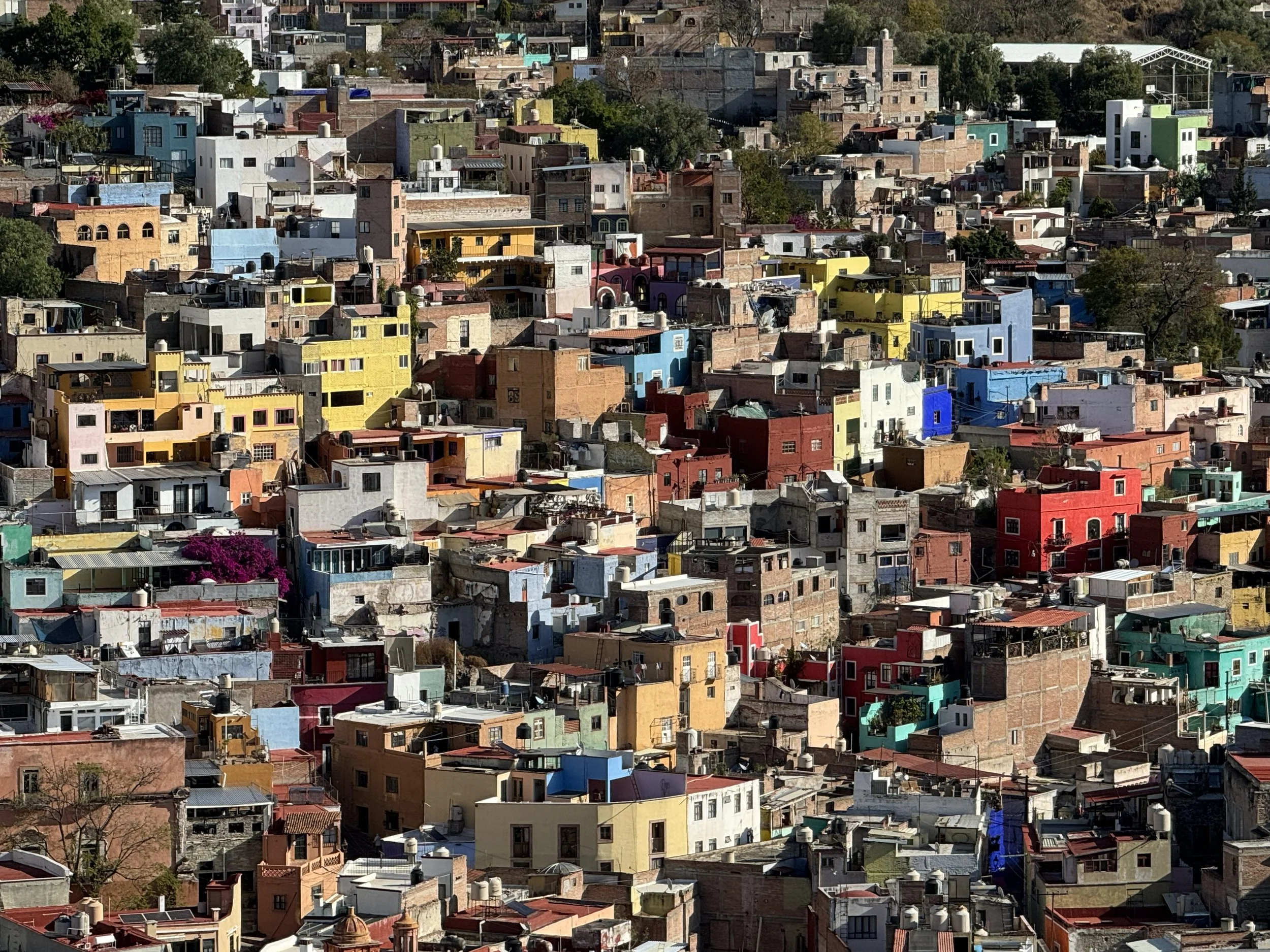
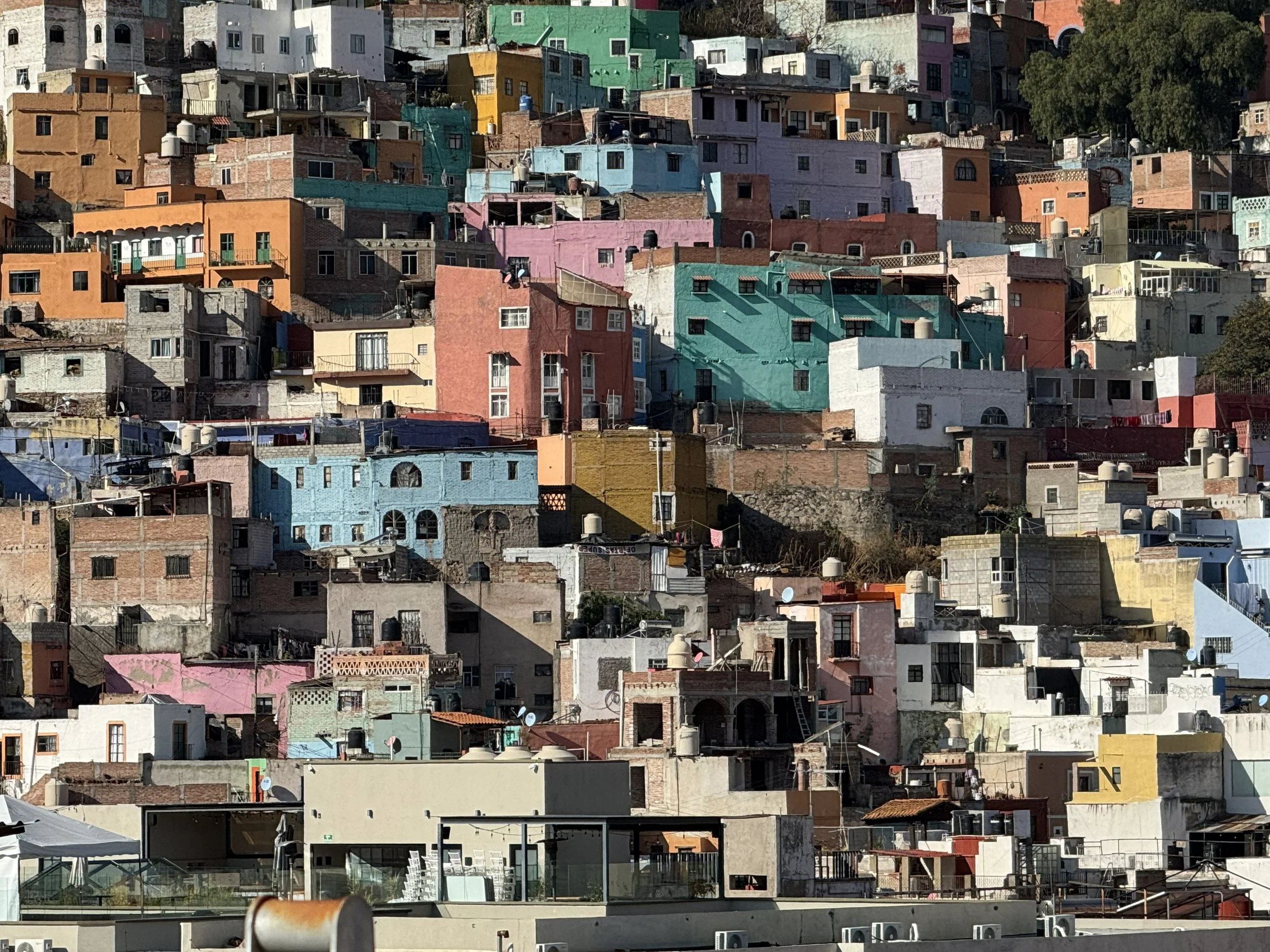
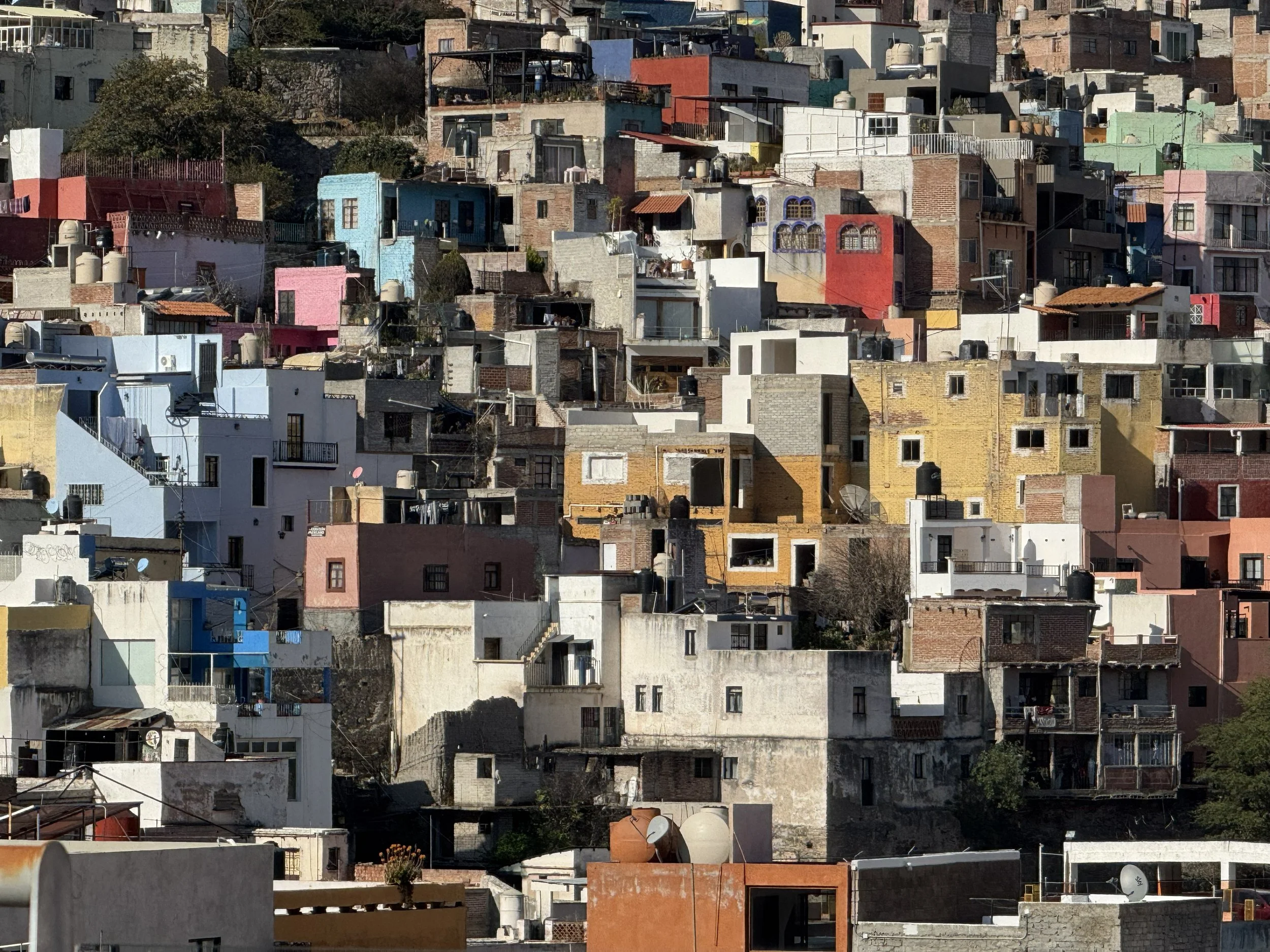
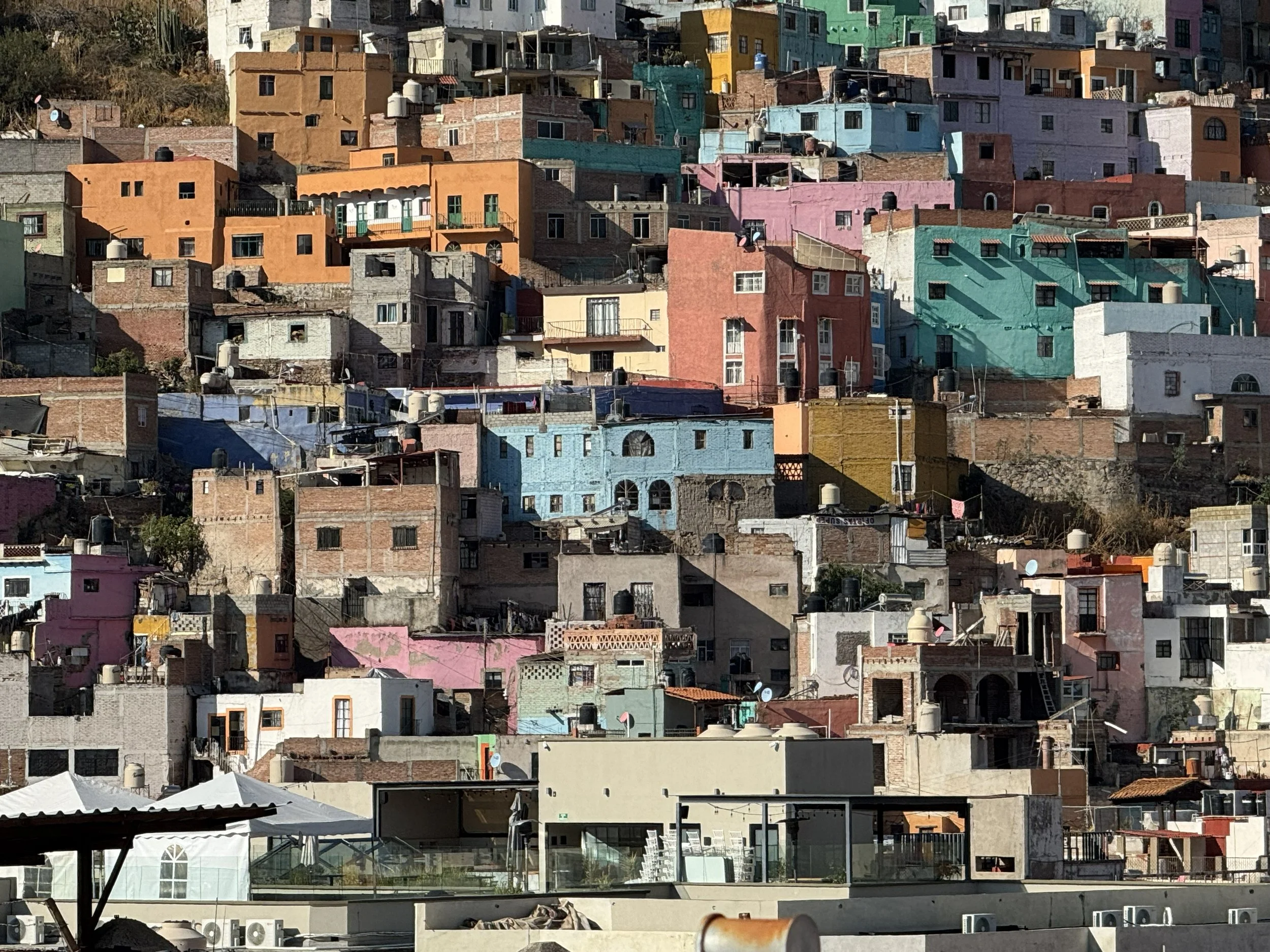
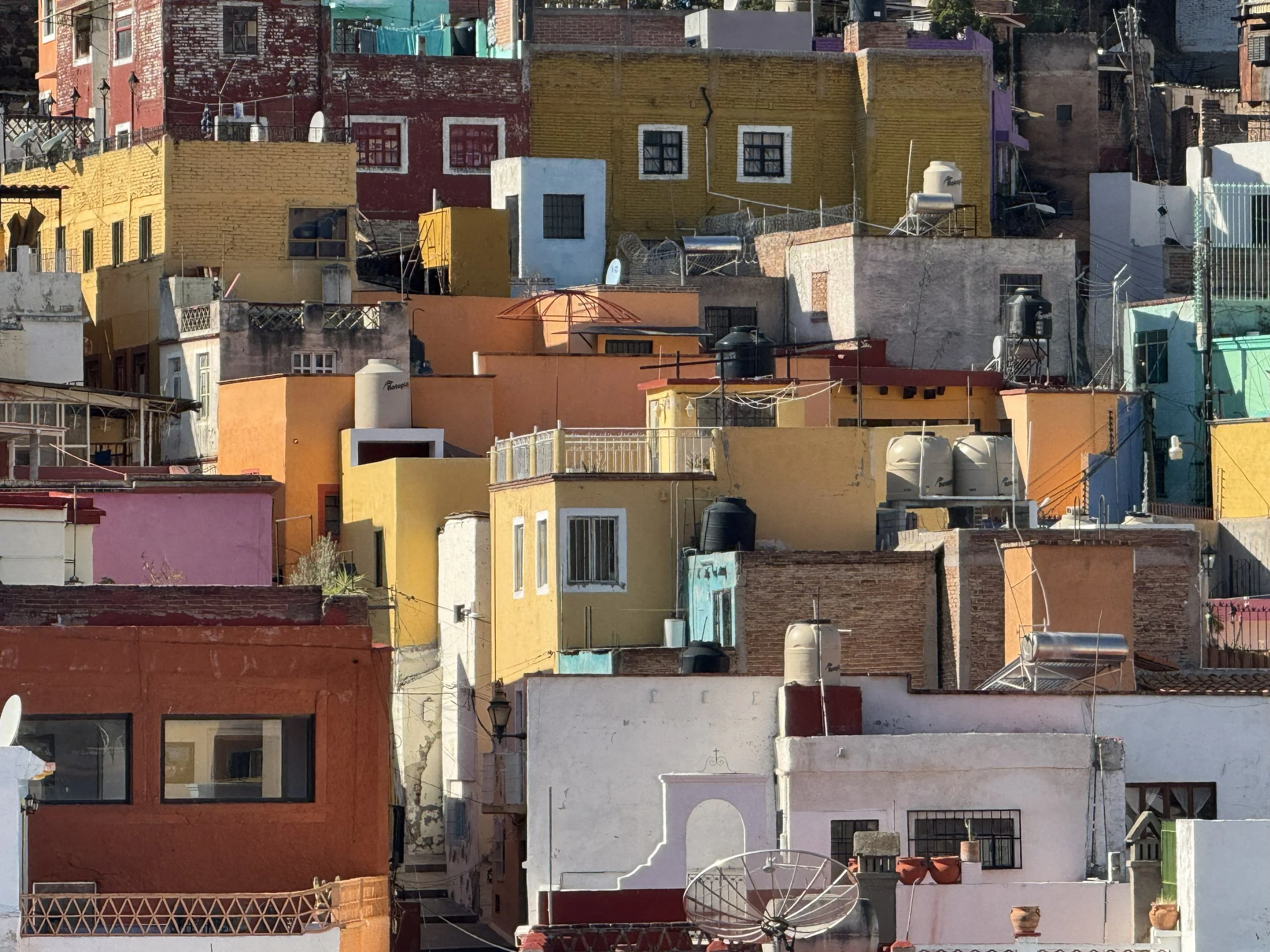
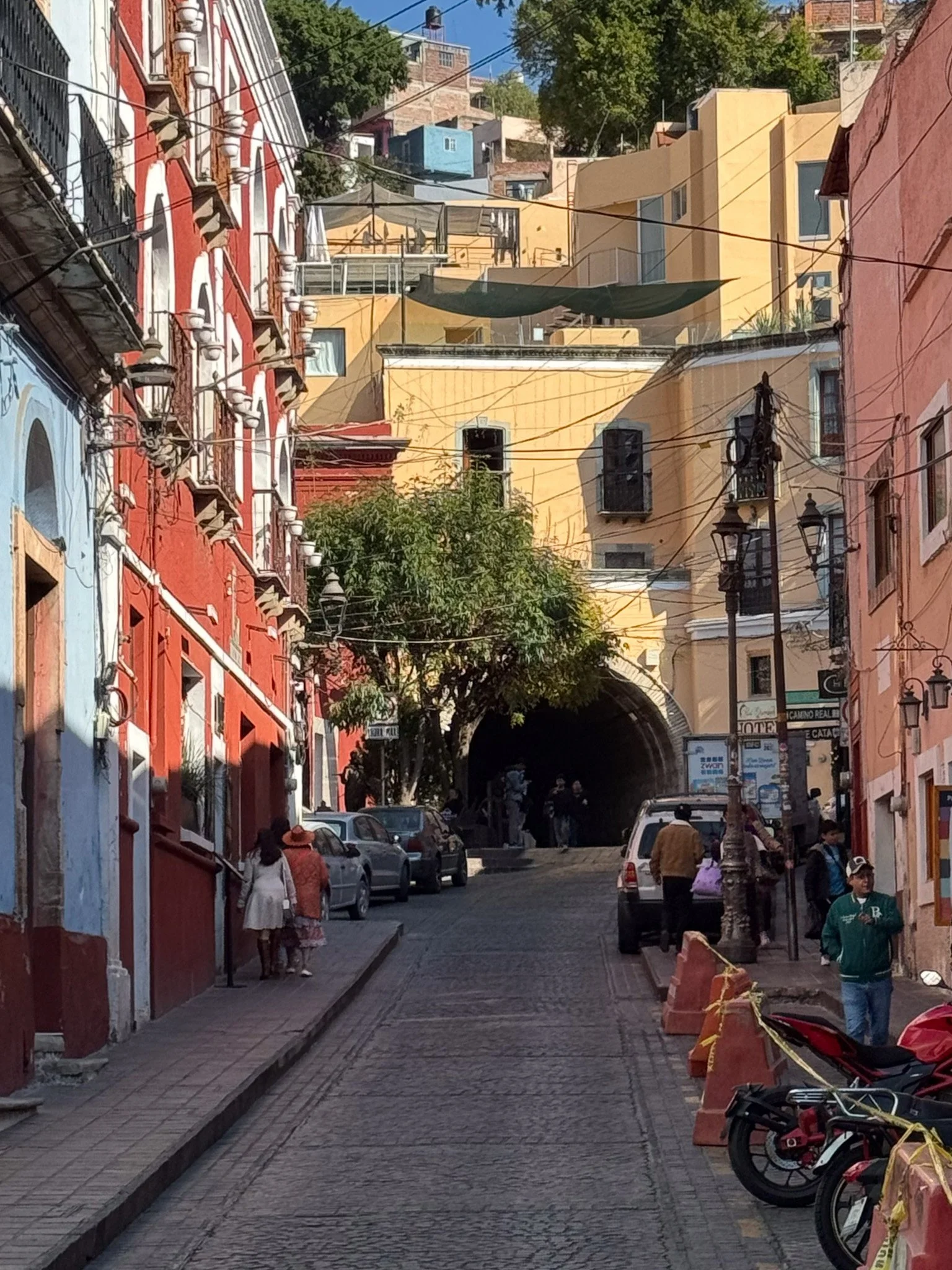
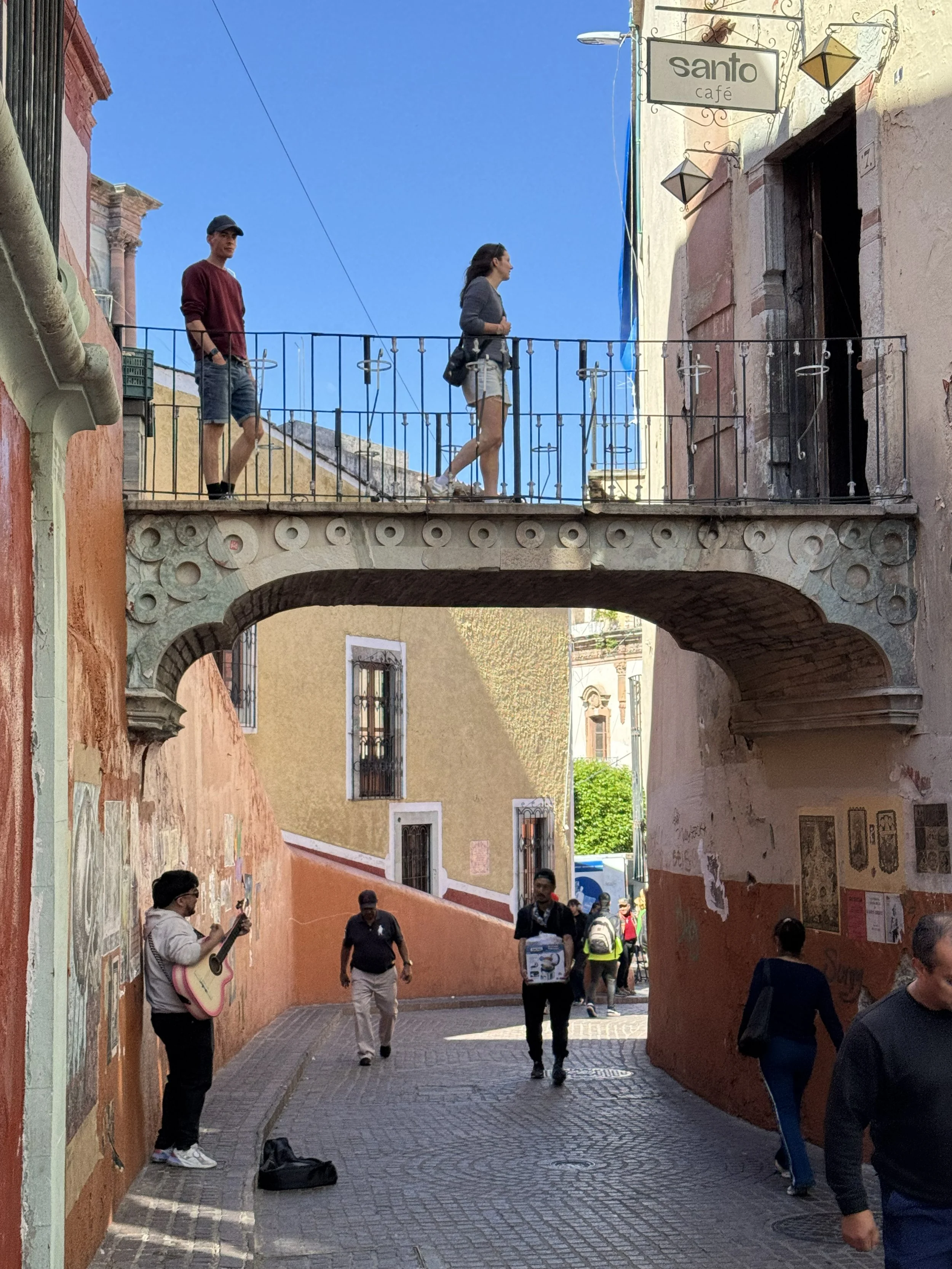
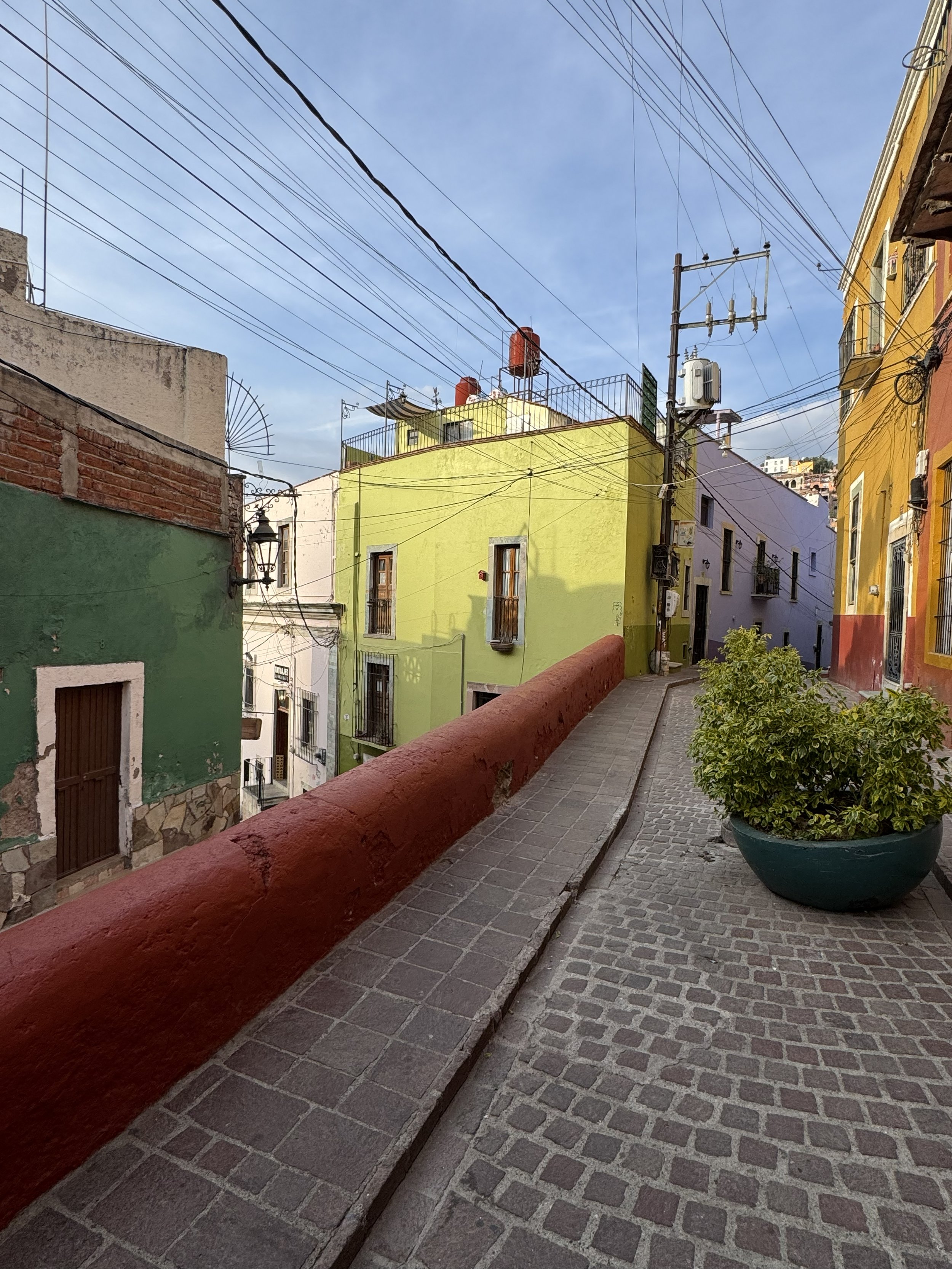
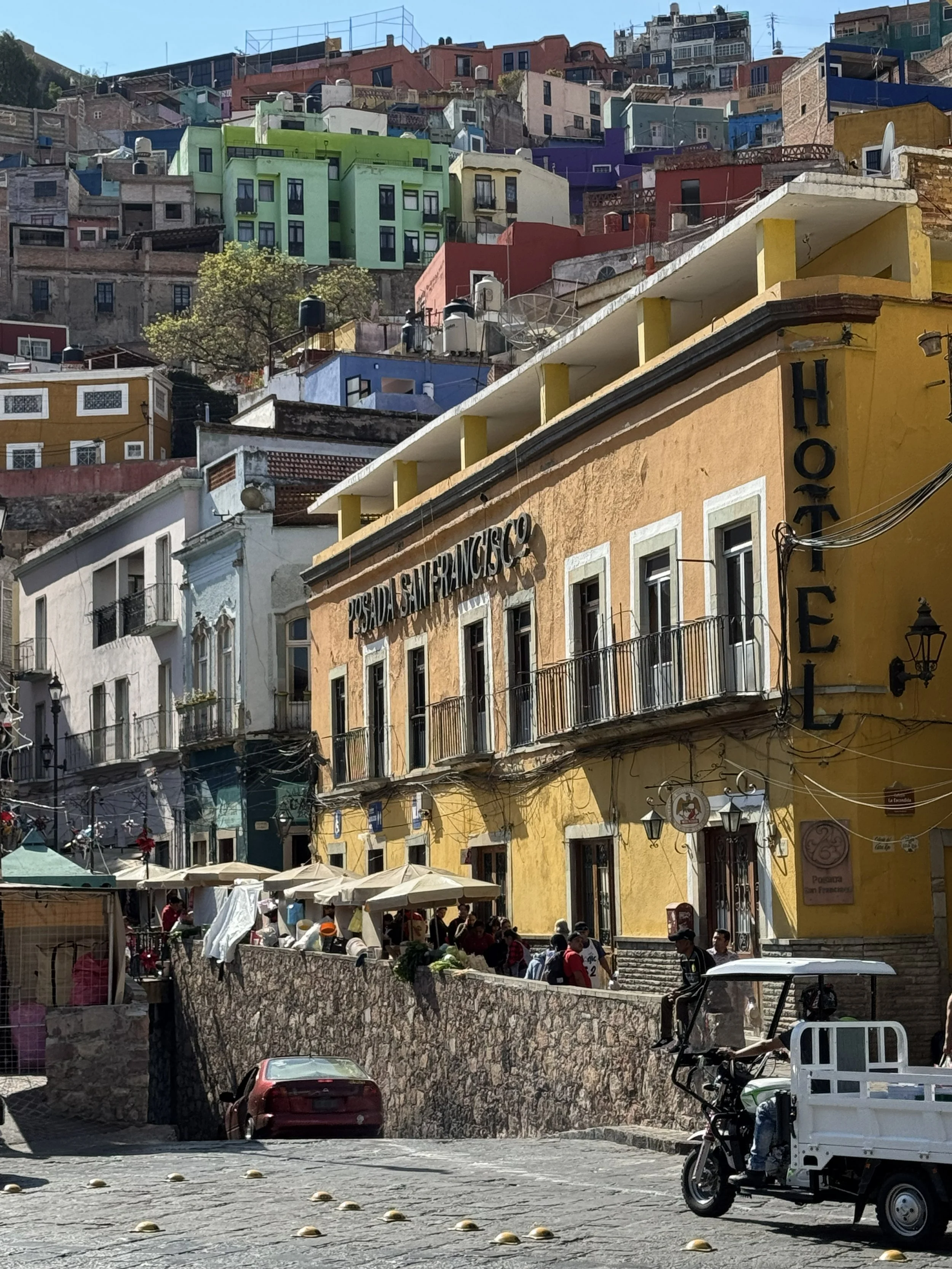
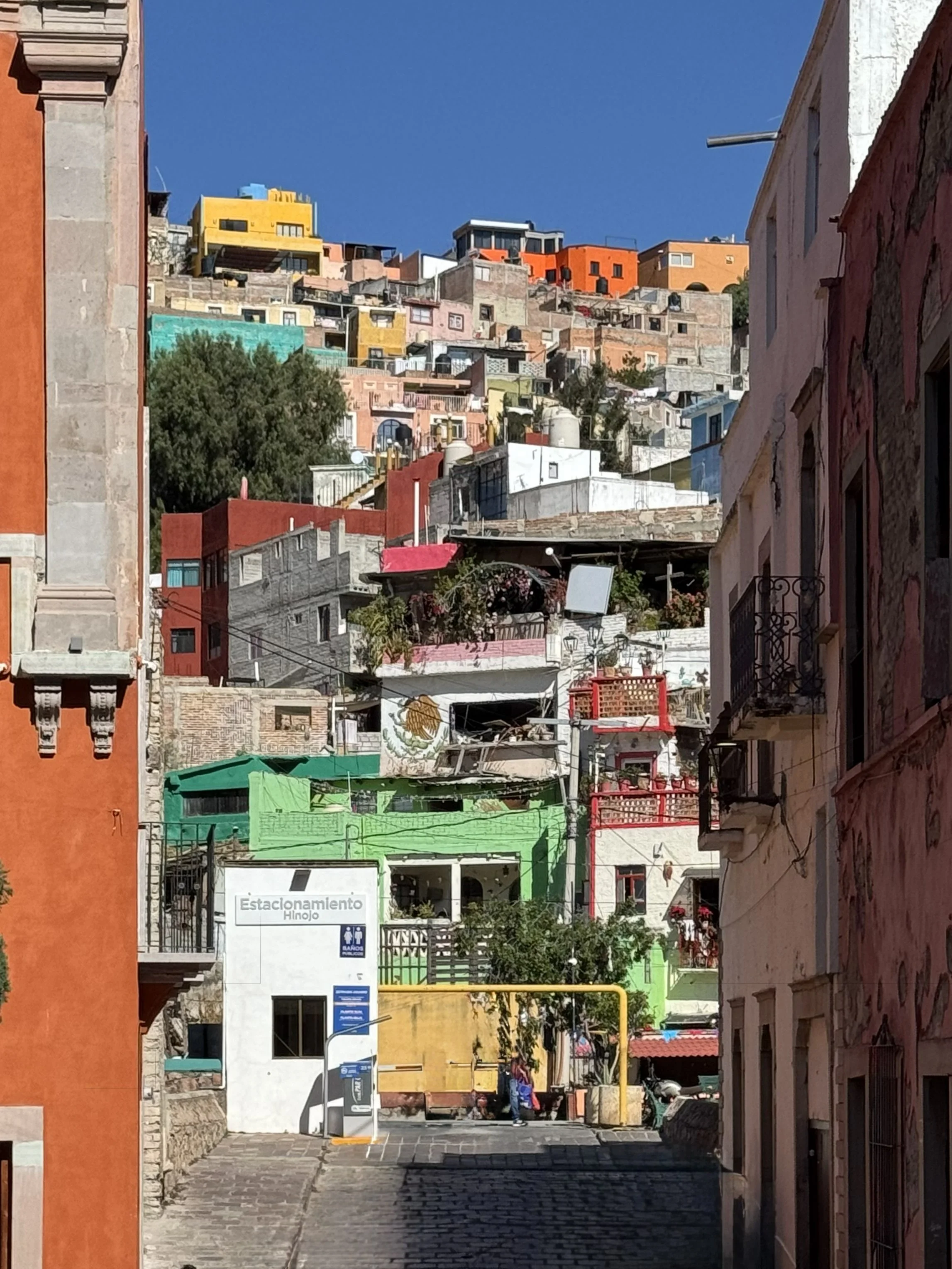
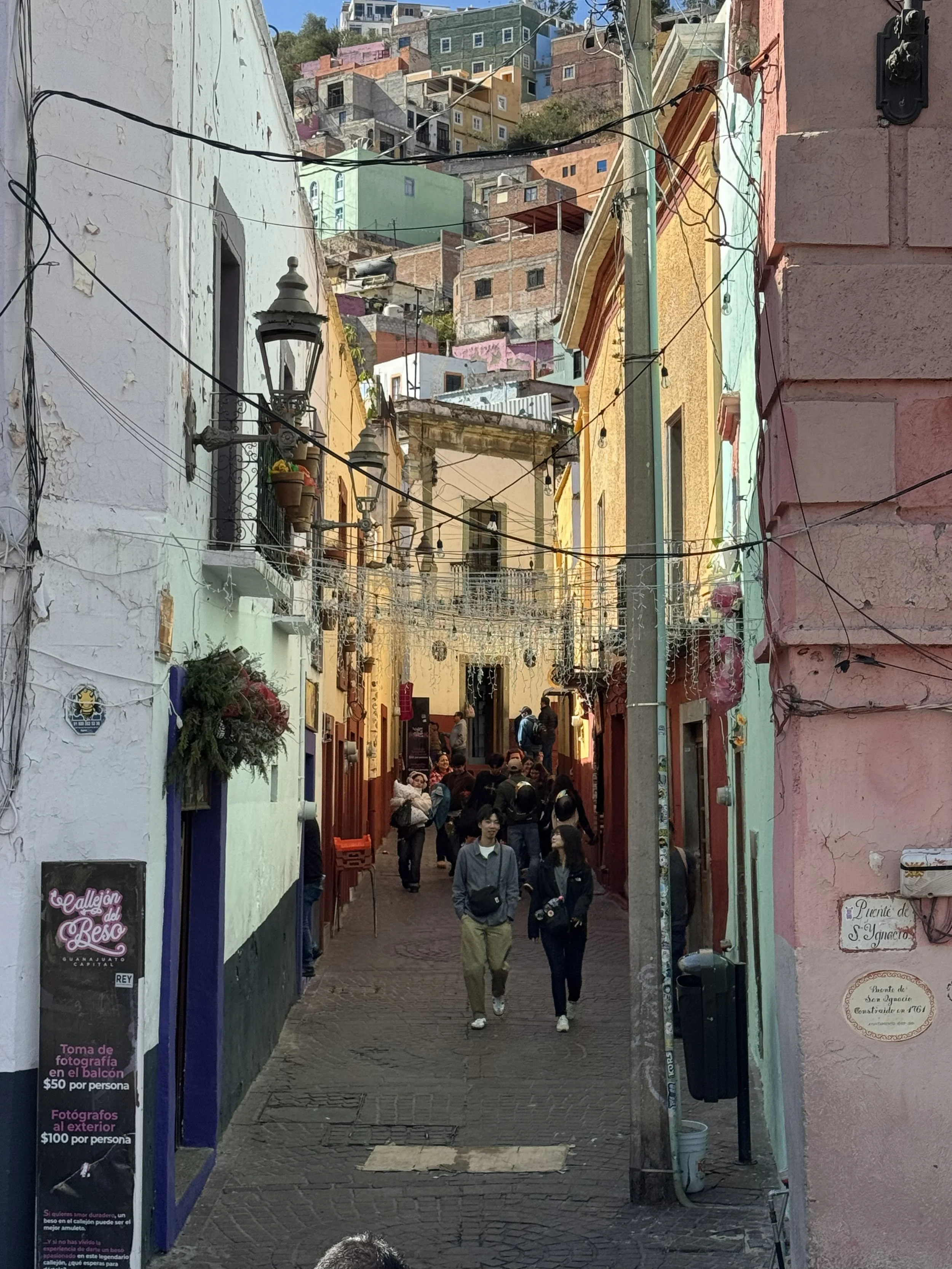
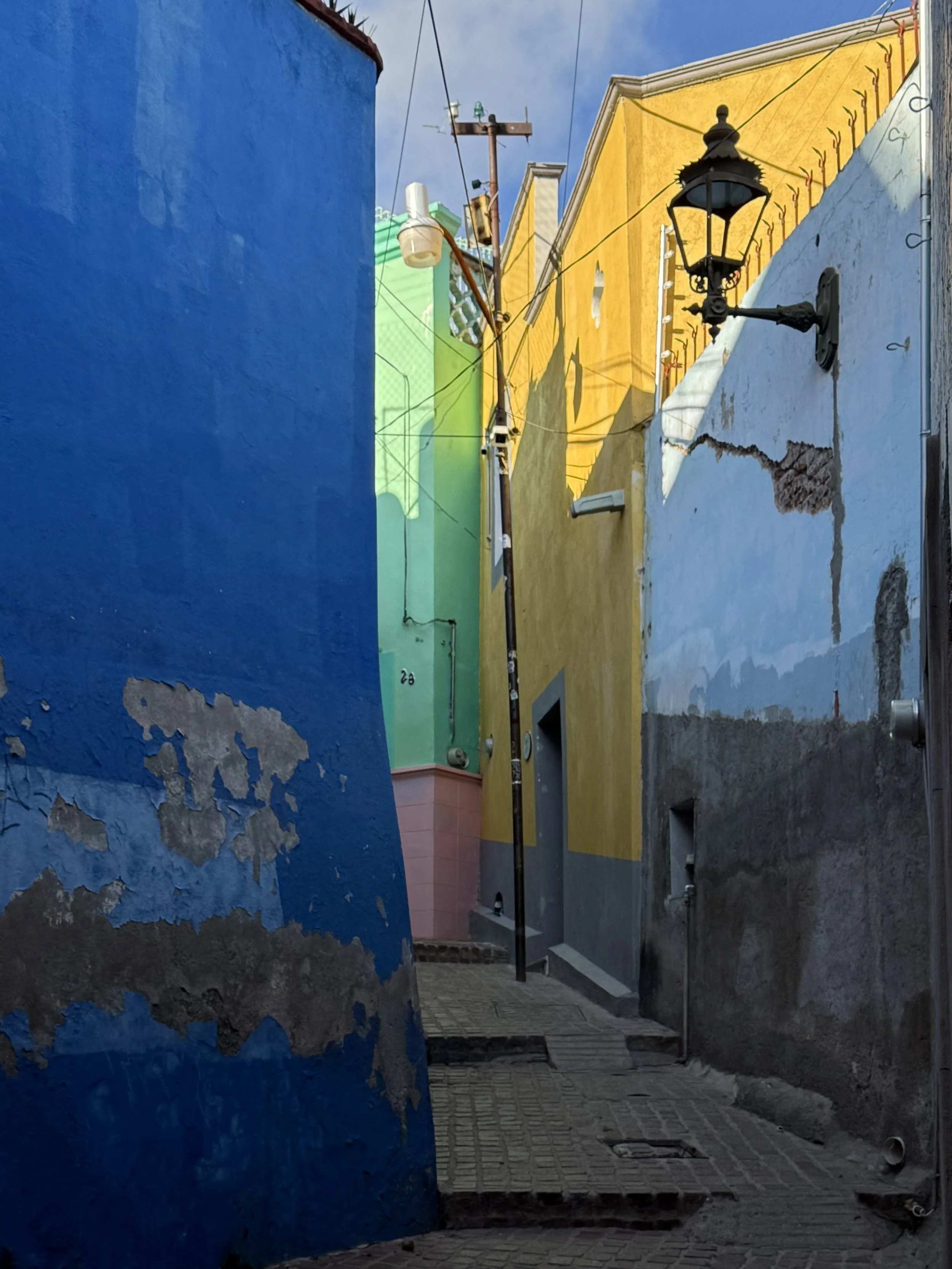
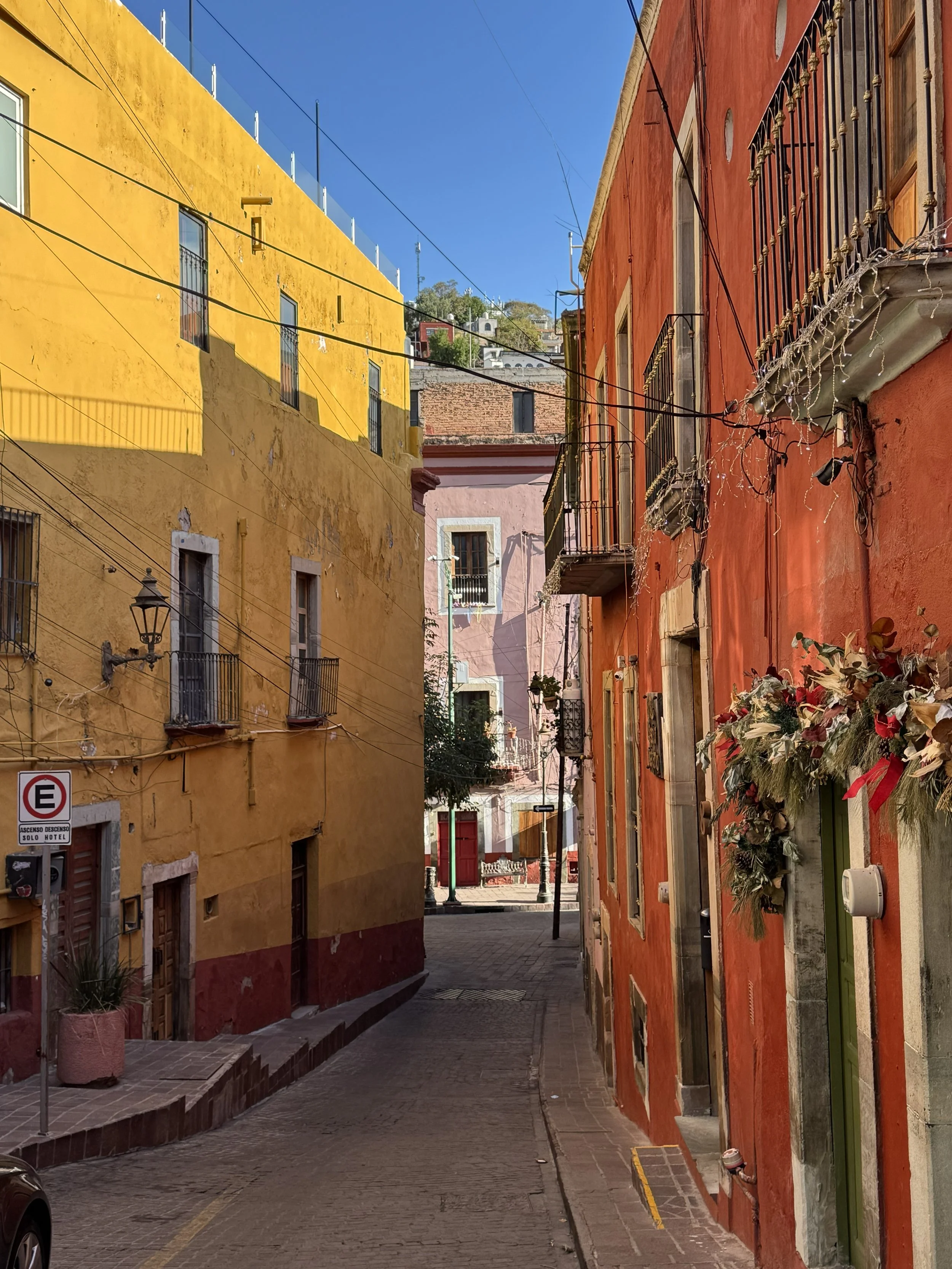
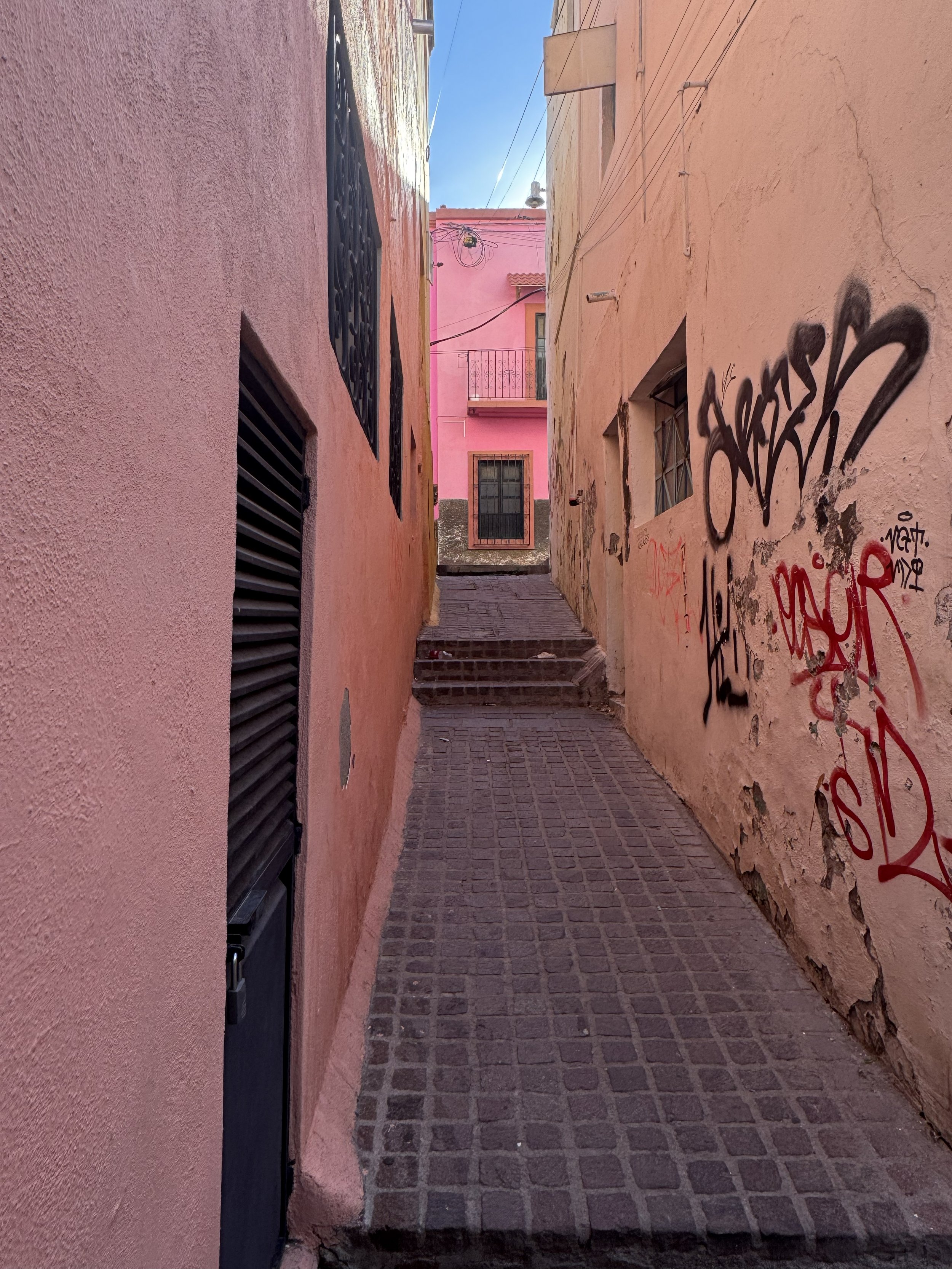
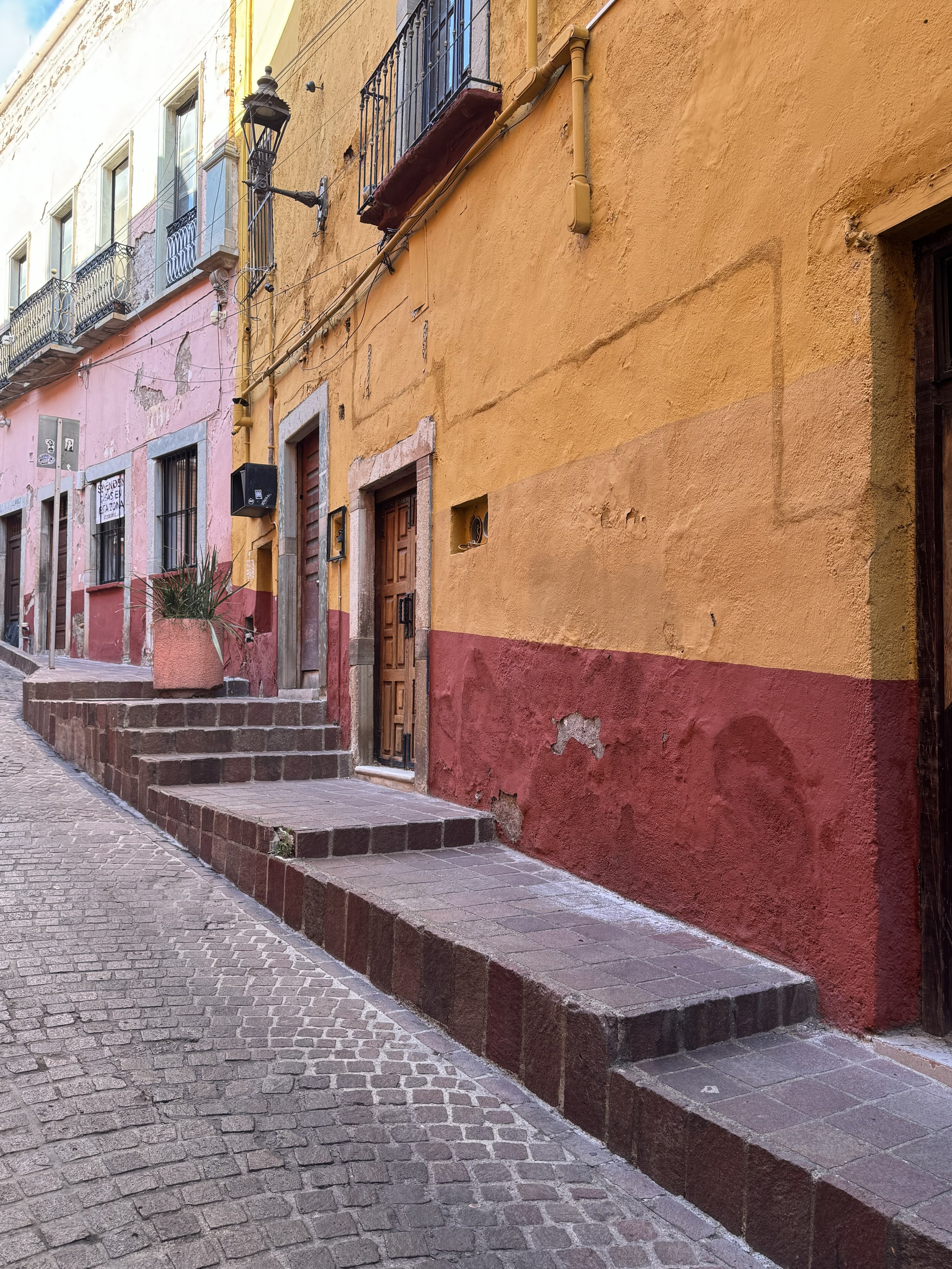
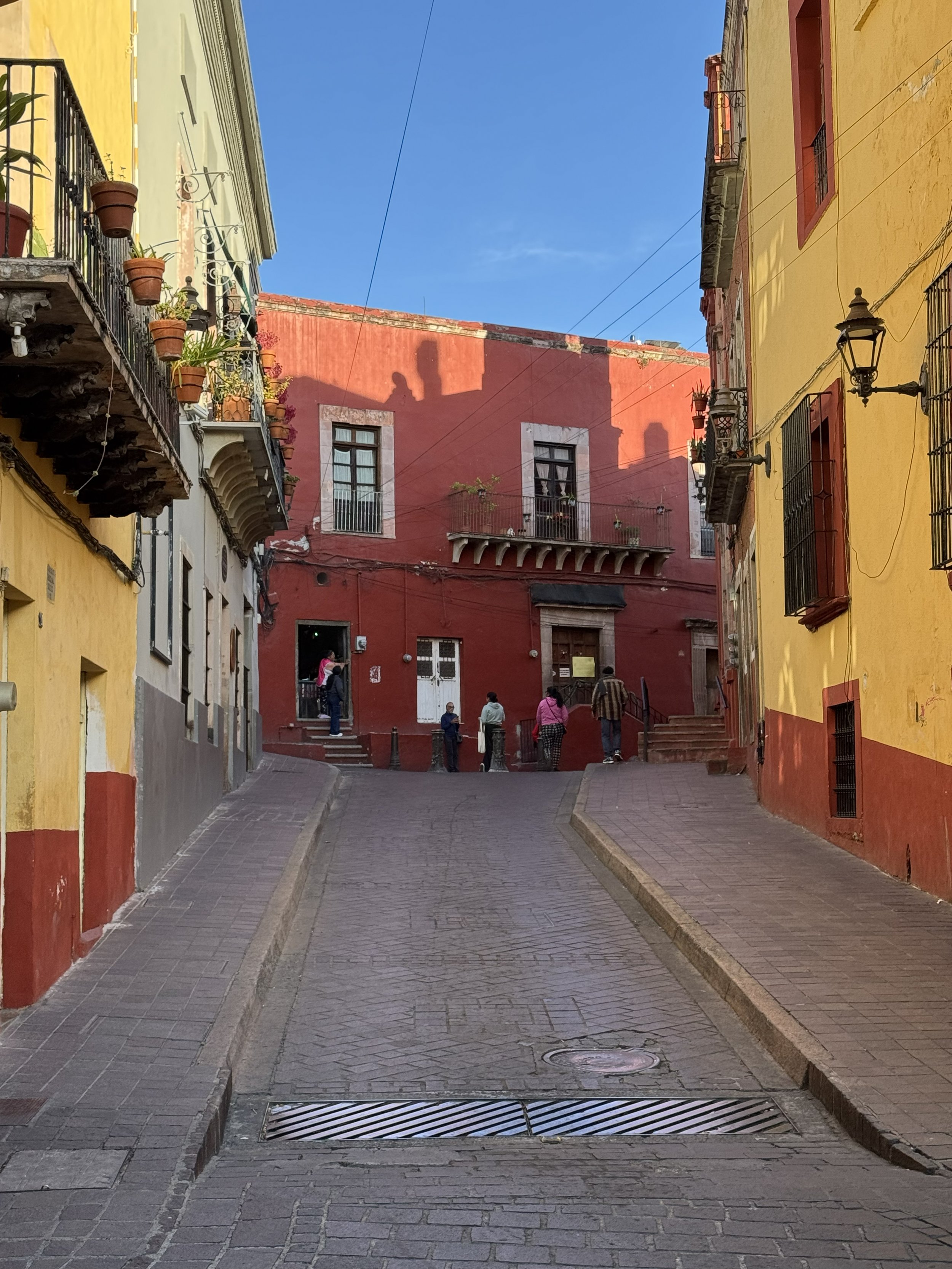
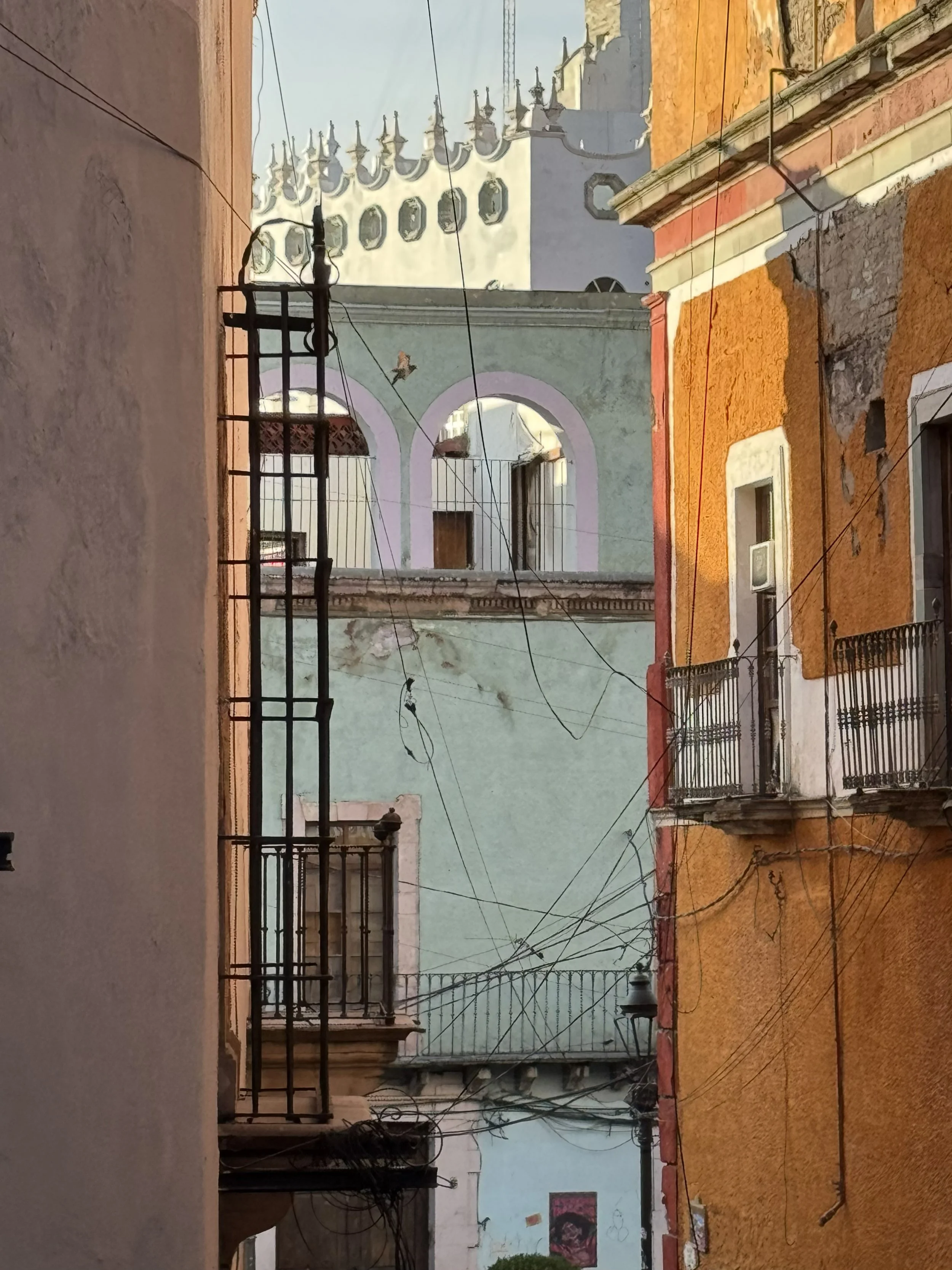
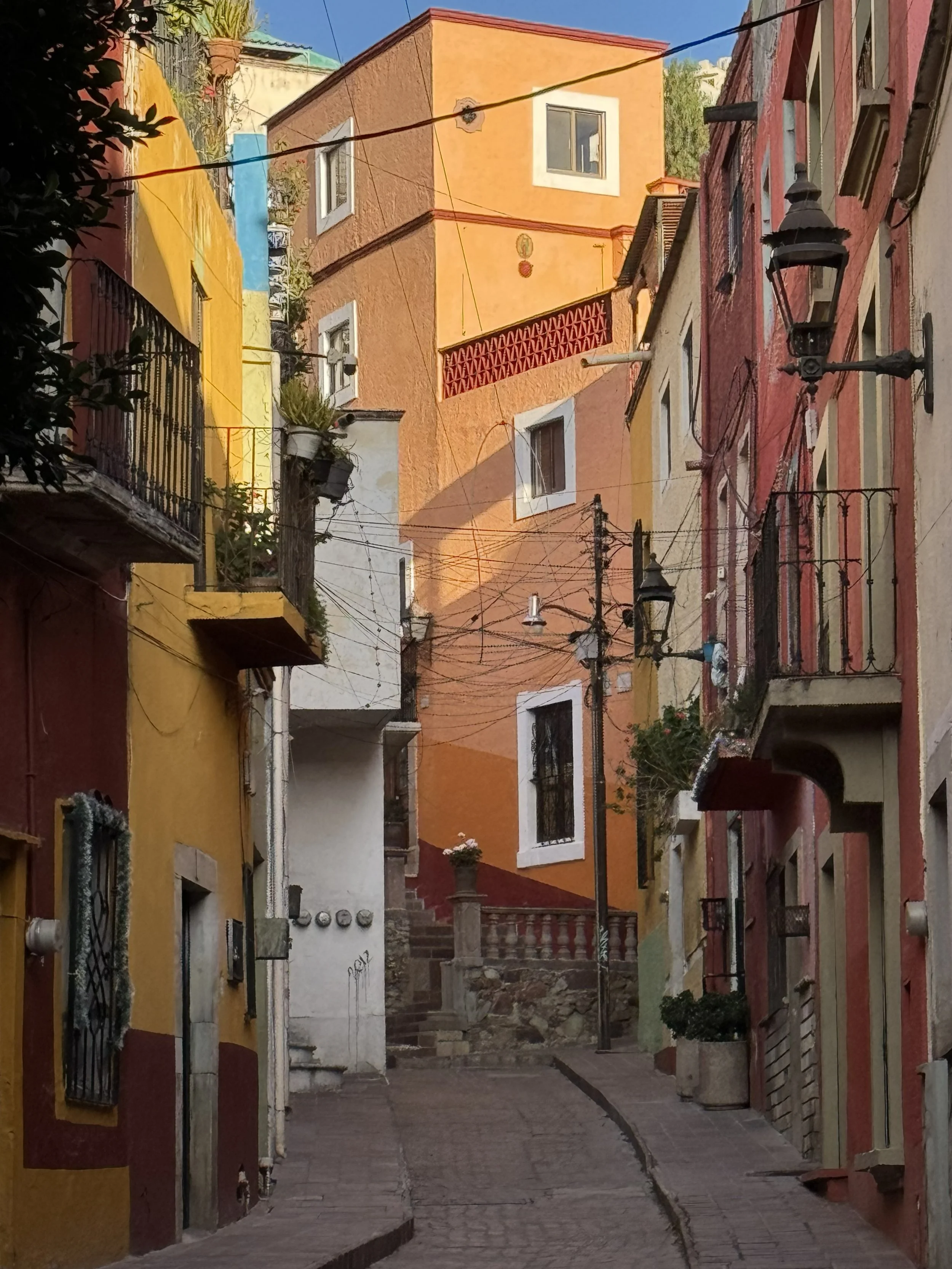
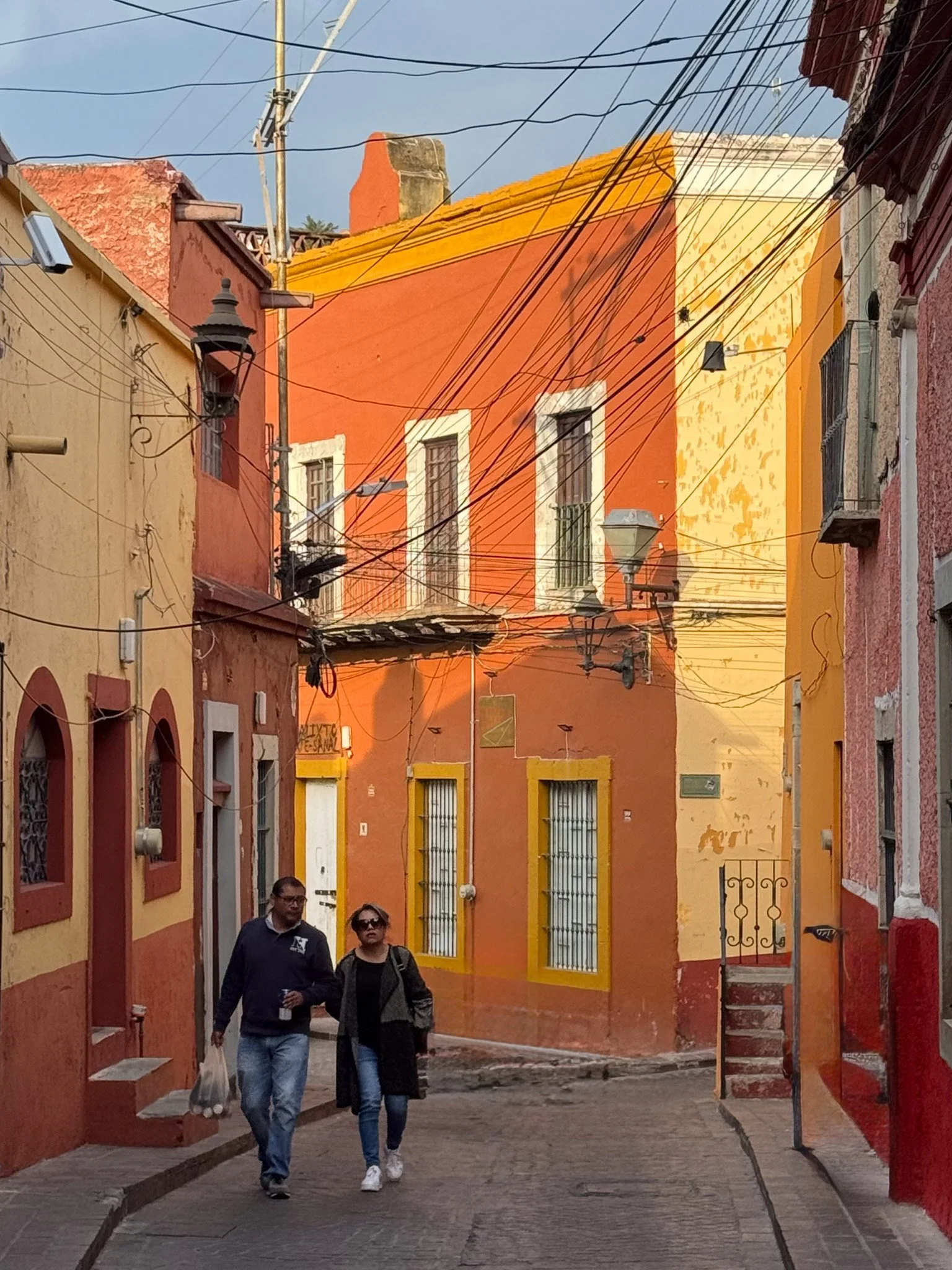
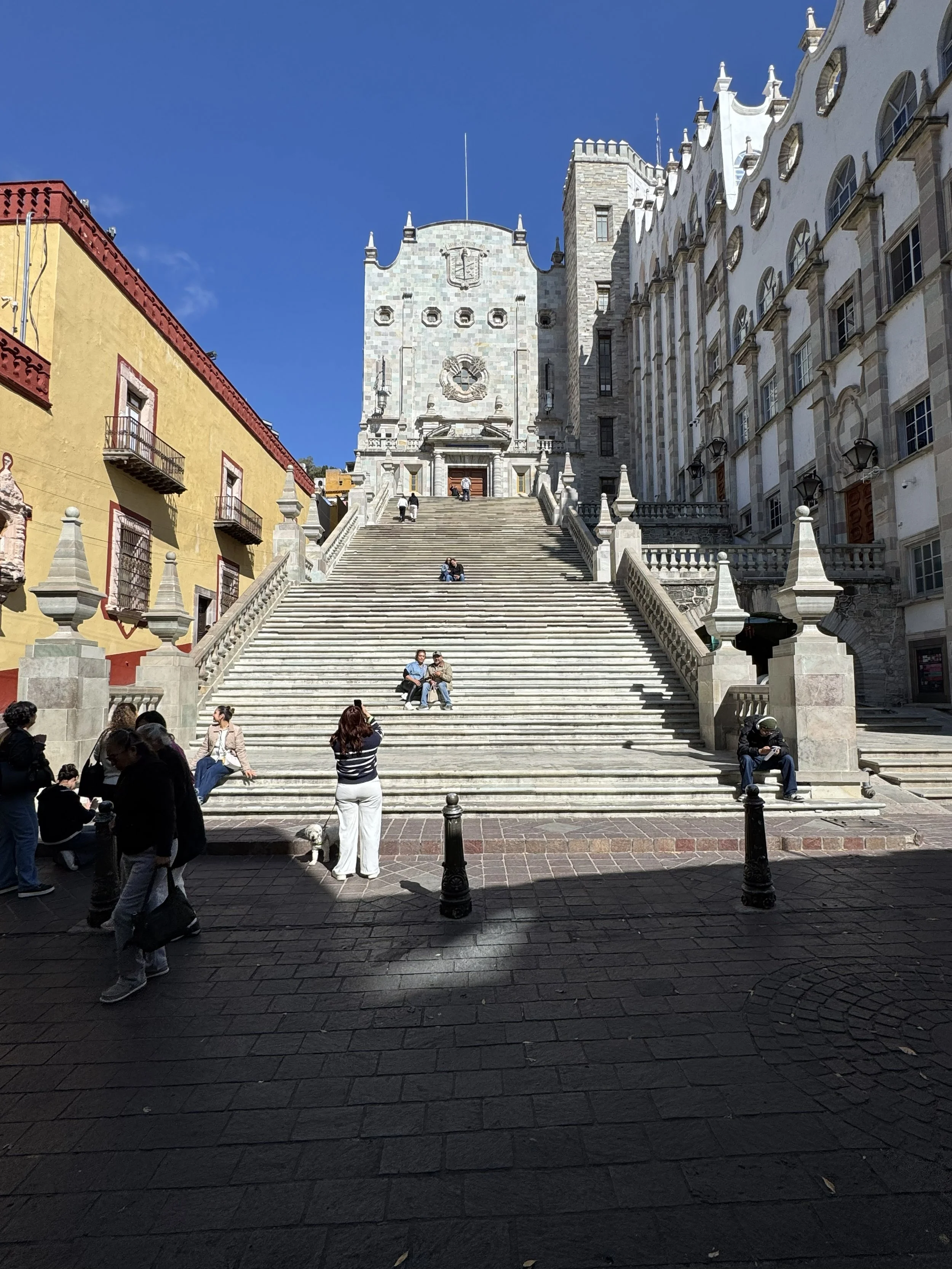
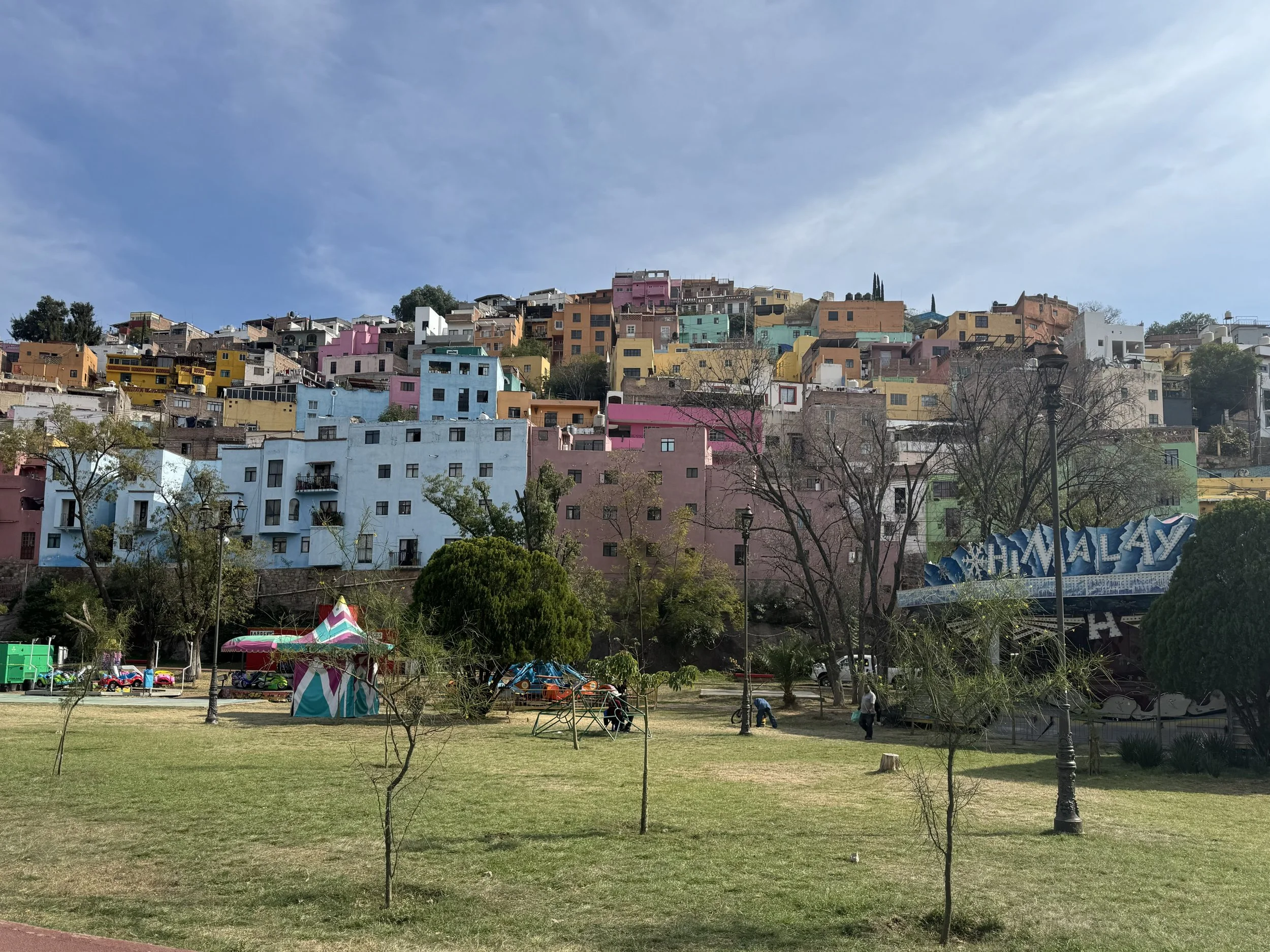
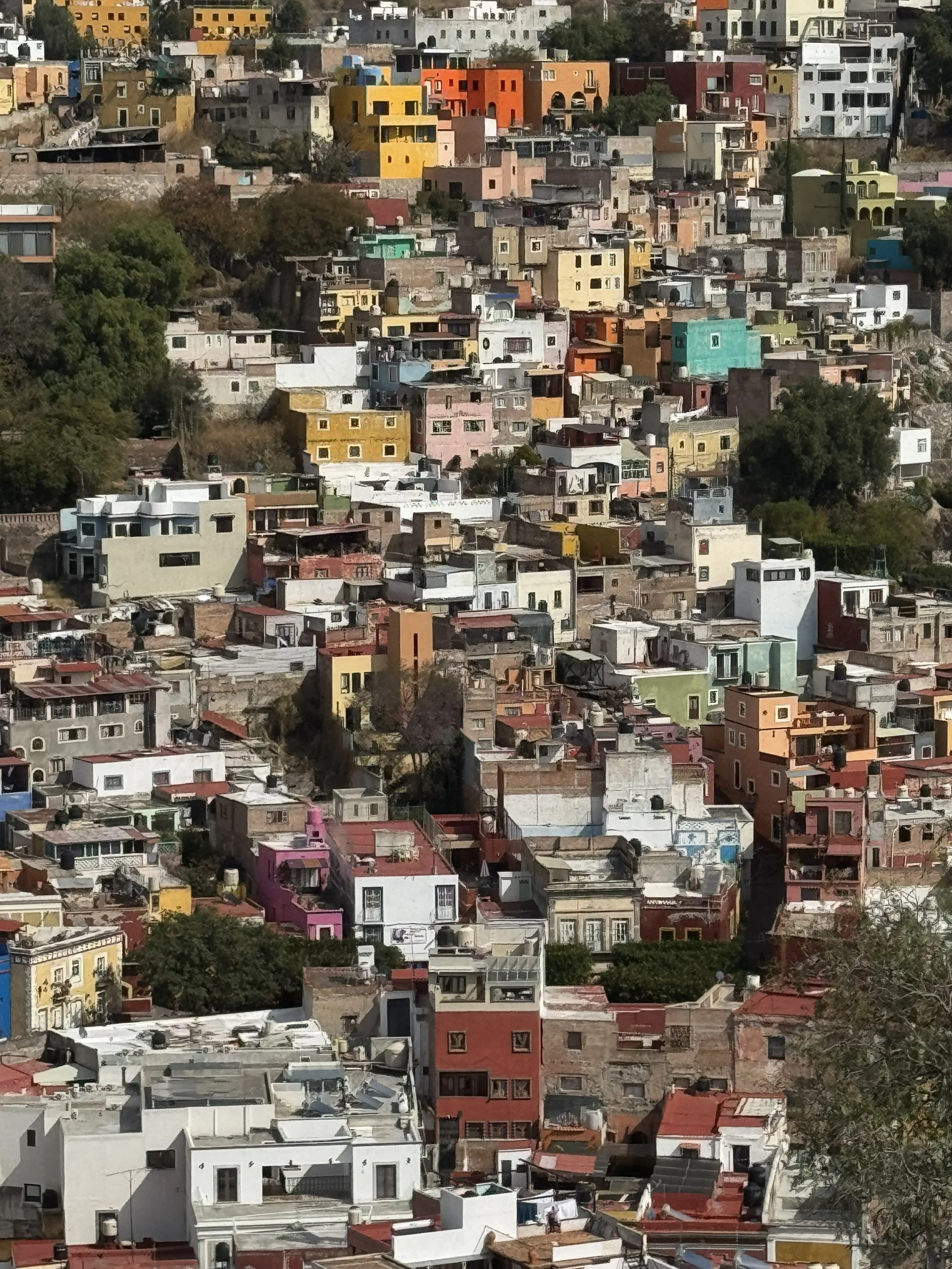
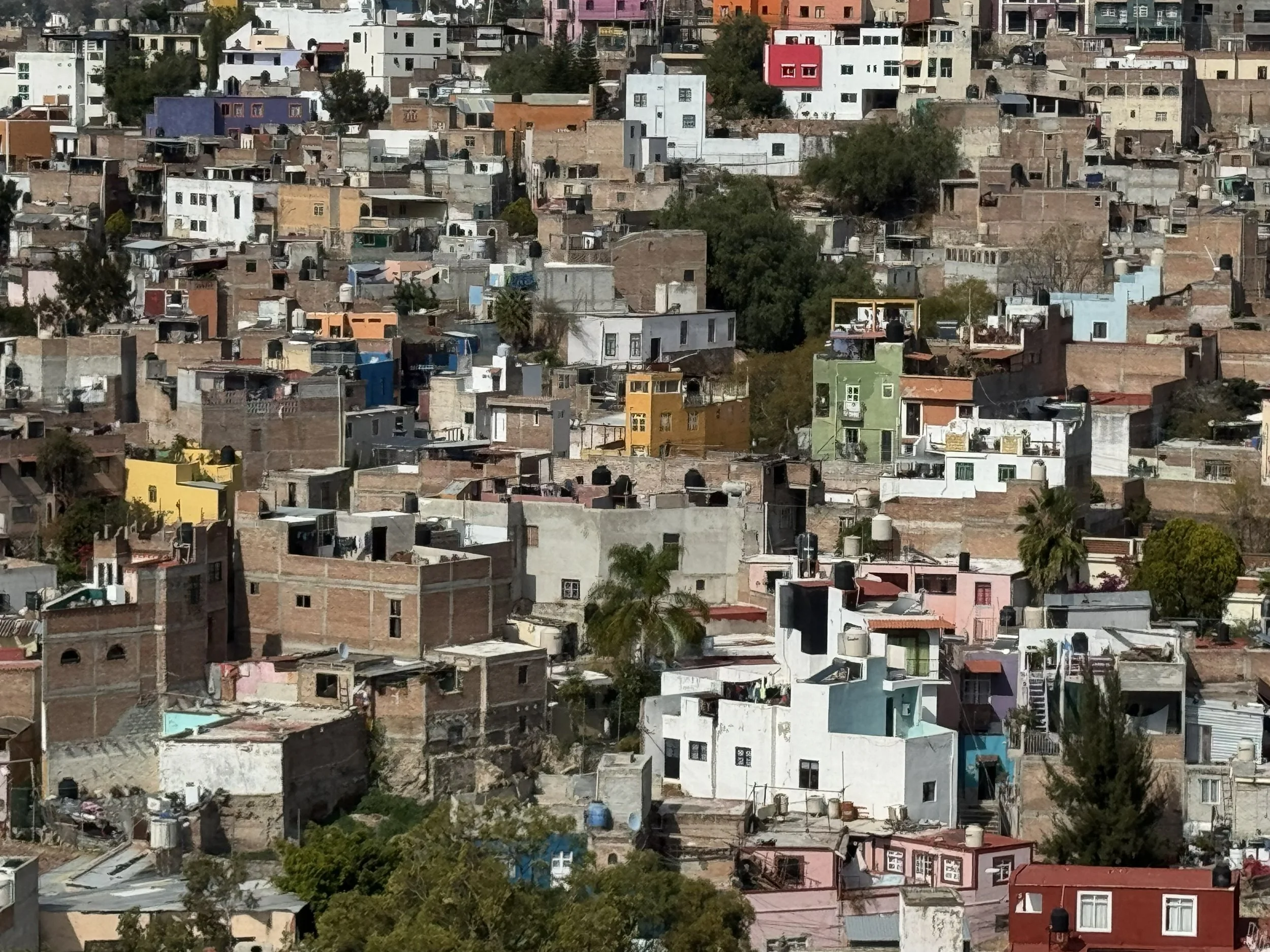
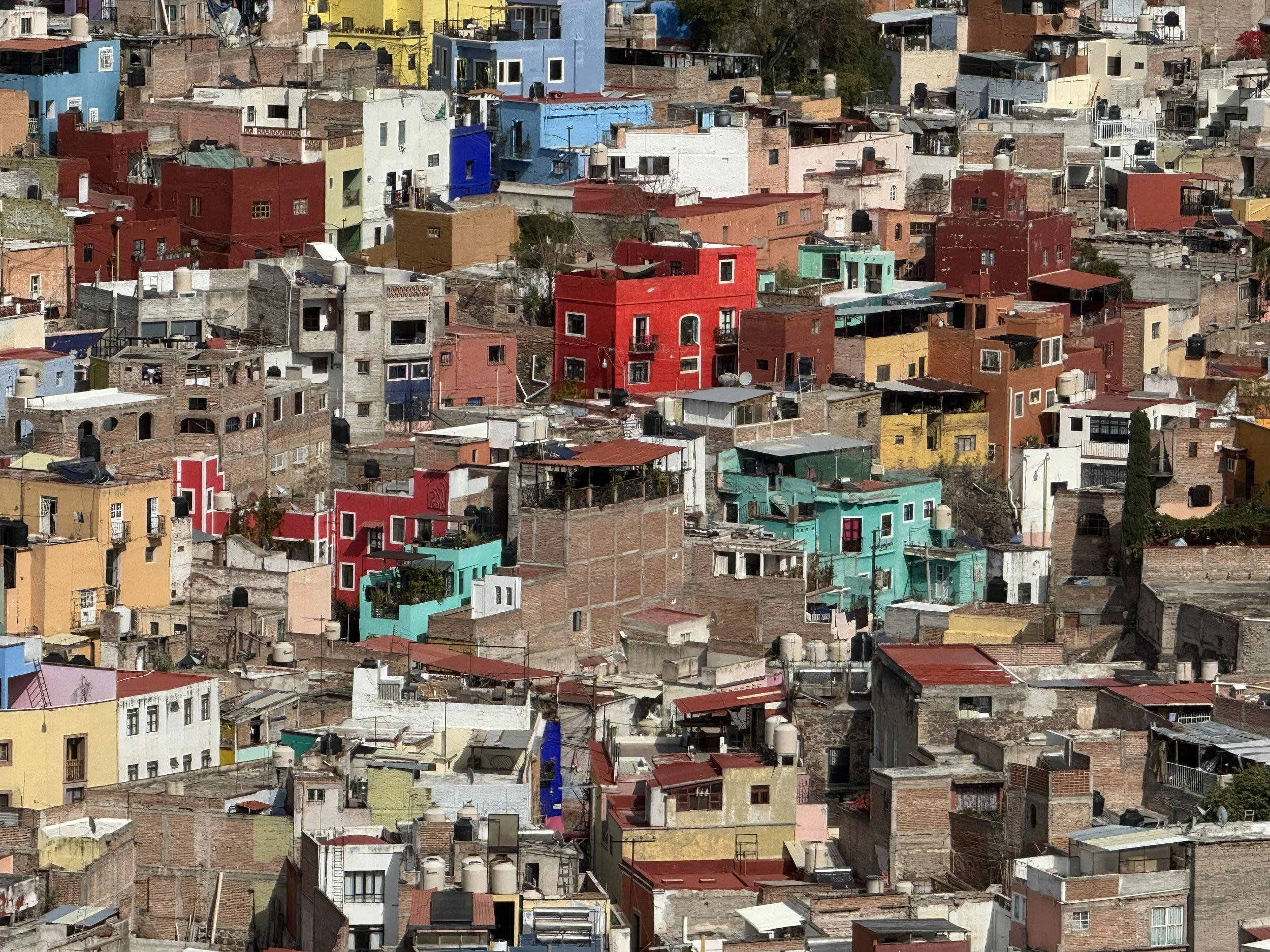
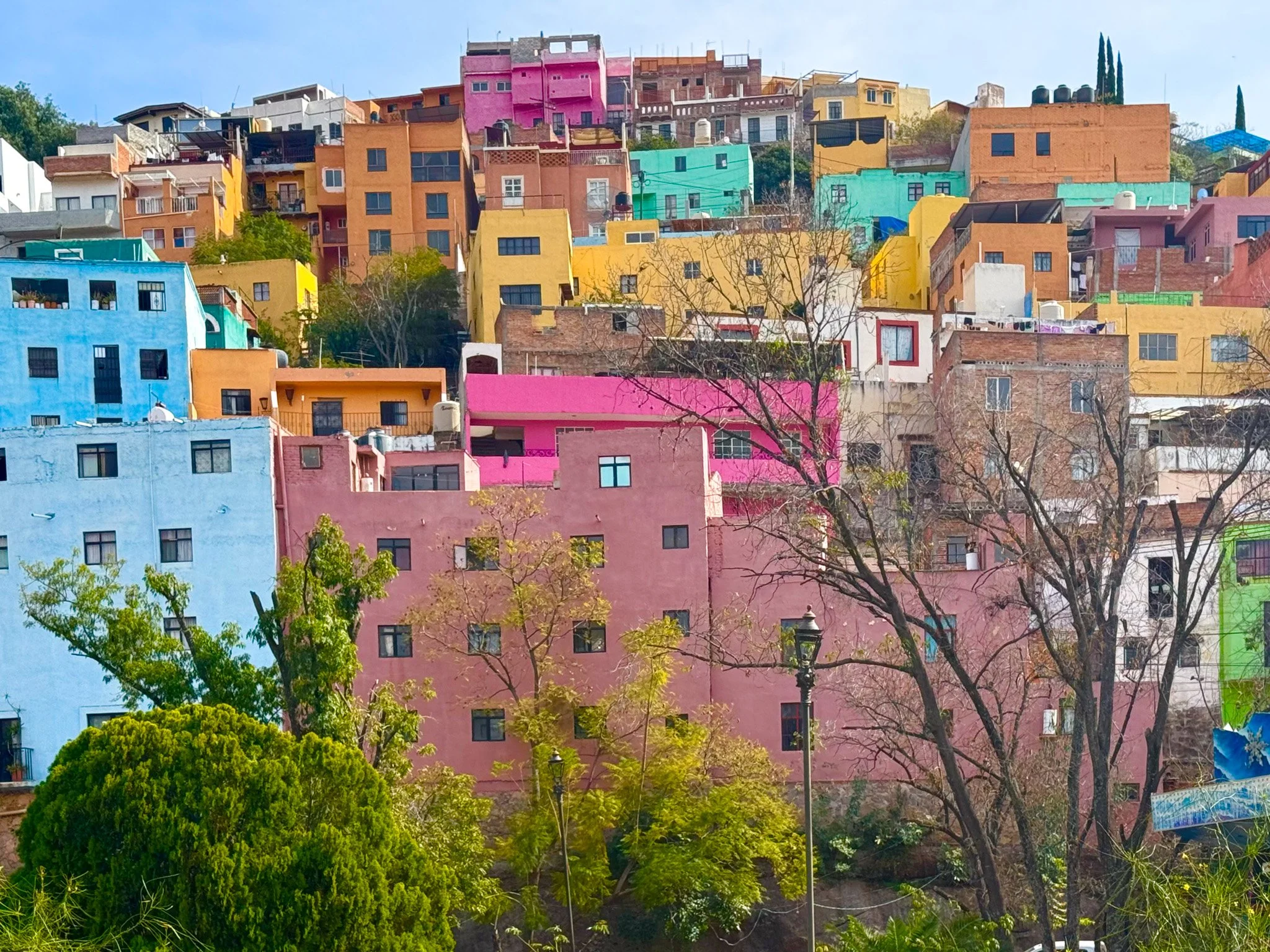
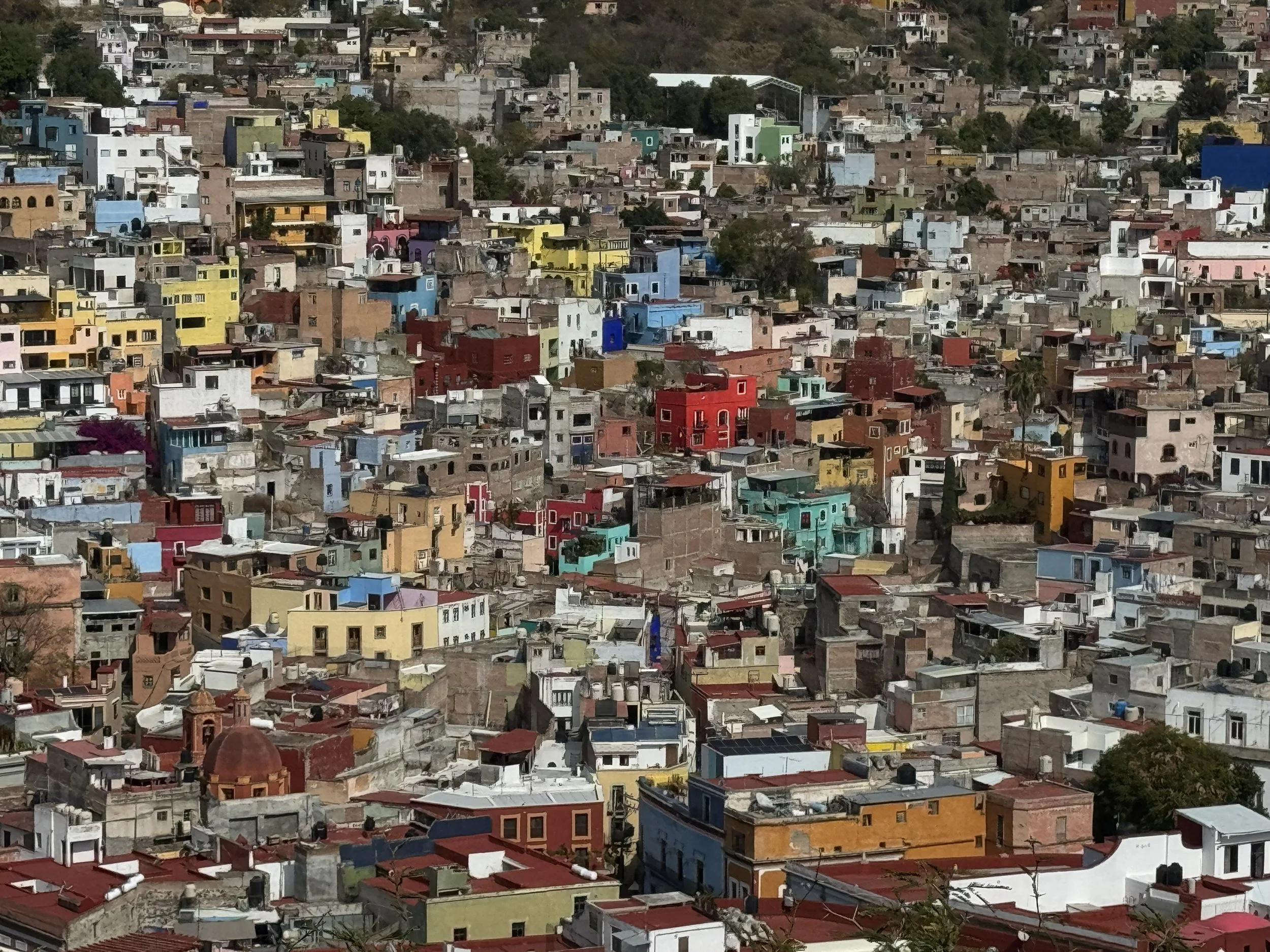
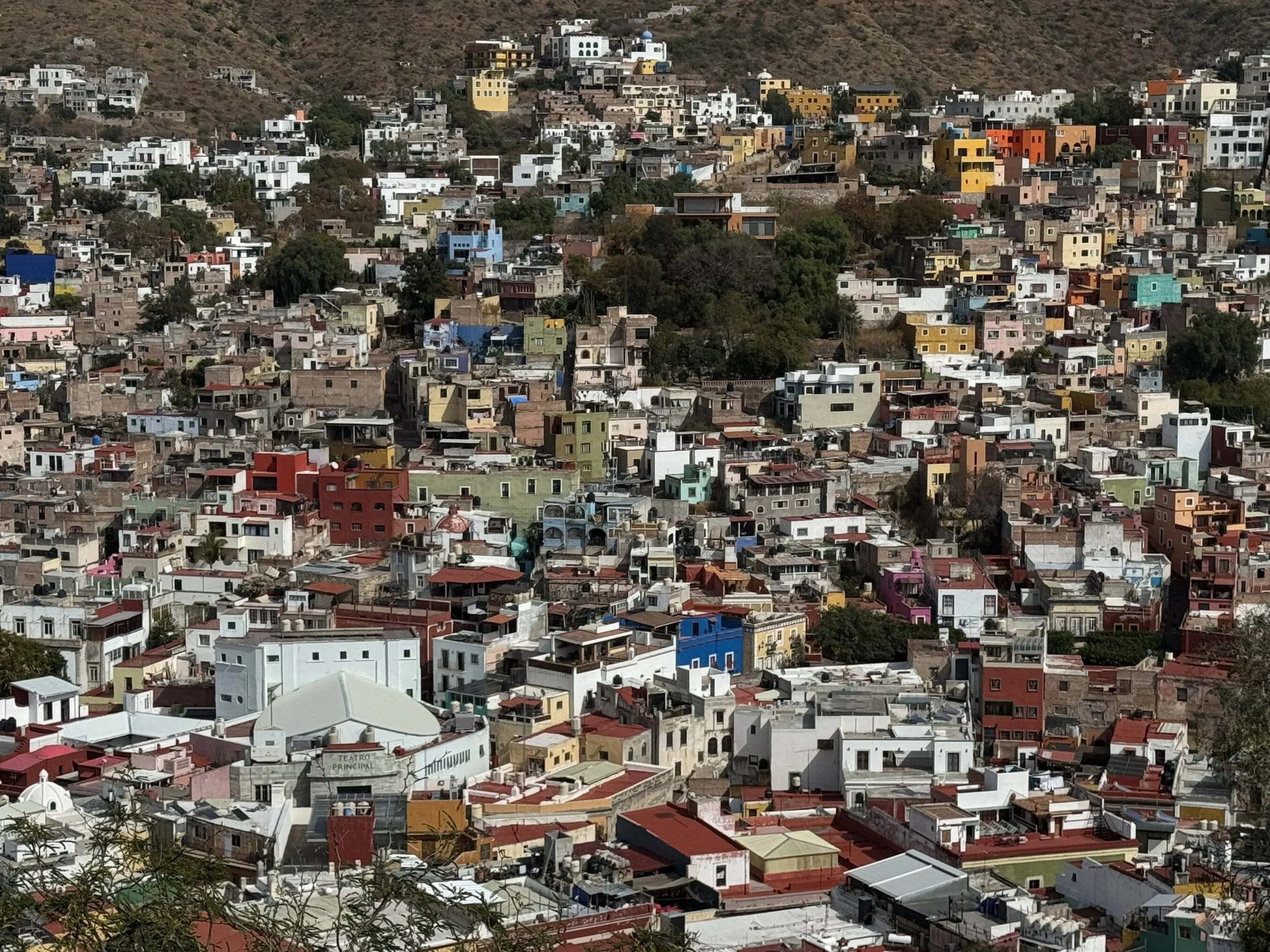
Guanajuato is a dense vertical tapestry, a chromic theatre of innumerable hues forming a three-dimensional painting suspended in a garden of light. It is a visual feast of unexpected delight.
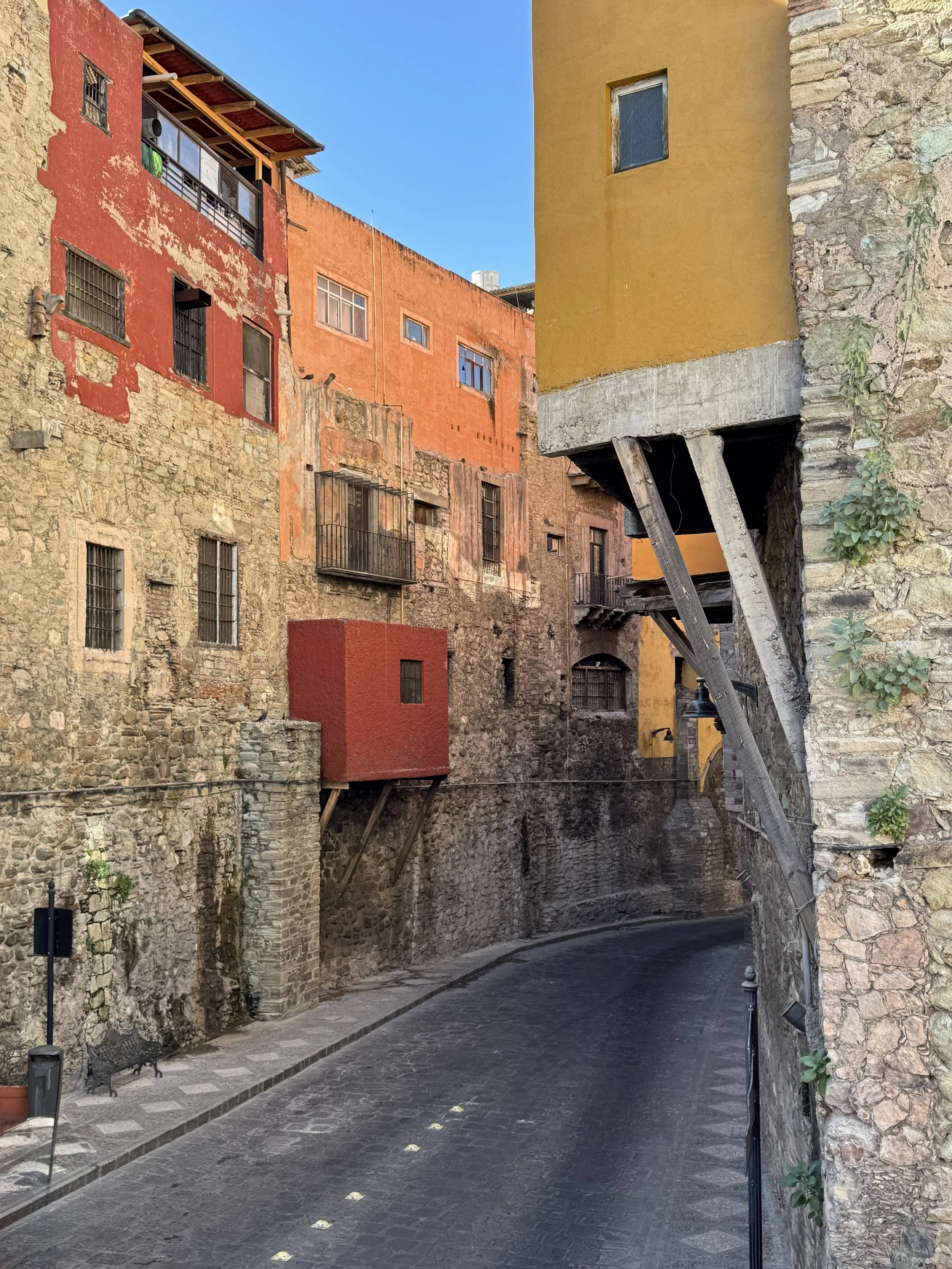
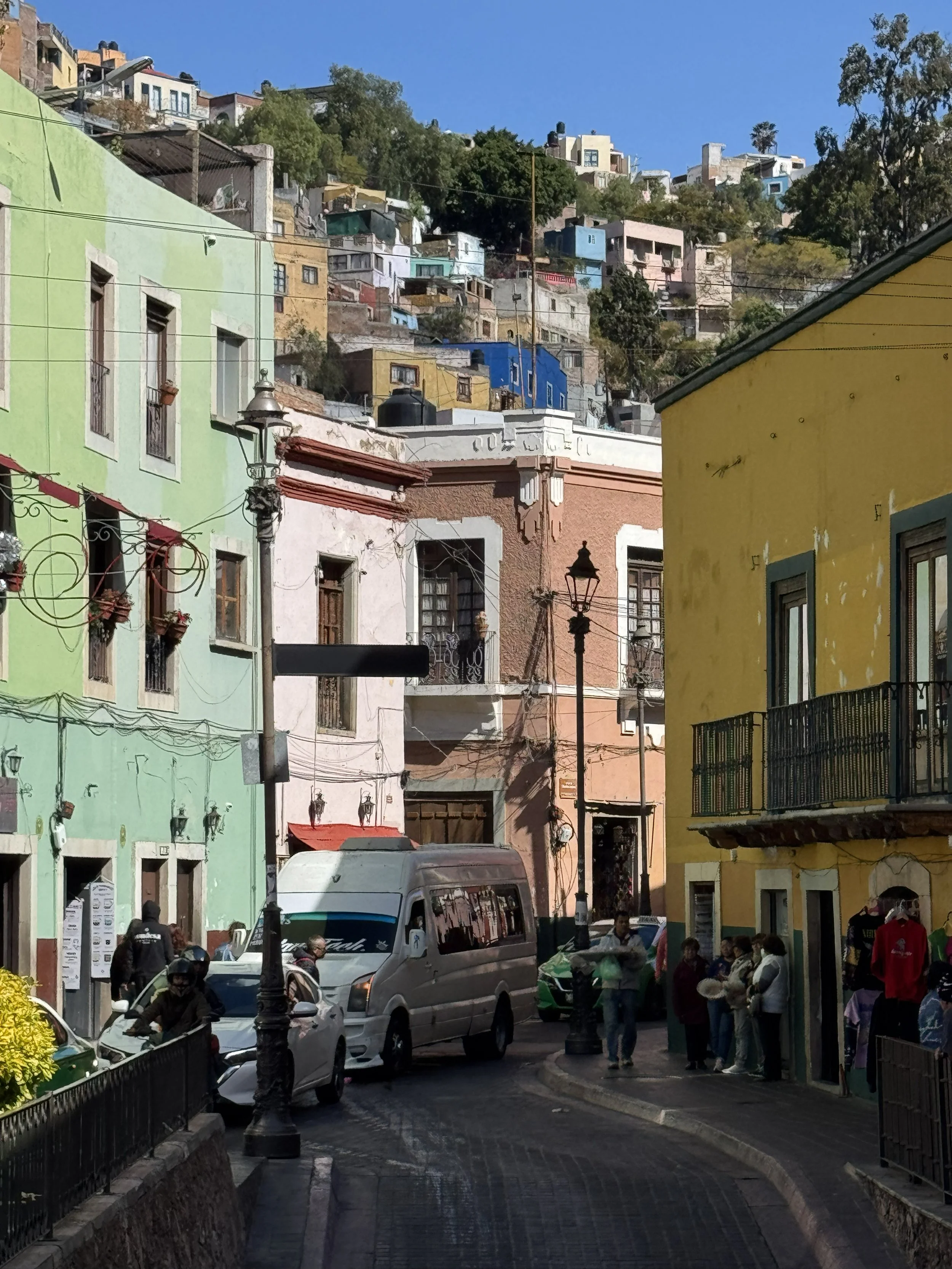
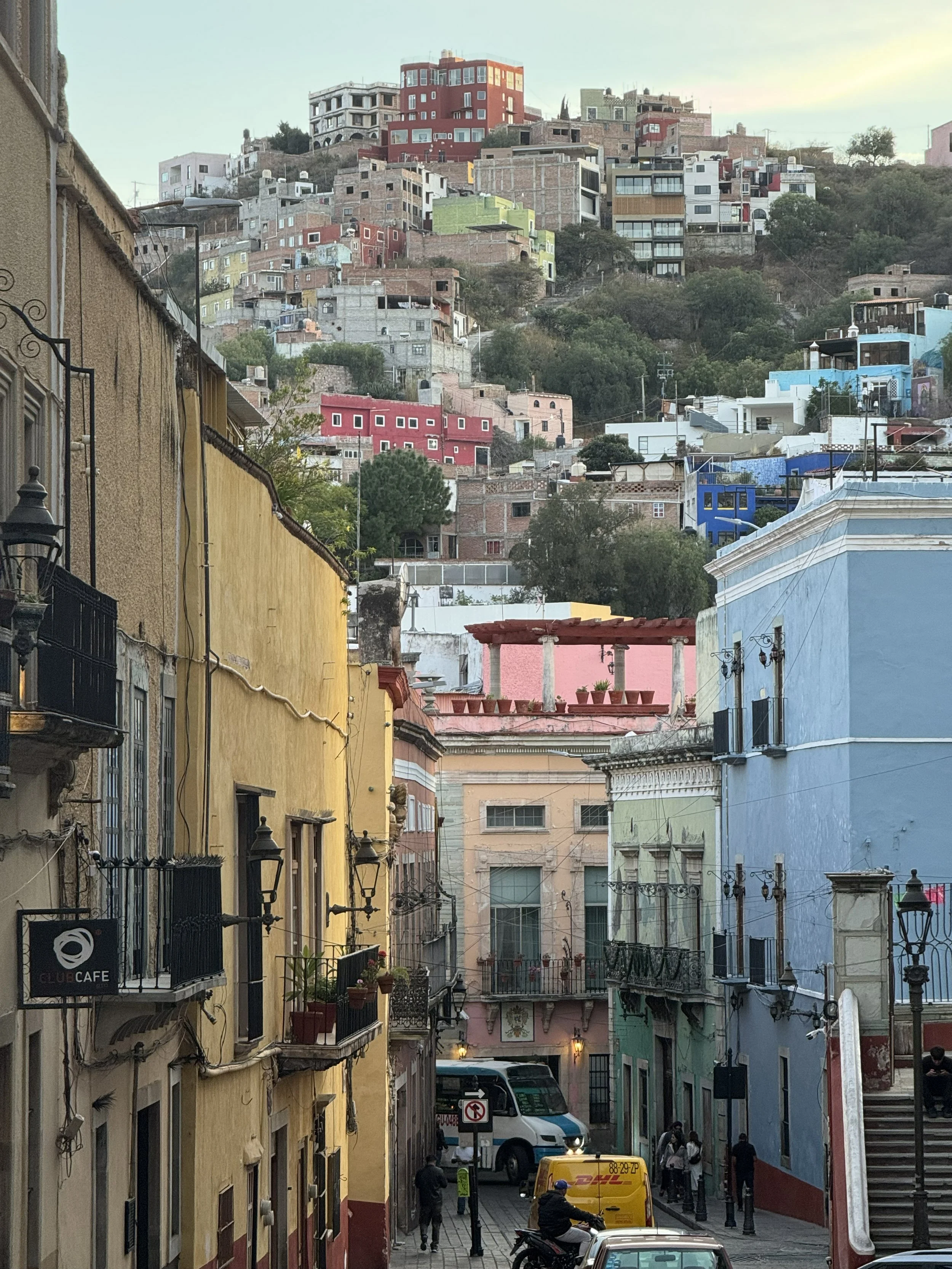
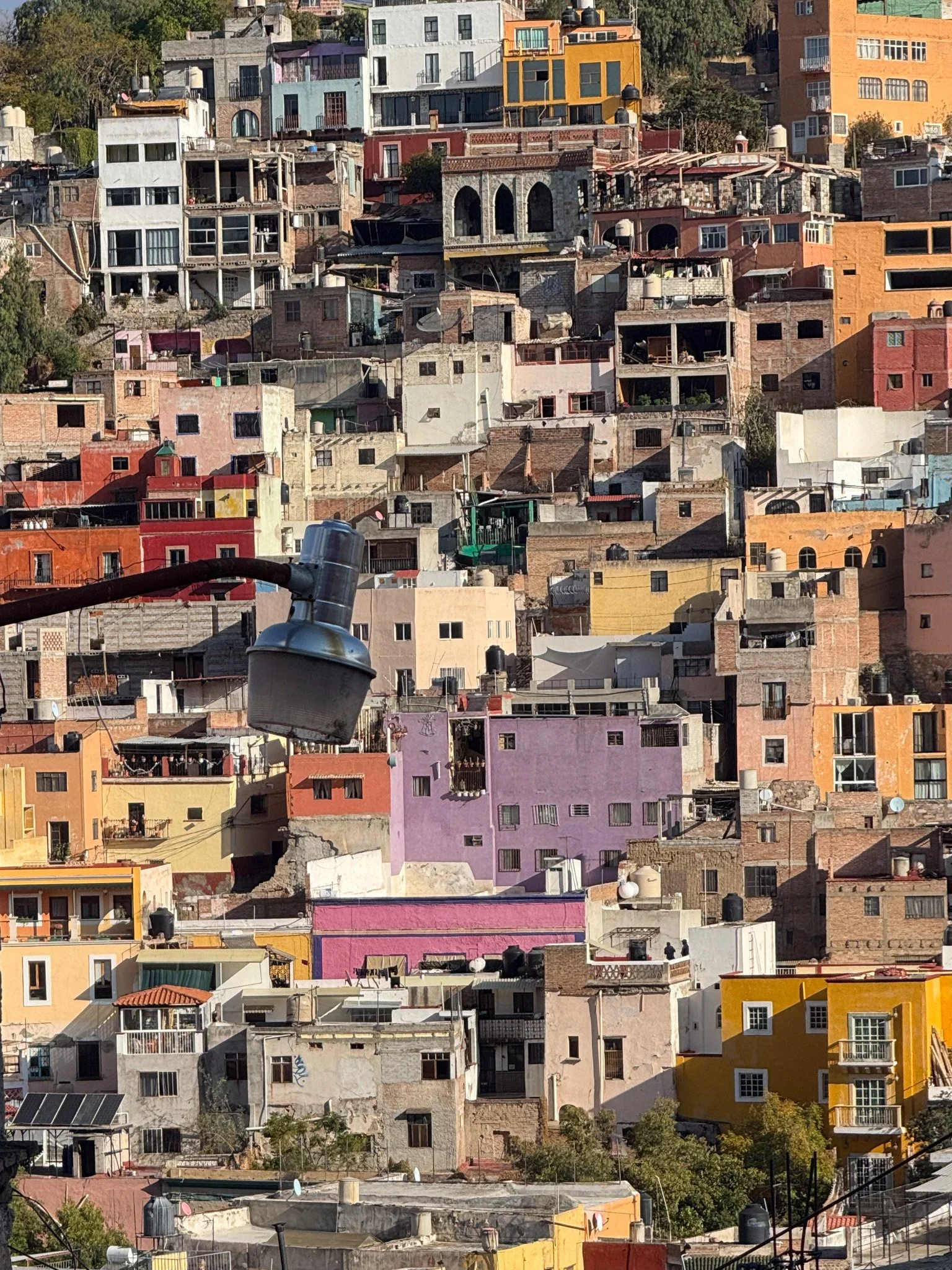
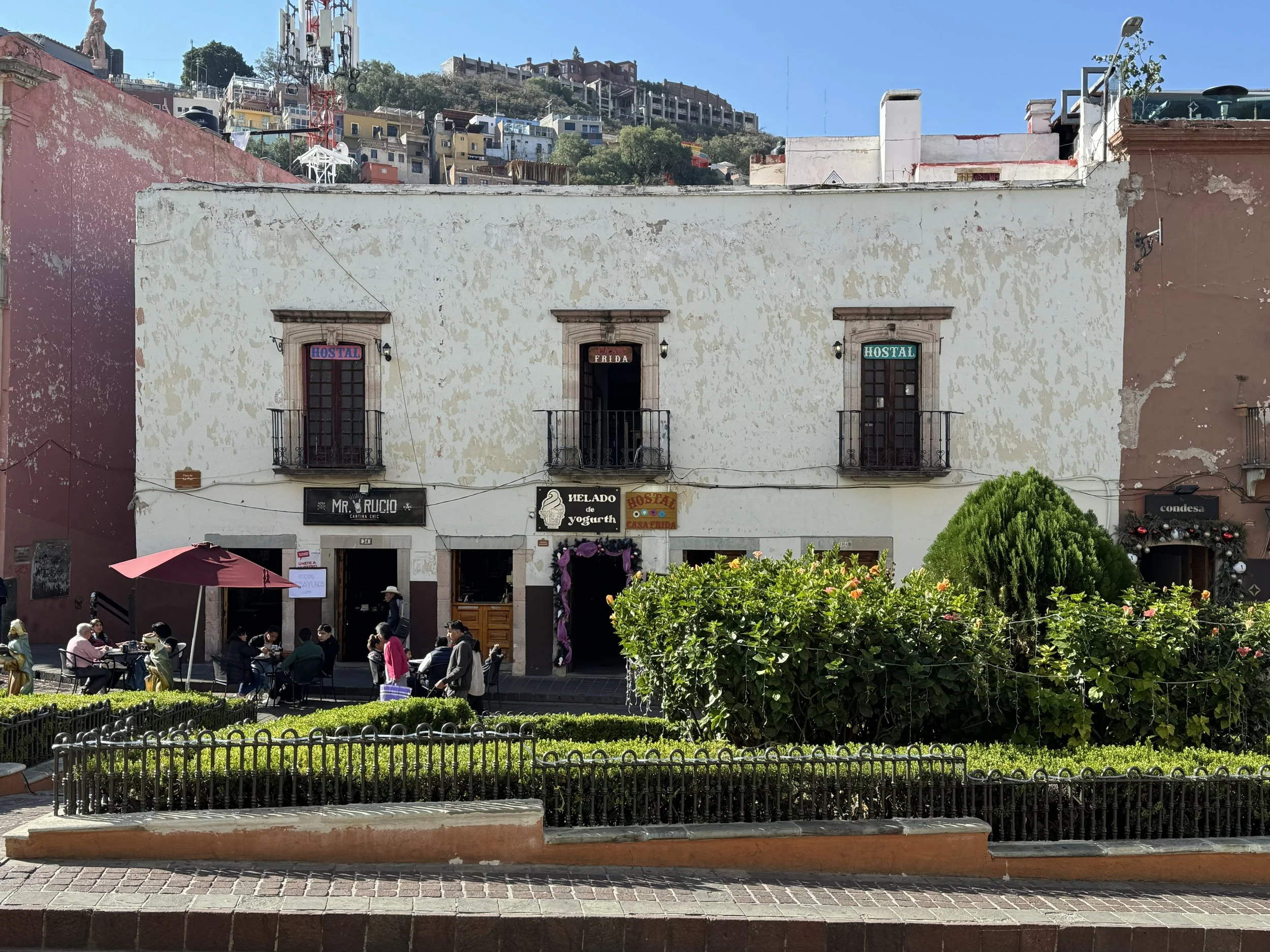
Guanajuato’s buildings are inseparable from its topography and history: pressed into ravines, stacked on steep hillsides, and shaped by centuries of mining wealth, colonial power, and popular adaptation.
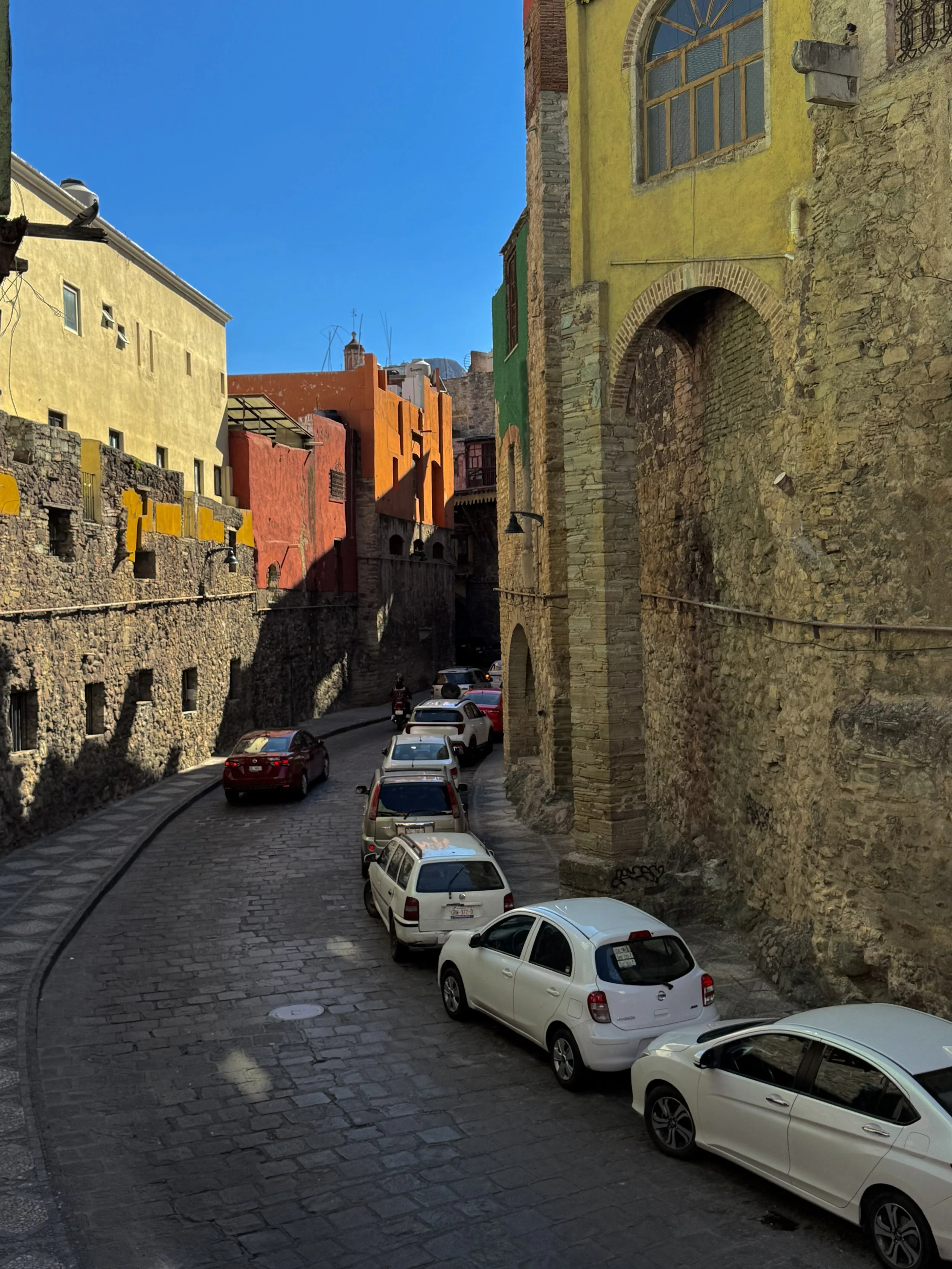
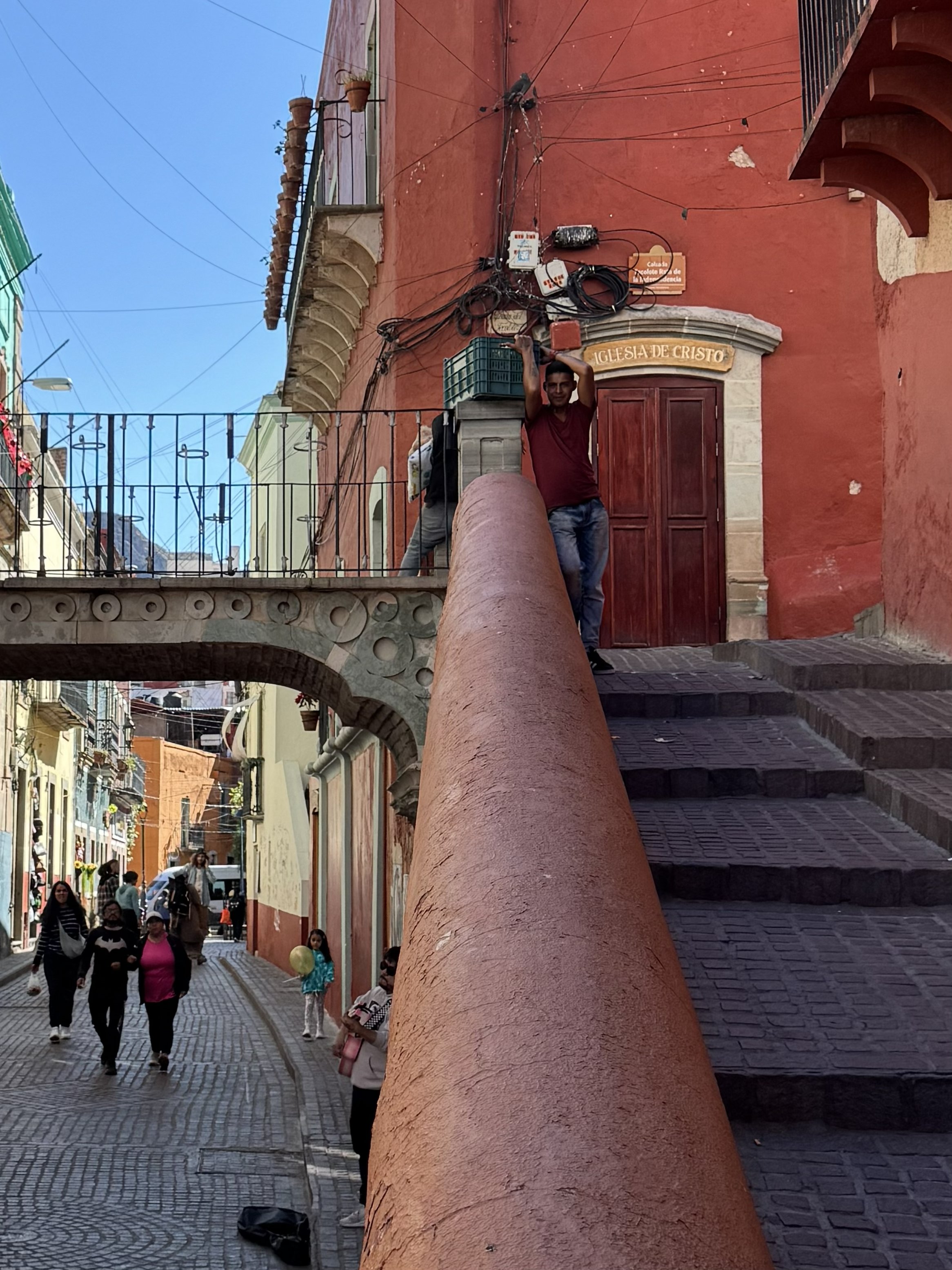
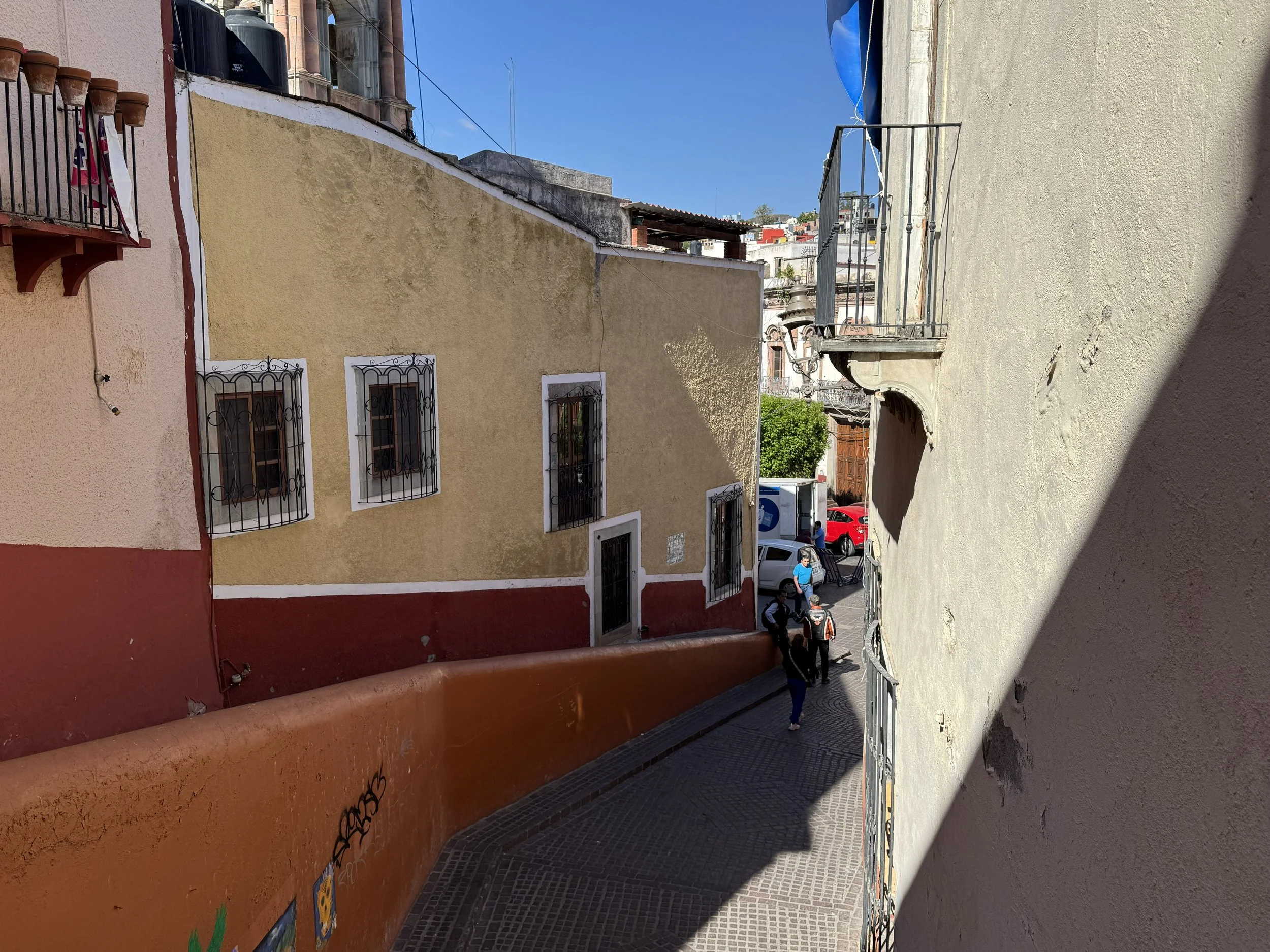
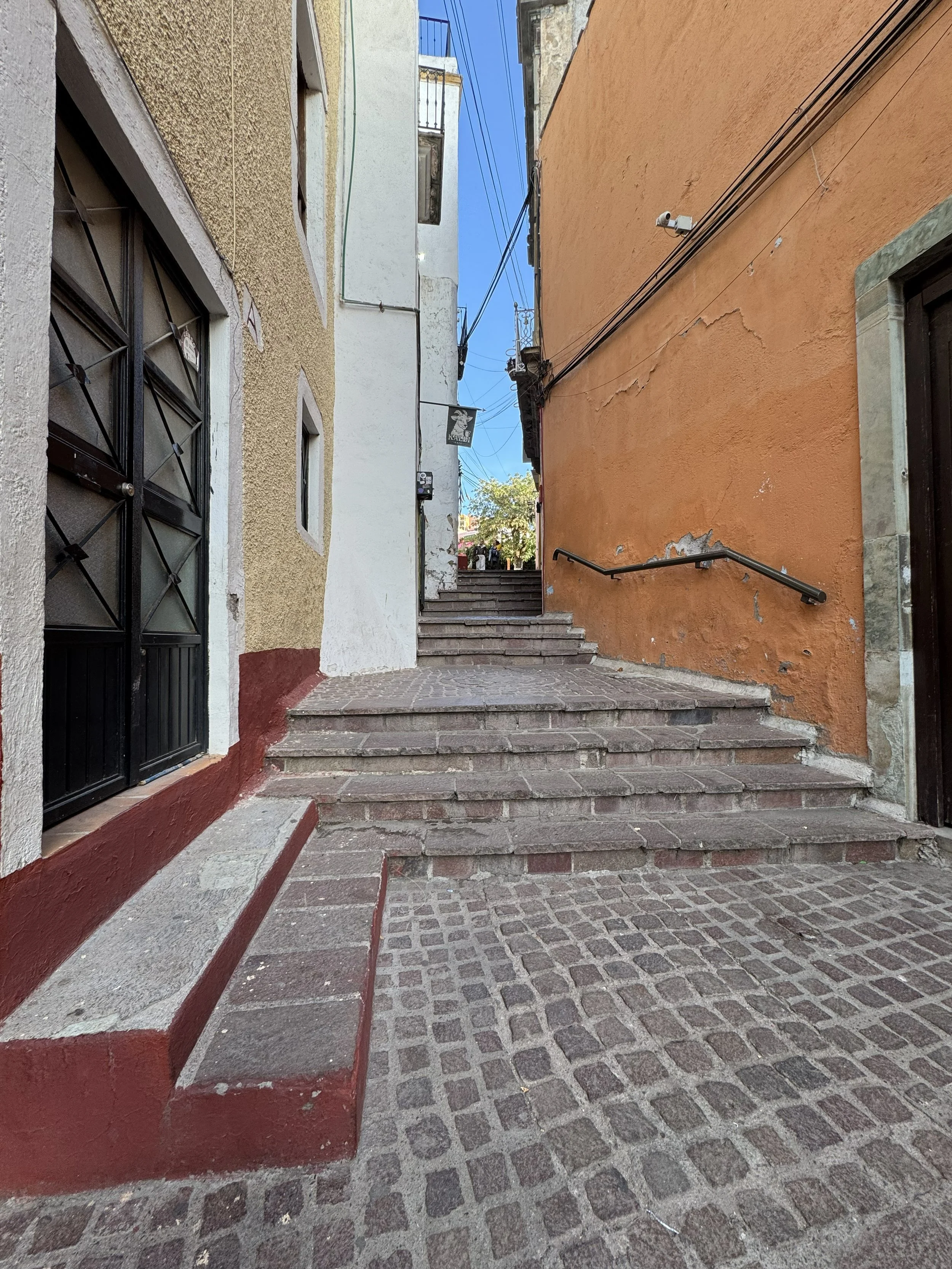
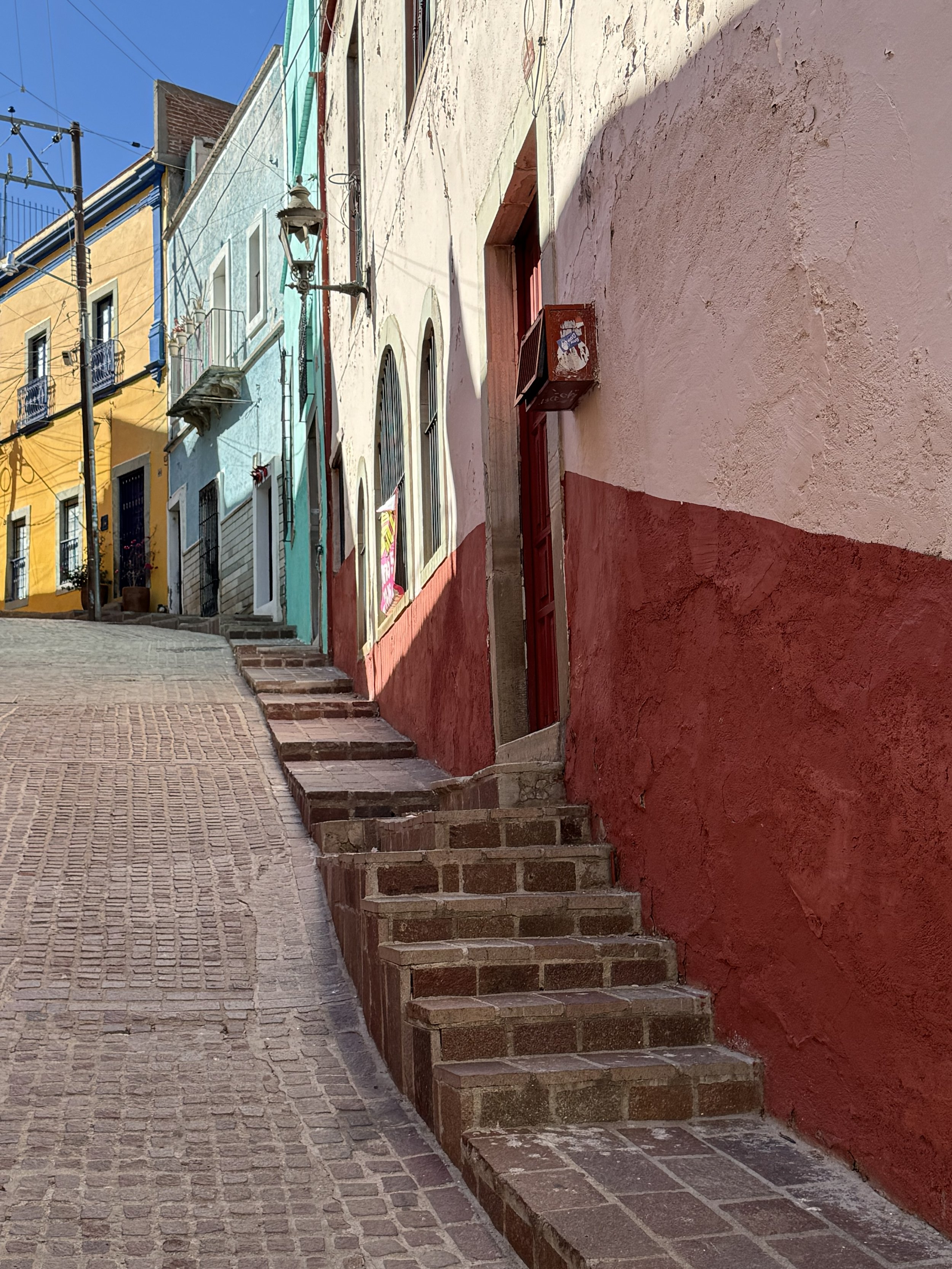
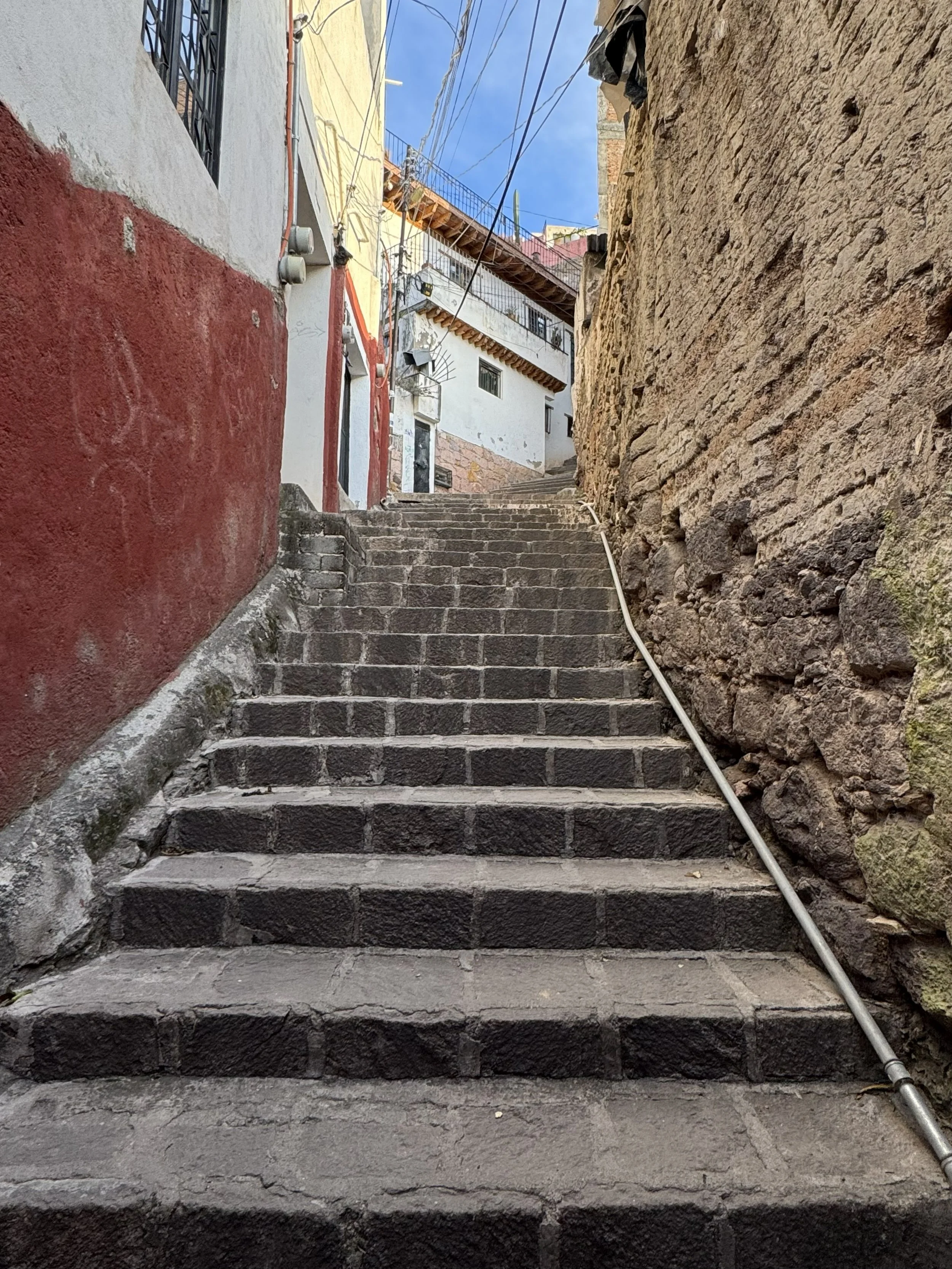
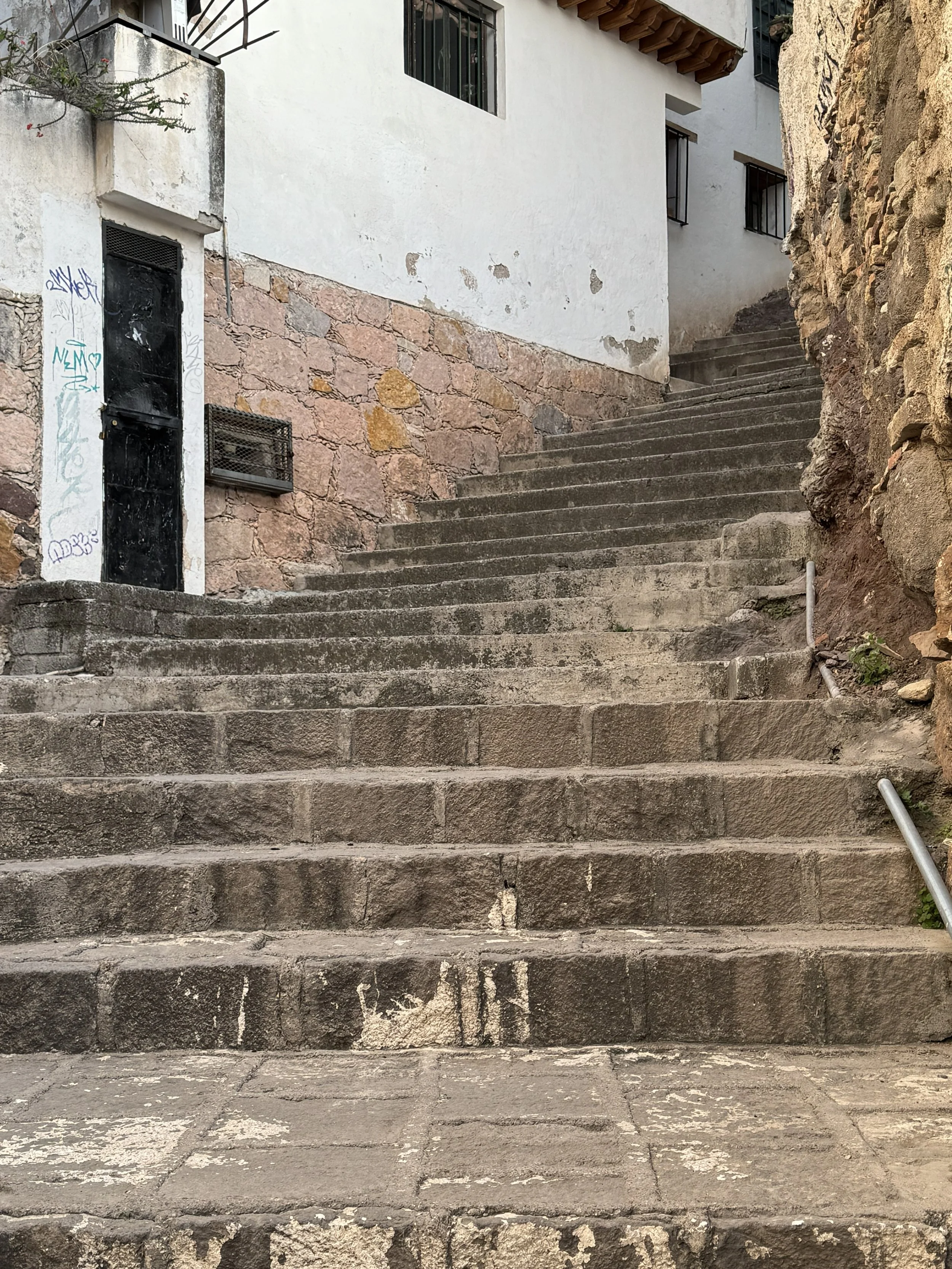
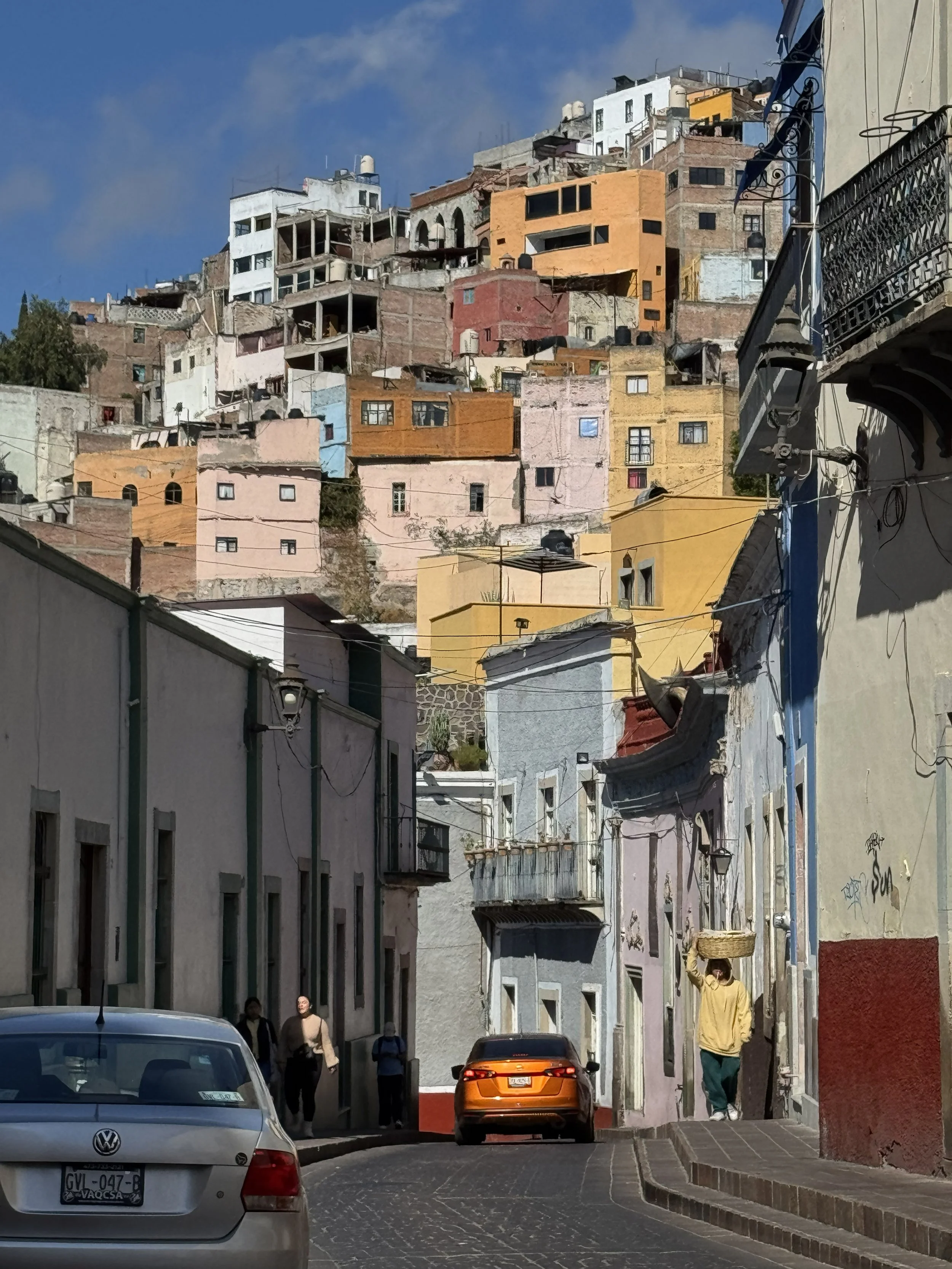
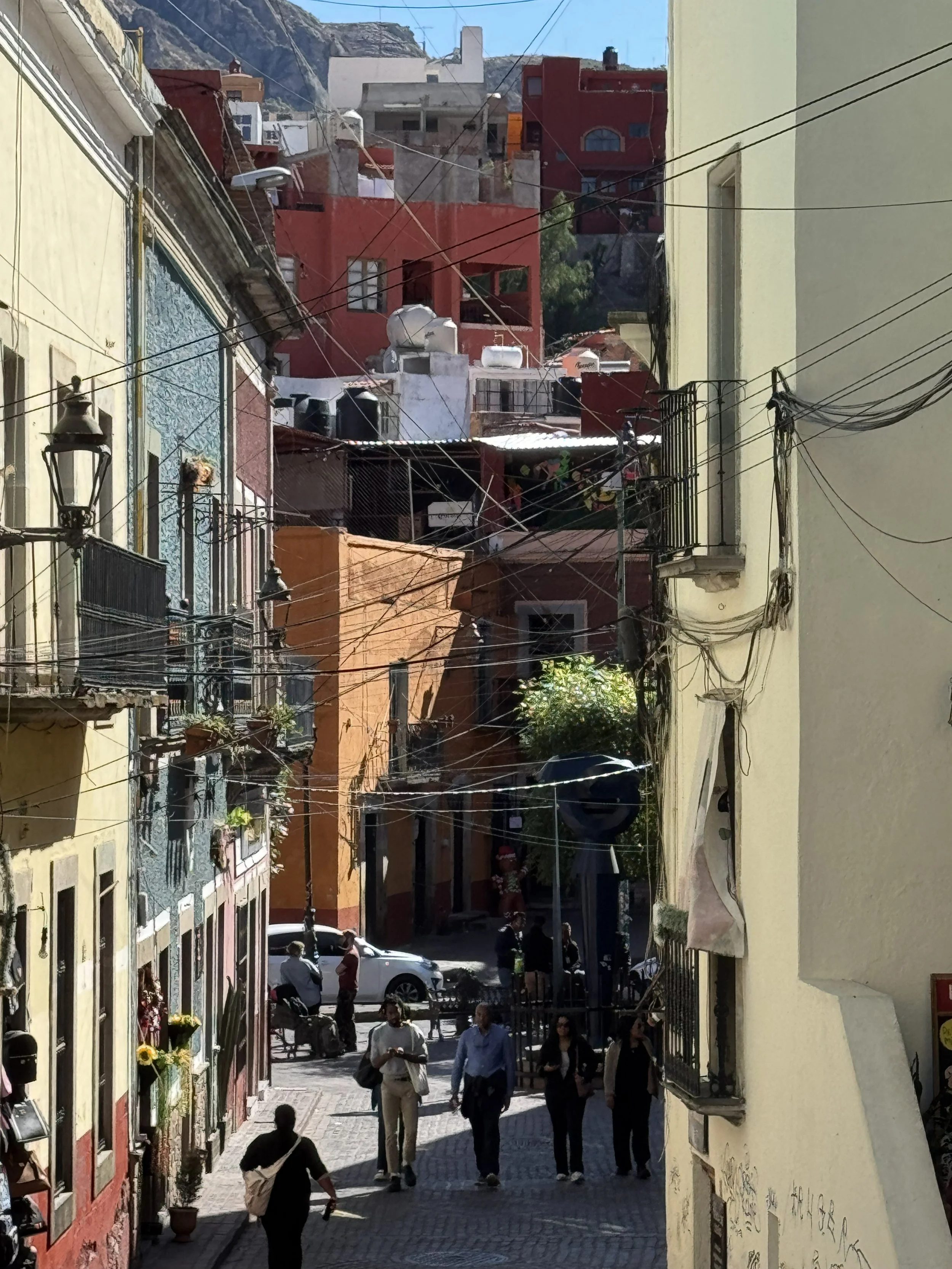
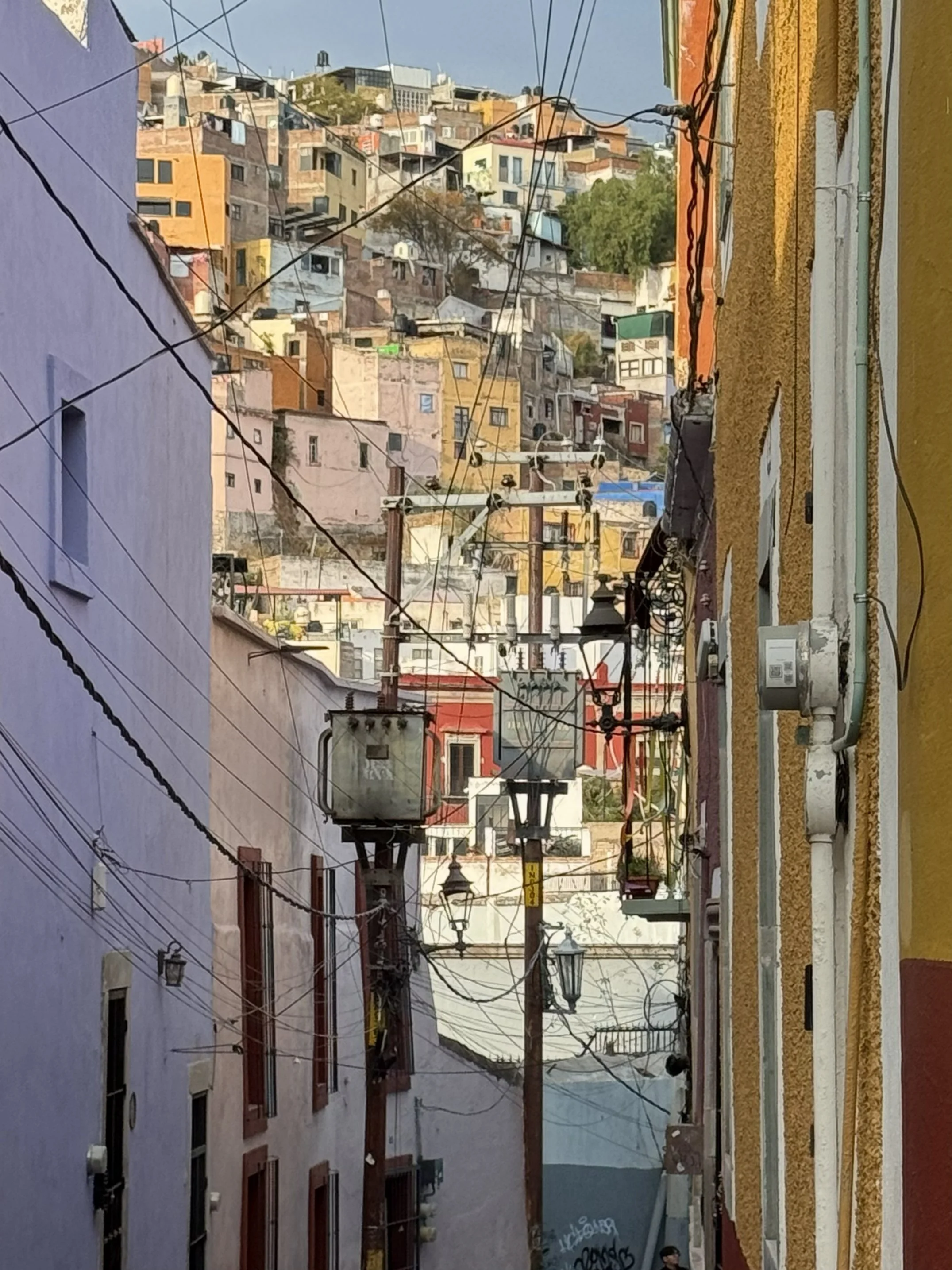
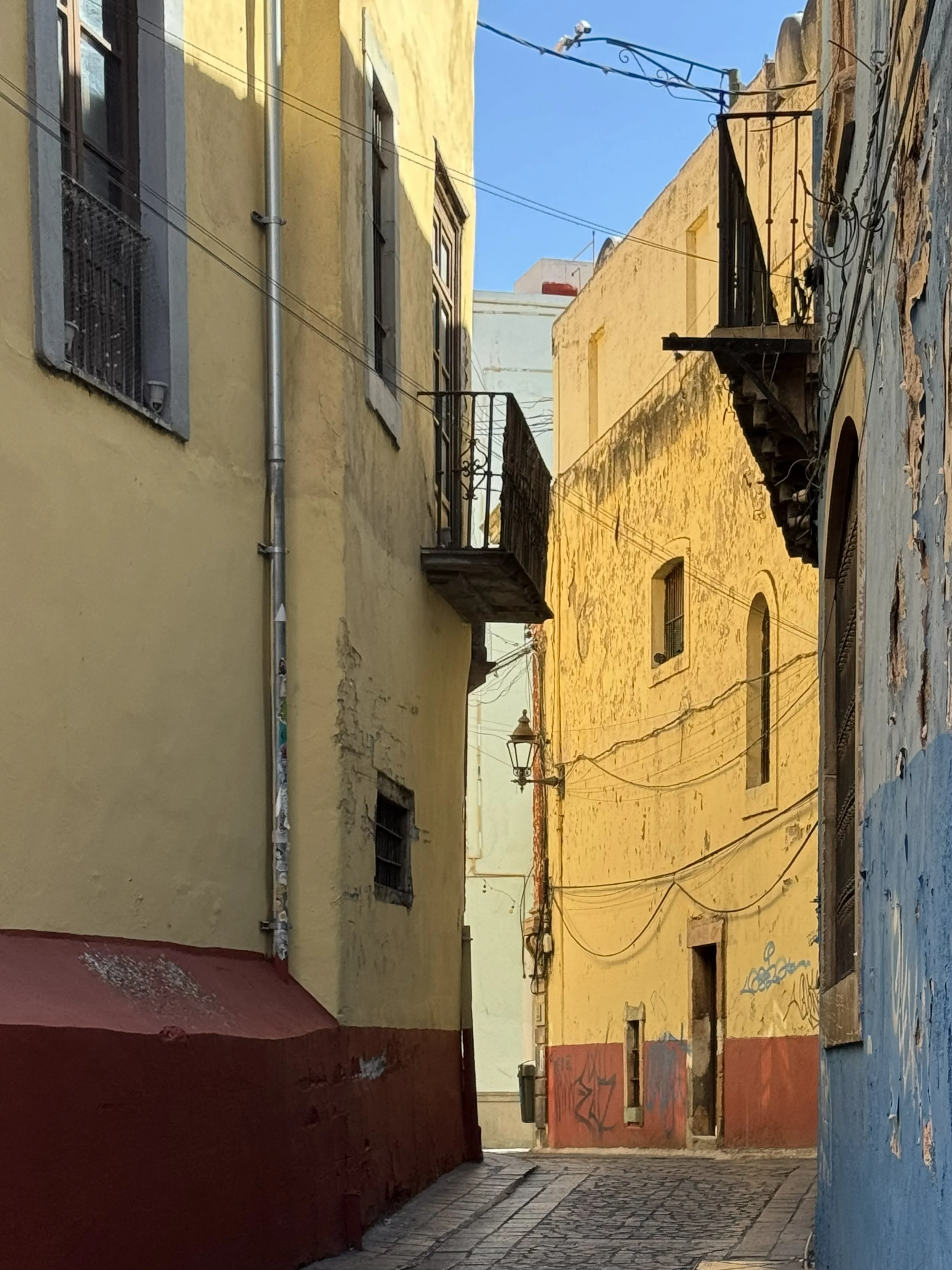
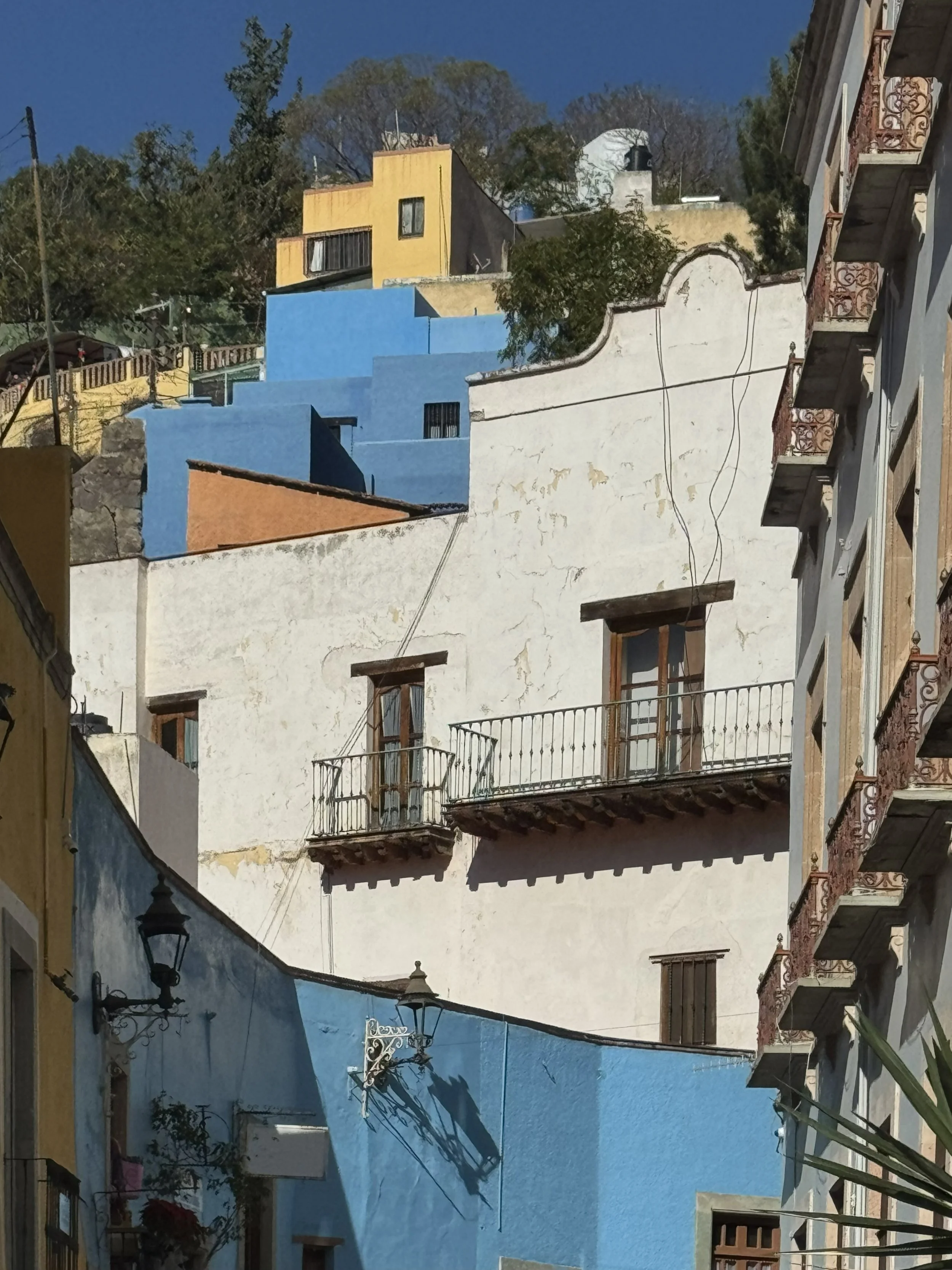
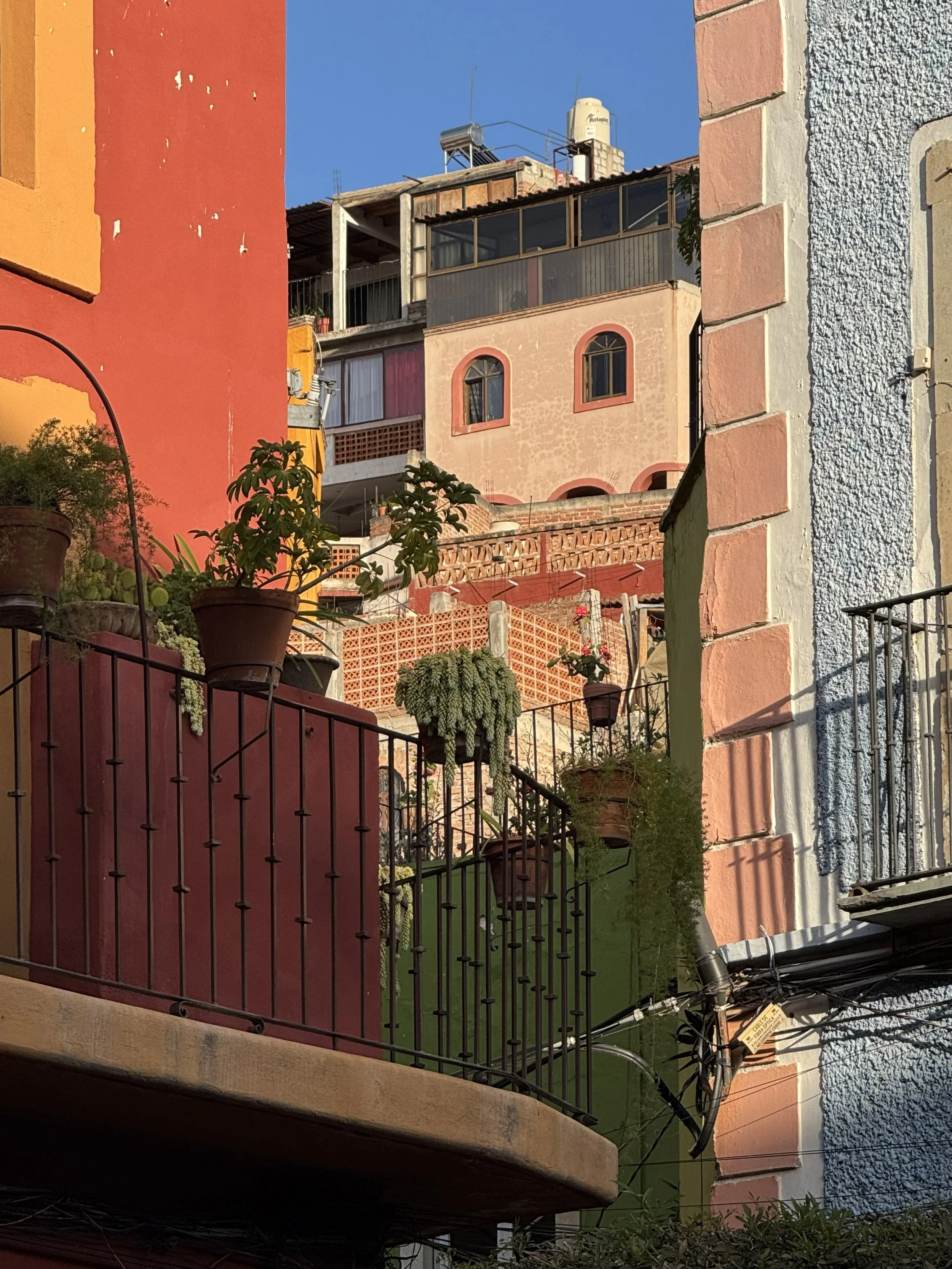
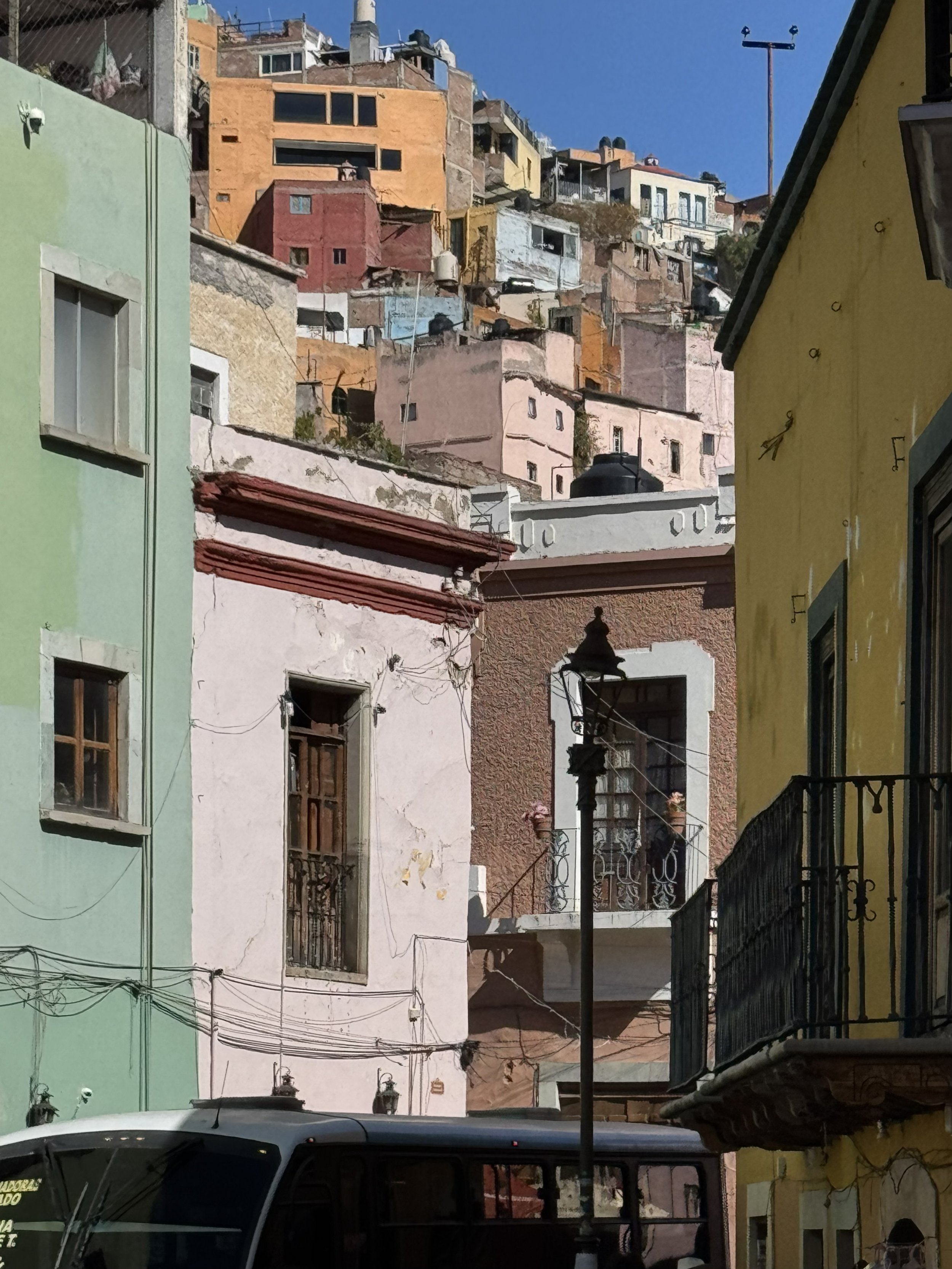
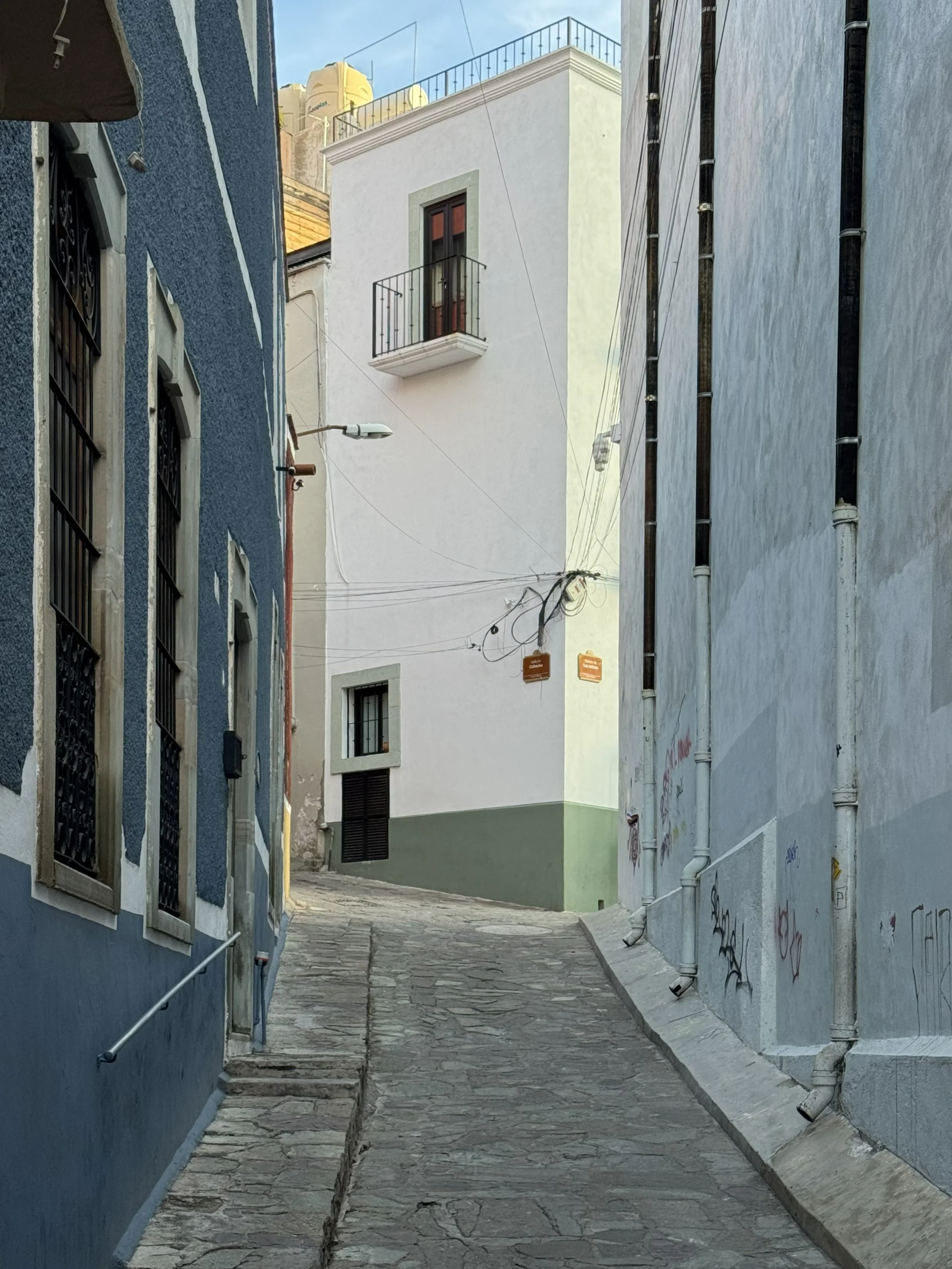
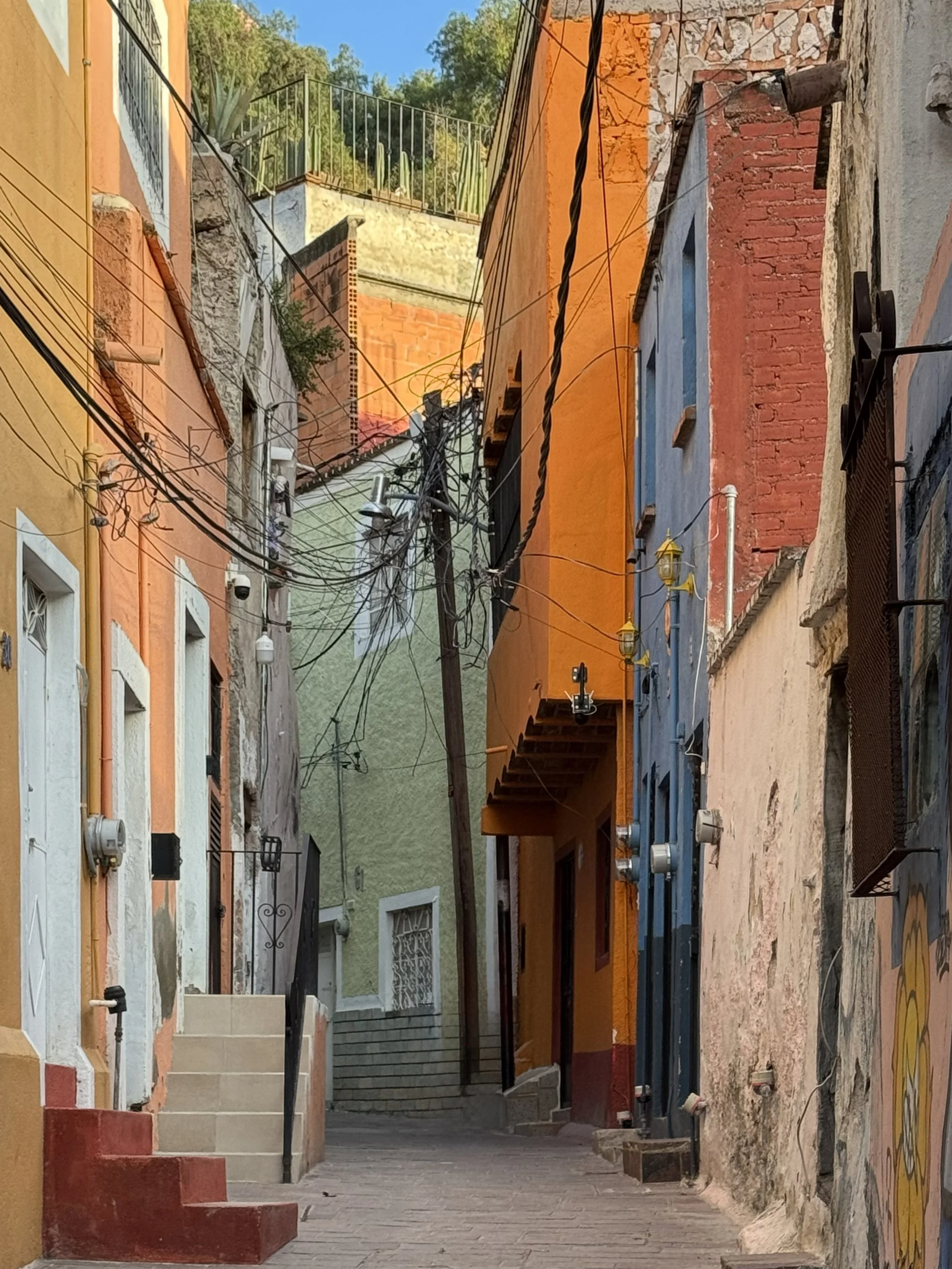
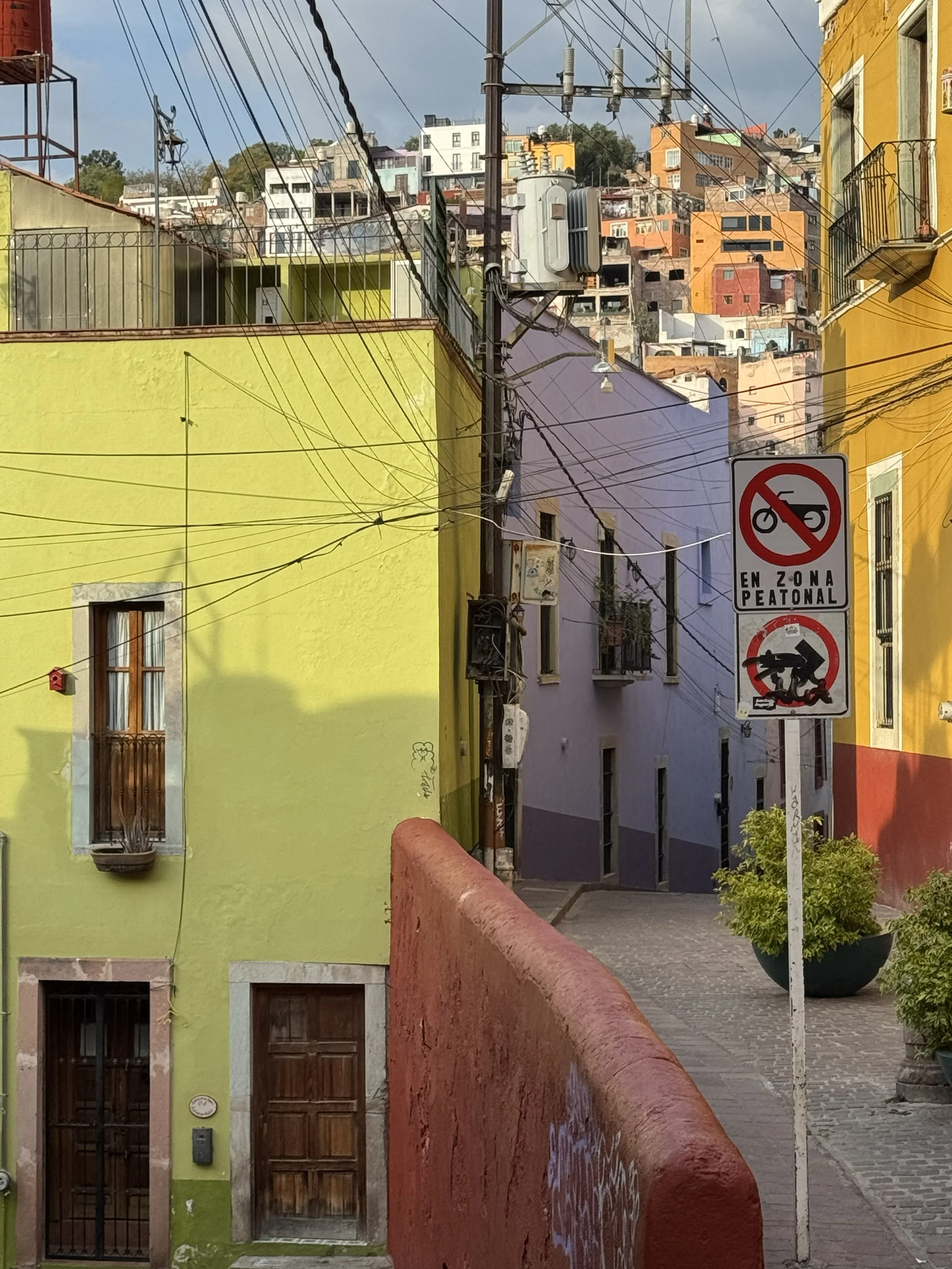
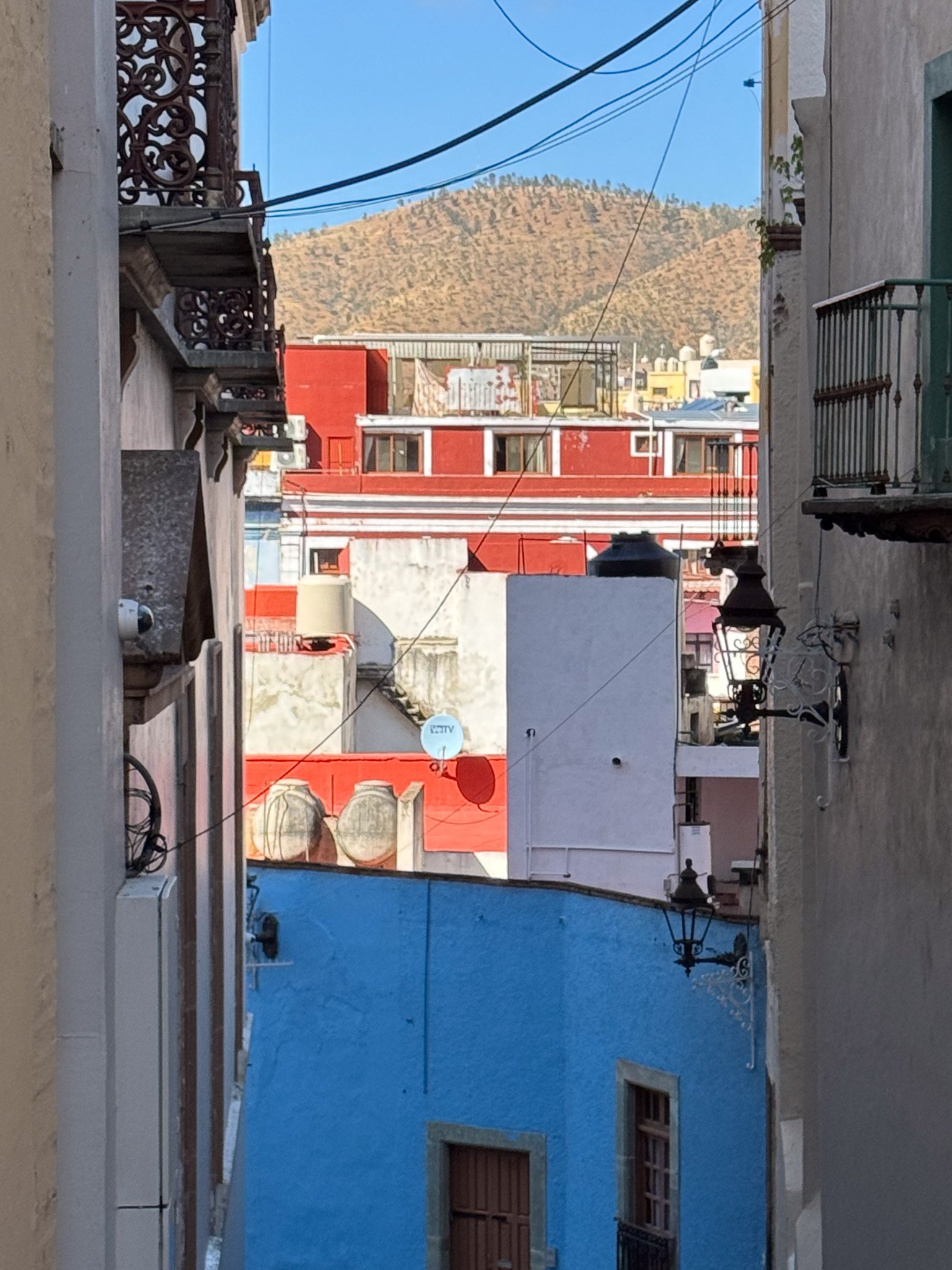
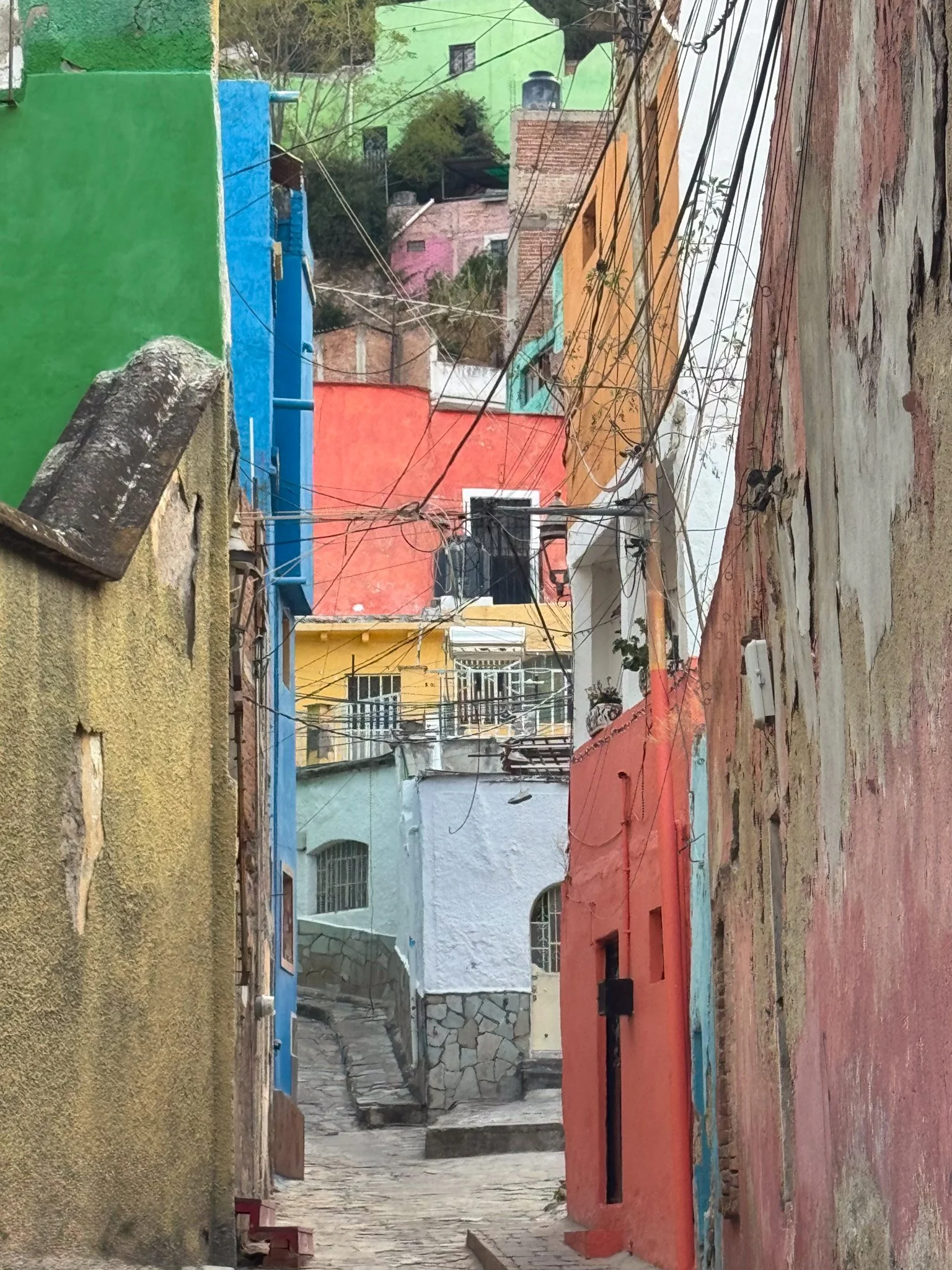
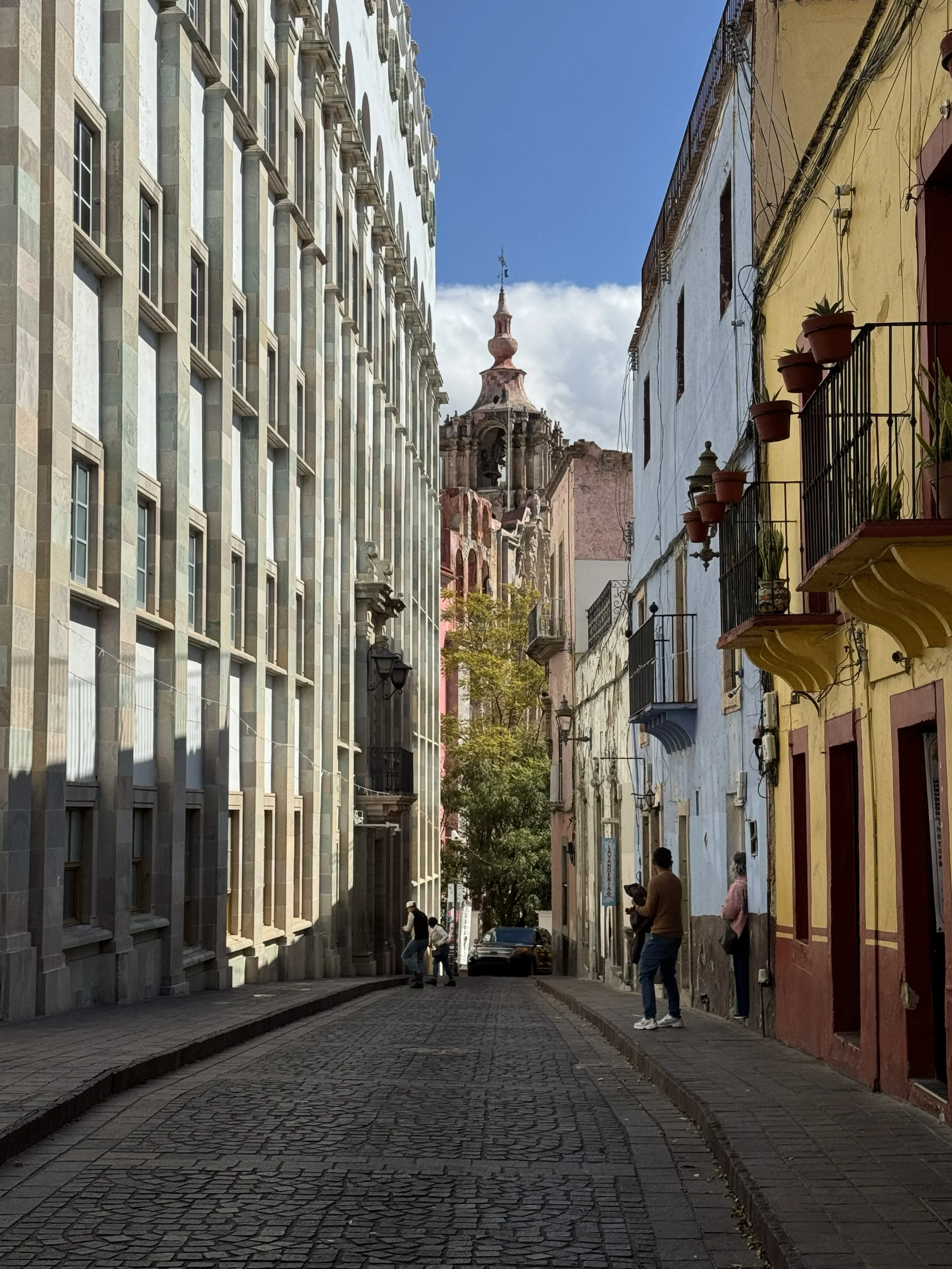
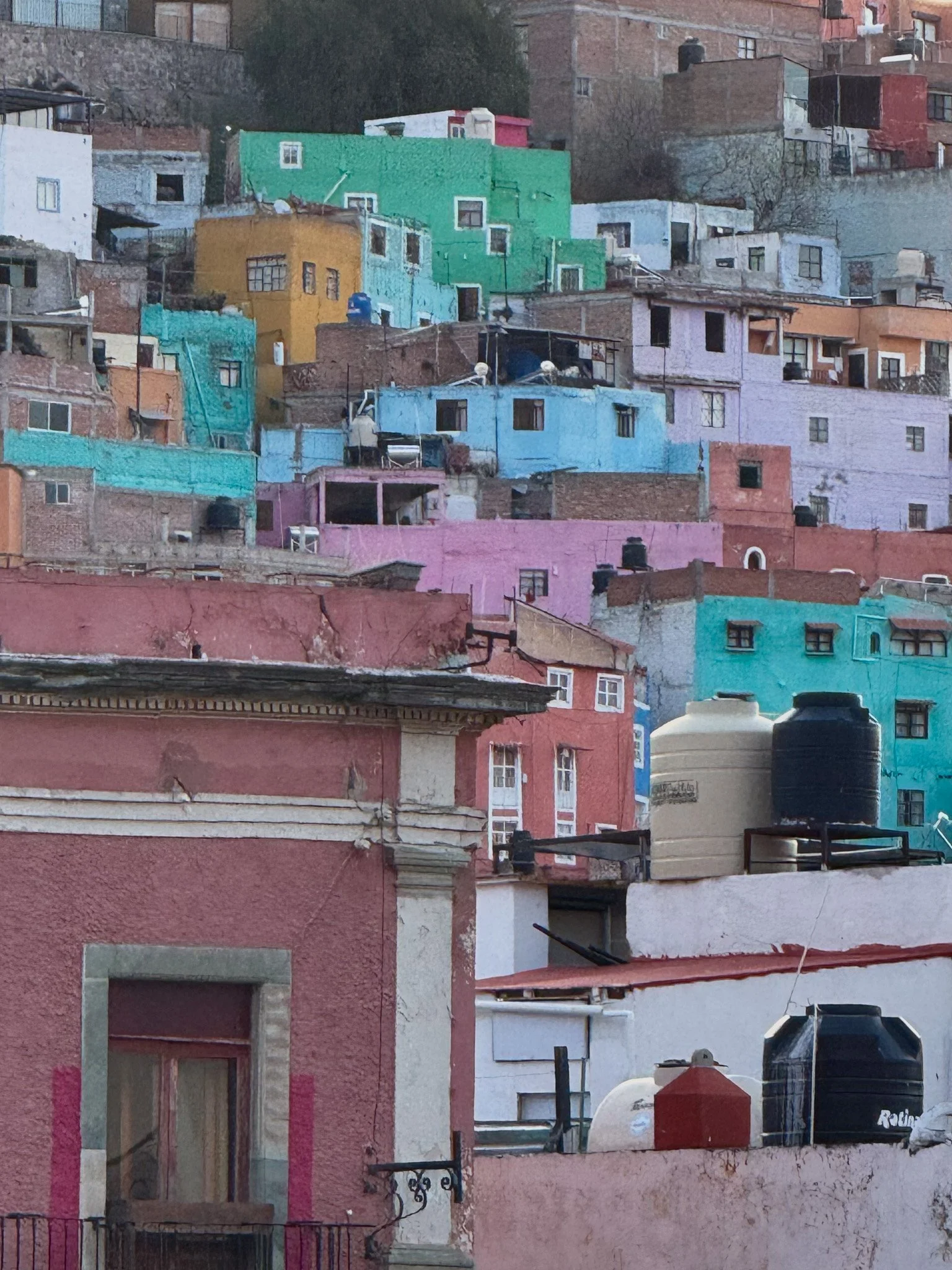
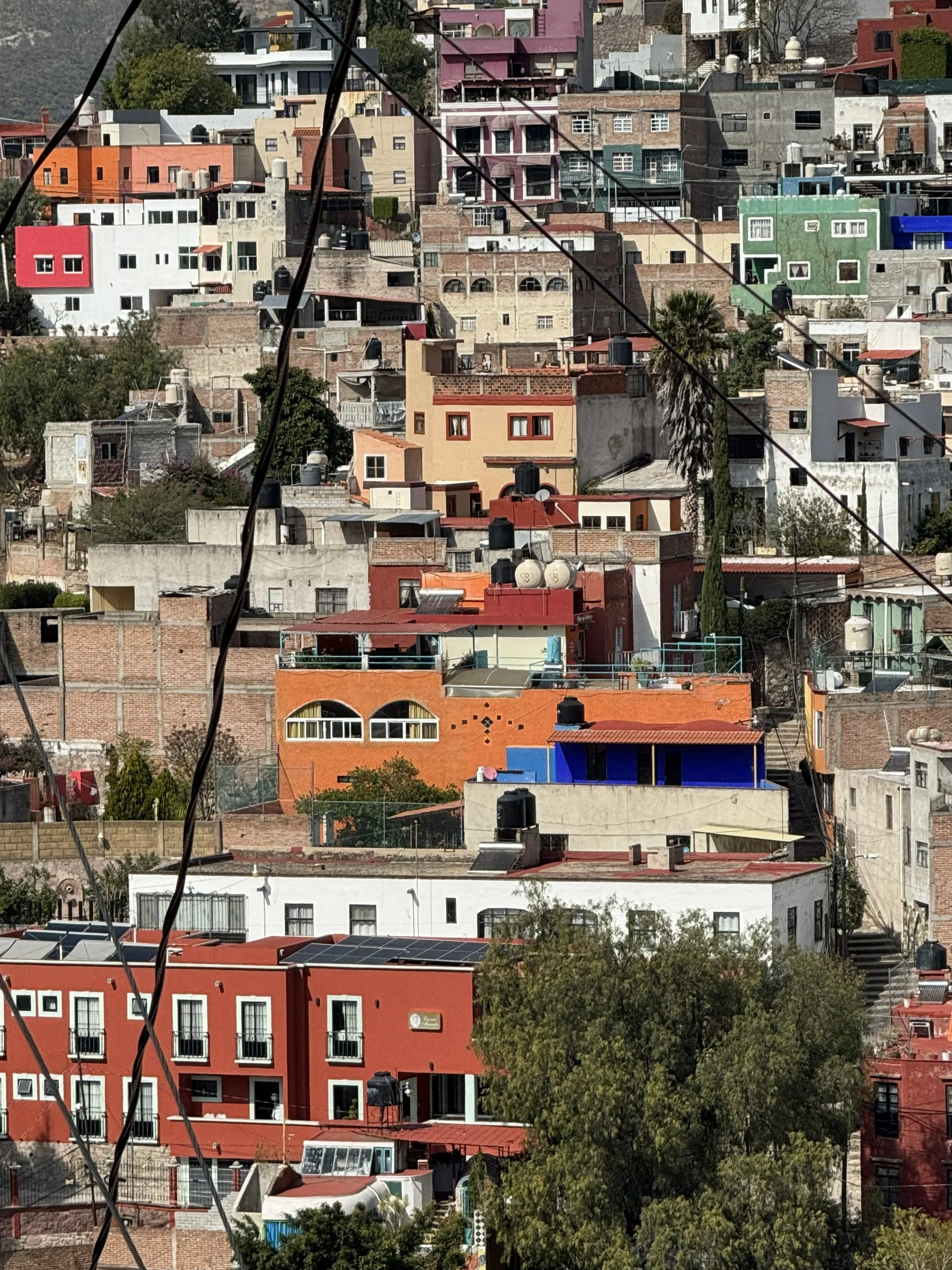
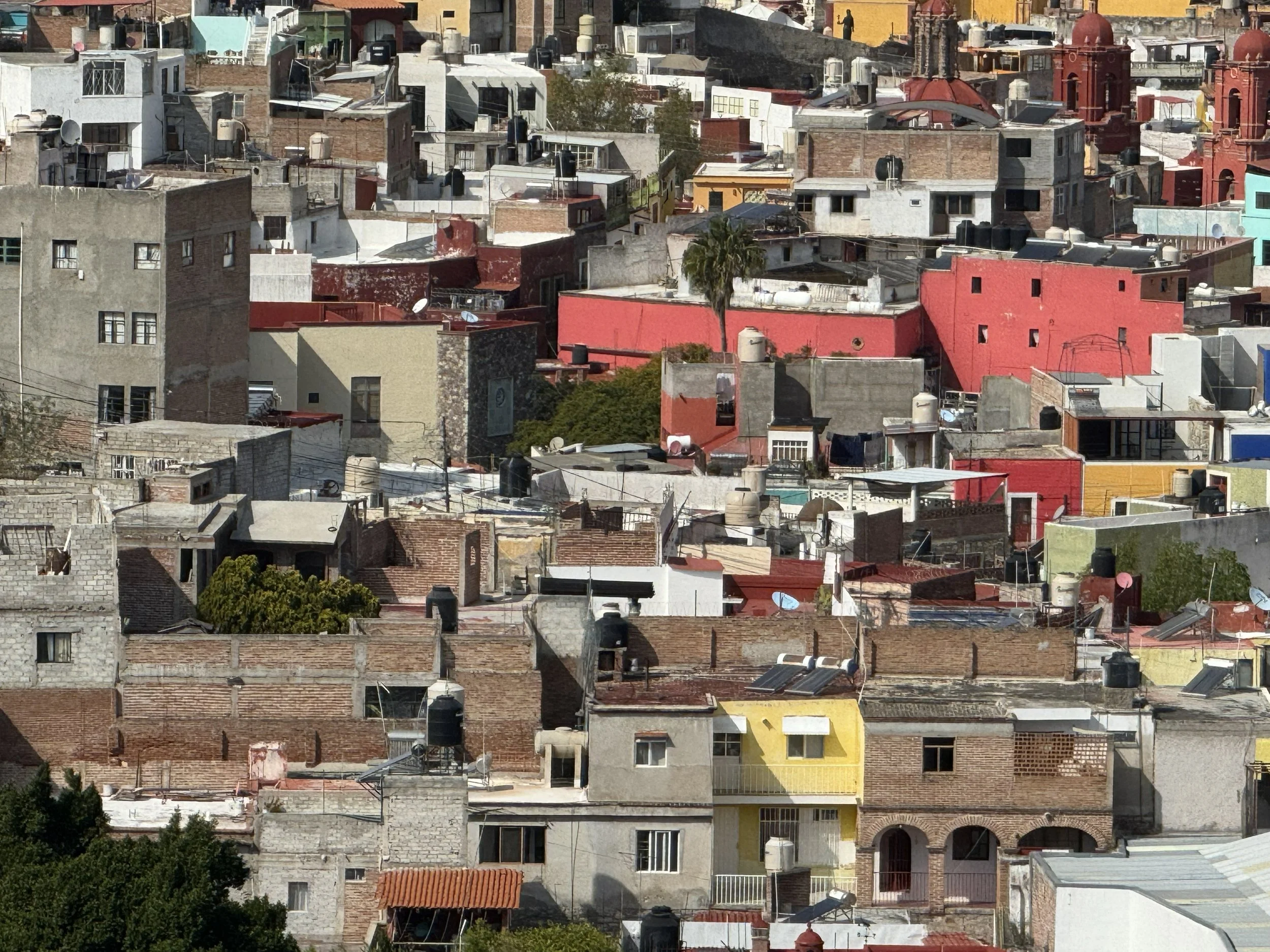
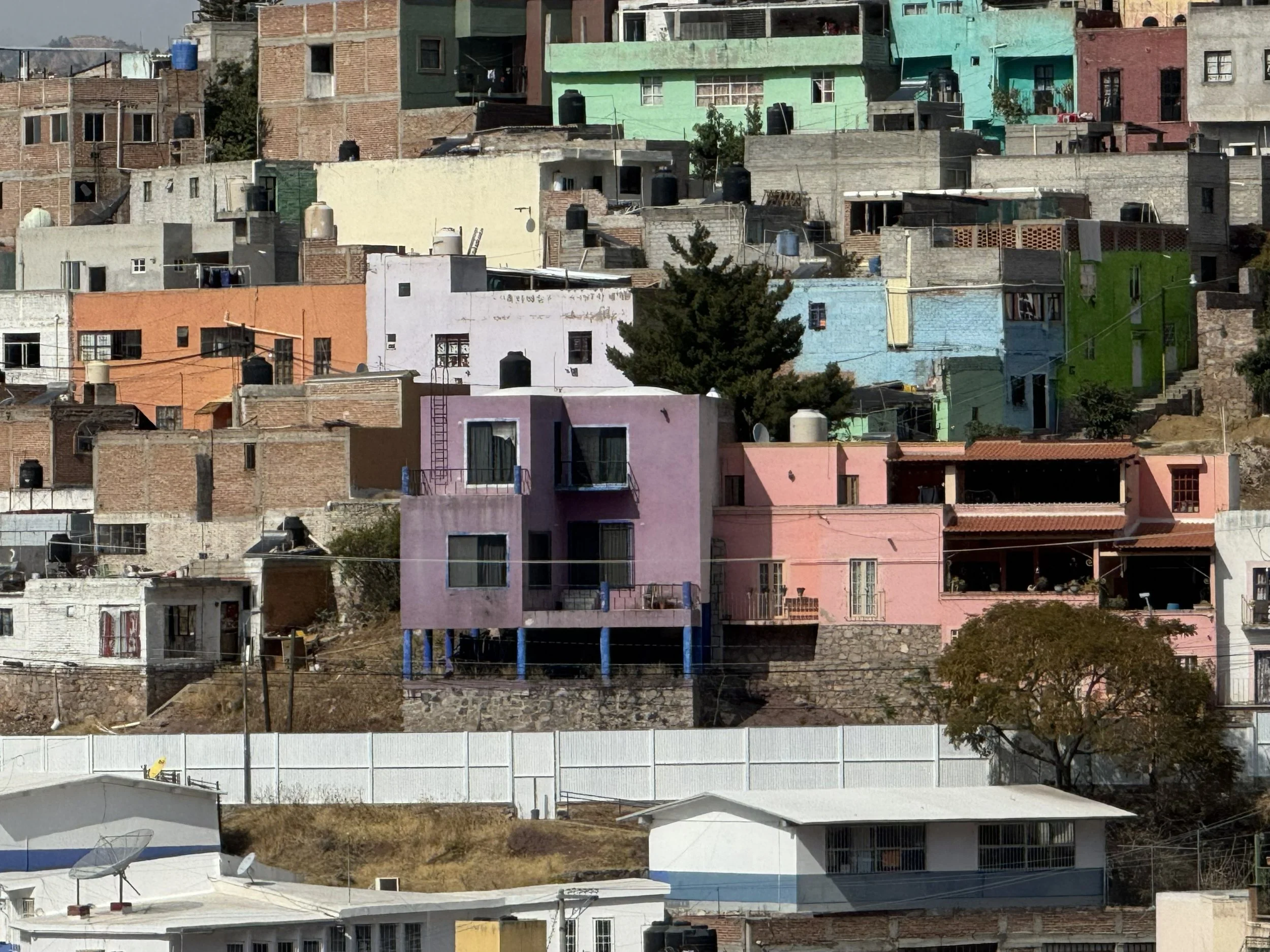
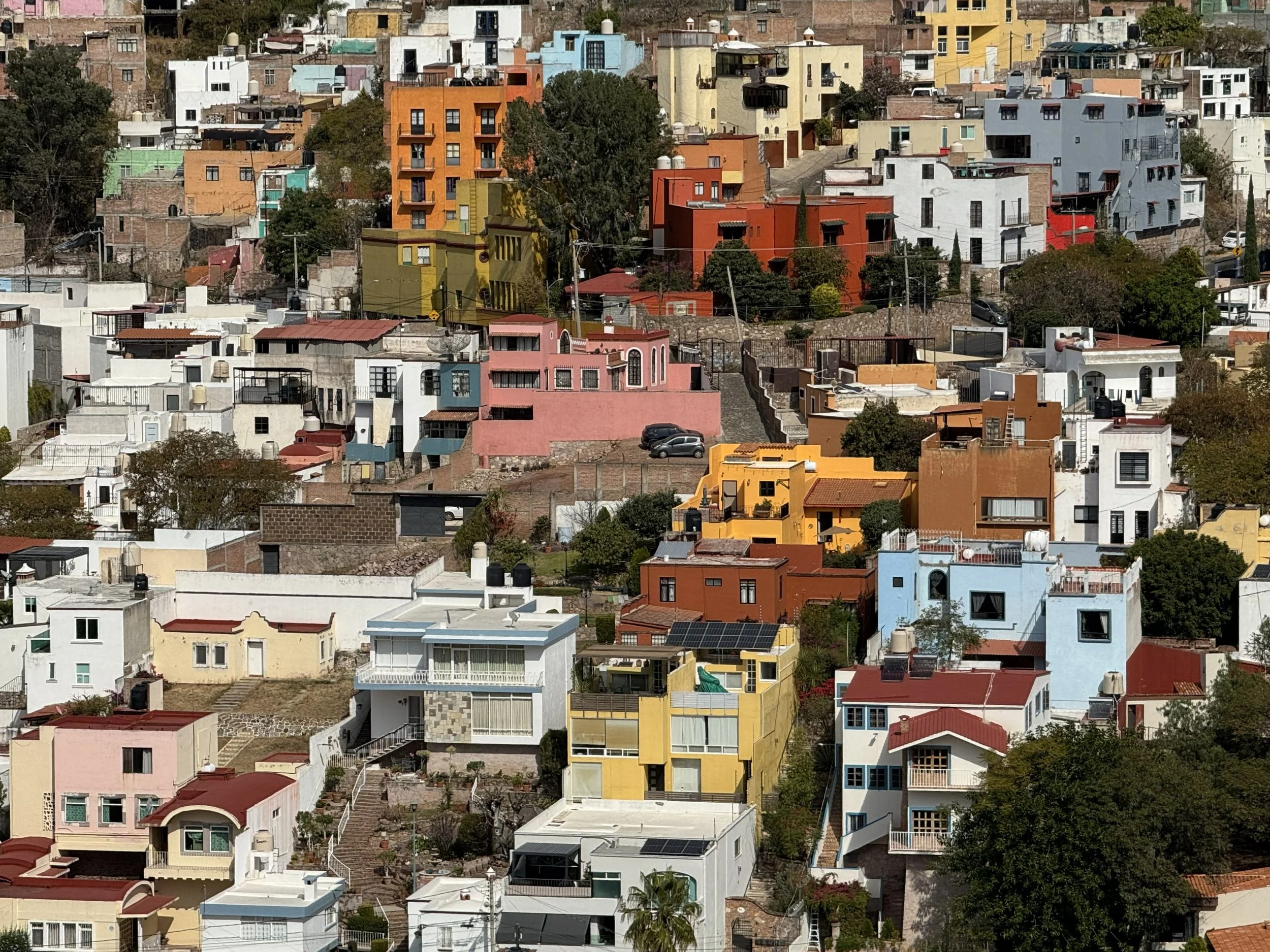
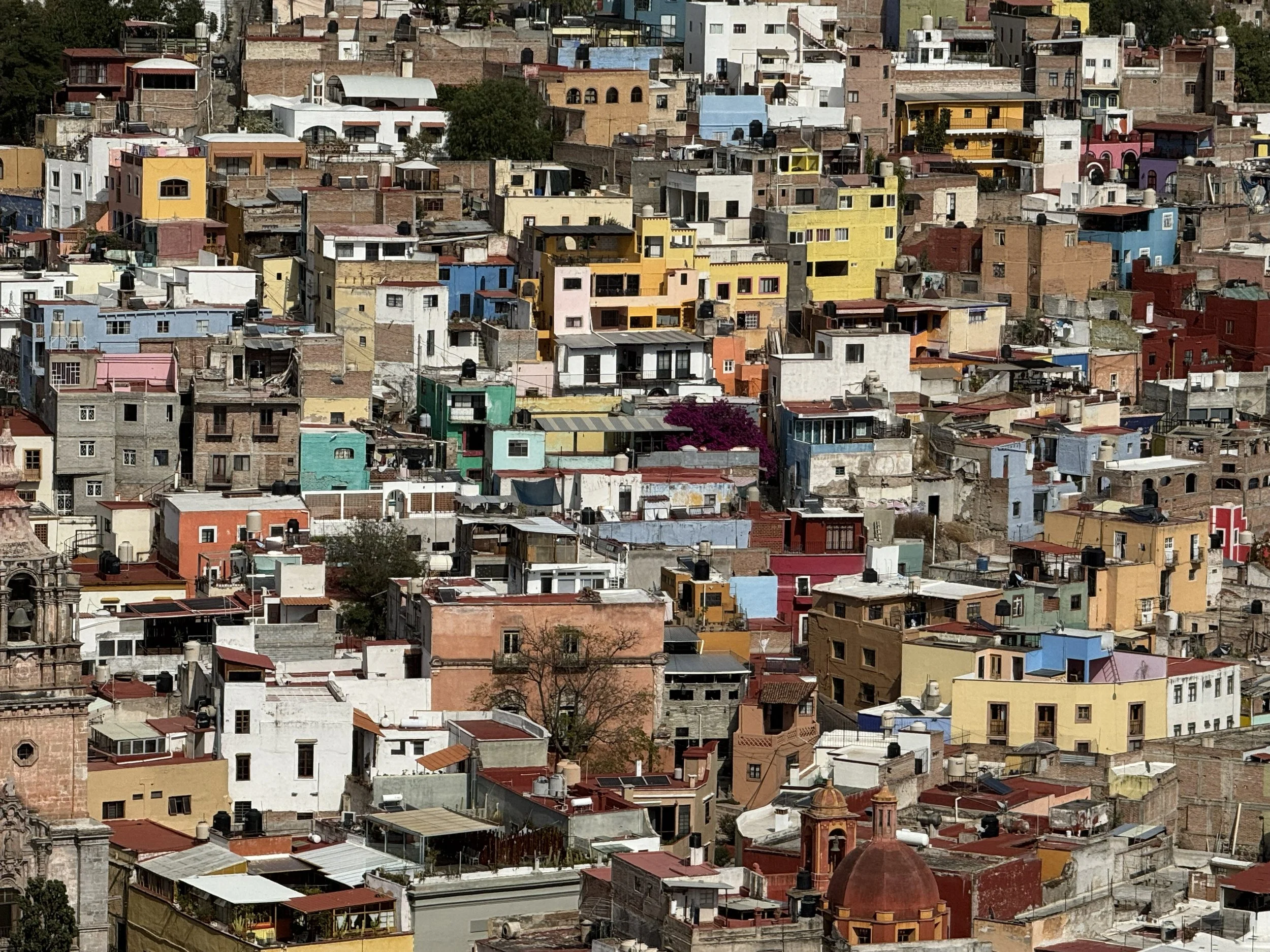
The city is built in narrow valleys carved by rivers and mines. Streets twist, split, and dive into tunnels; buildings rise in irregular tiers often with no clear front or back. Rooflines step dramatically up the hillsides, creating a patchwork cityscape of dense continuous fabric.
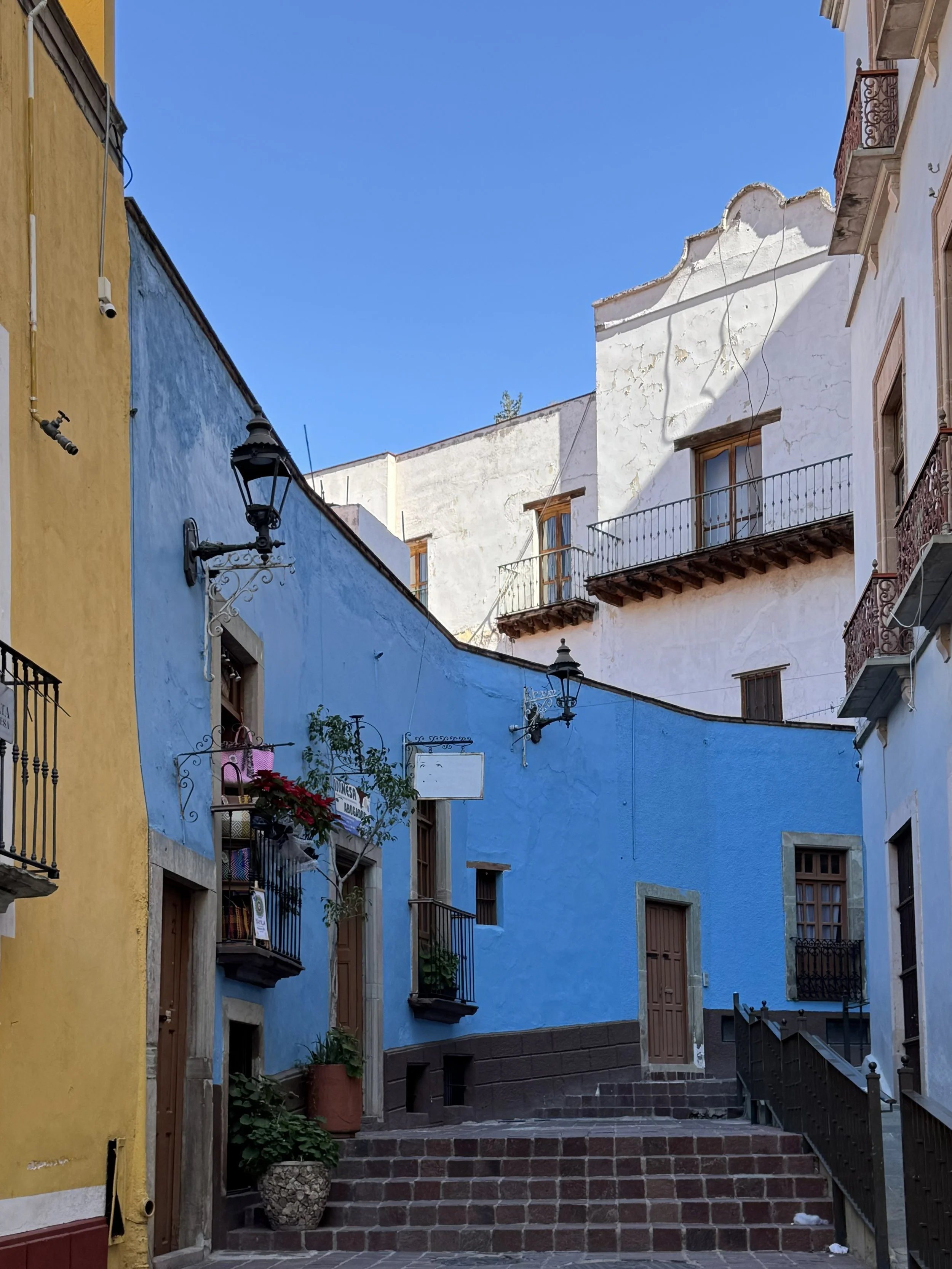
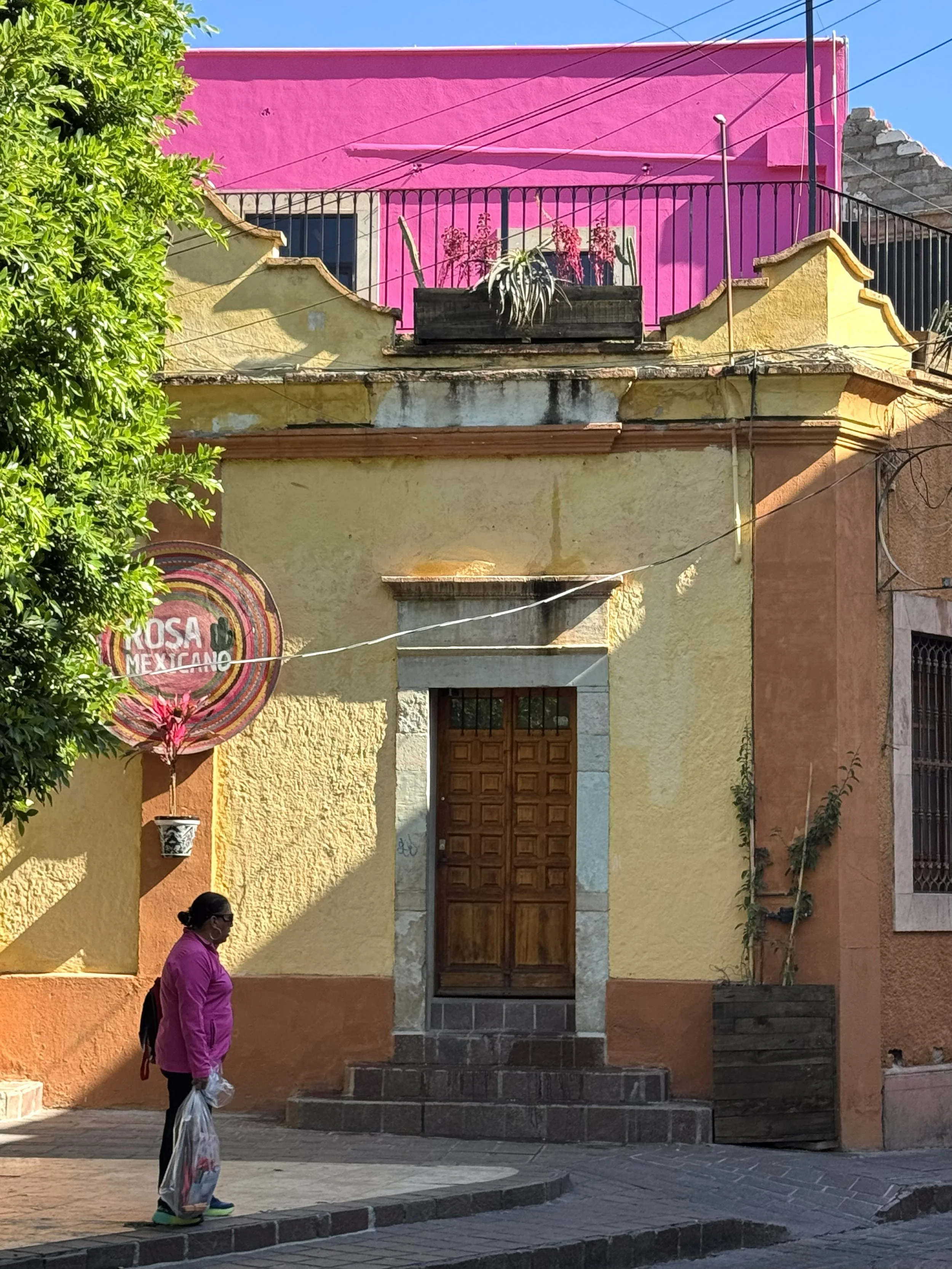
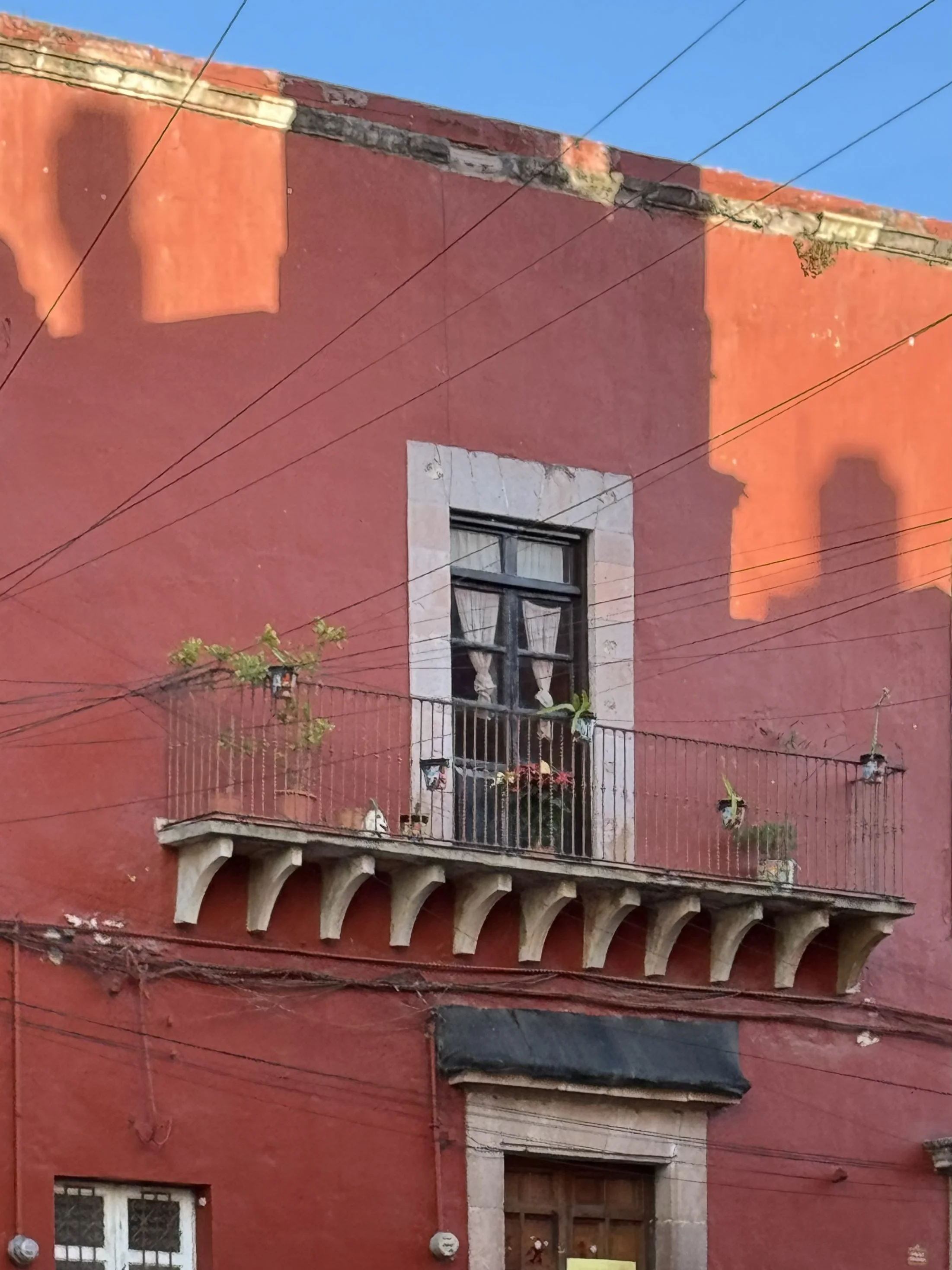
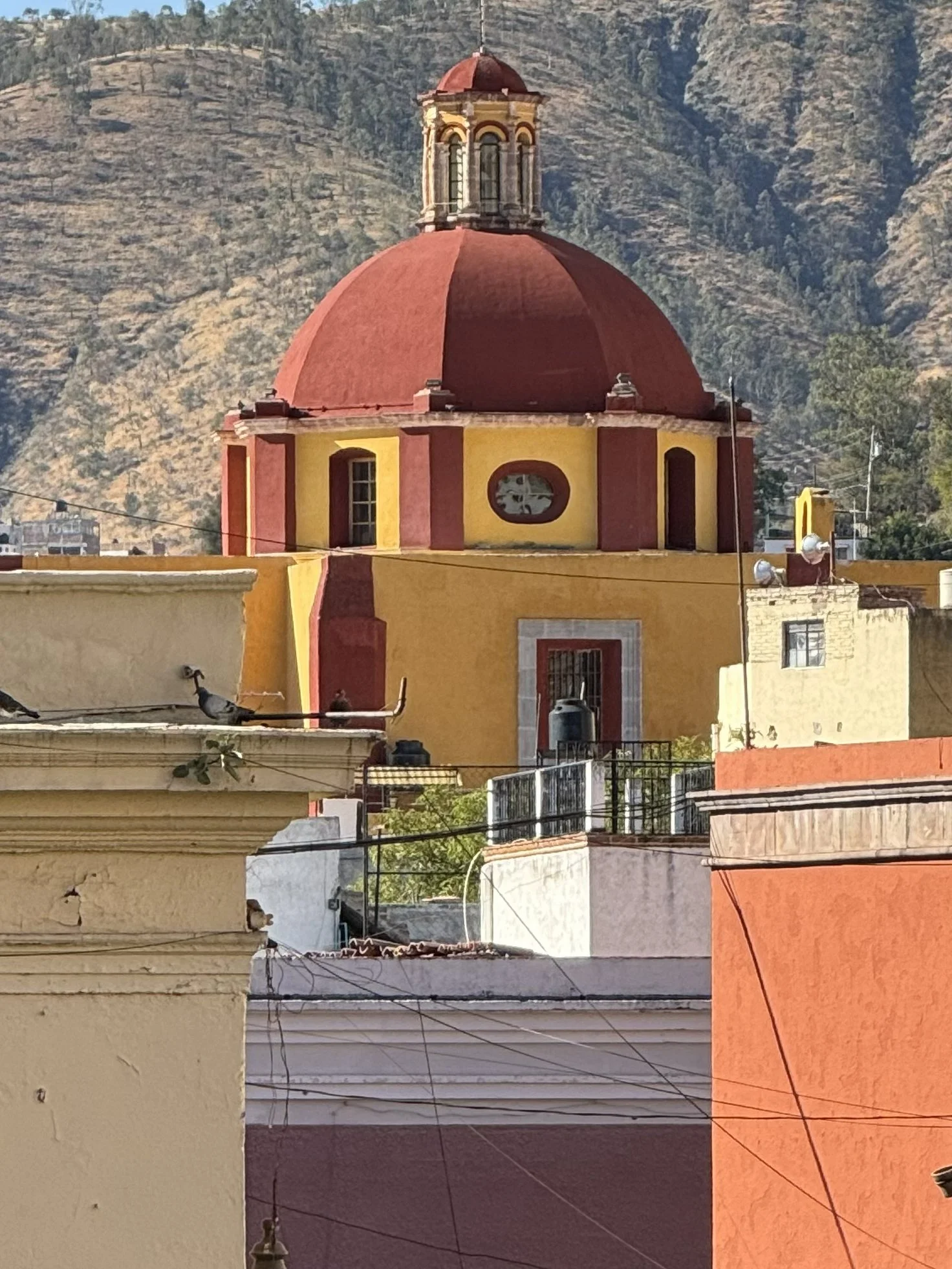
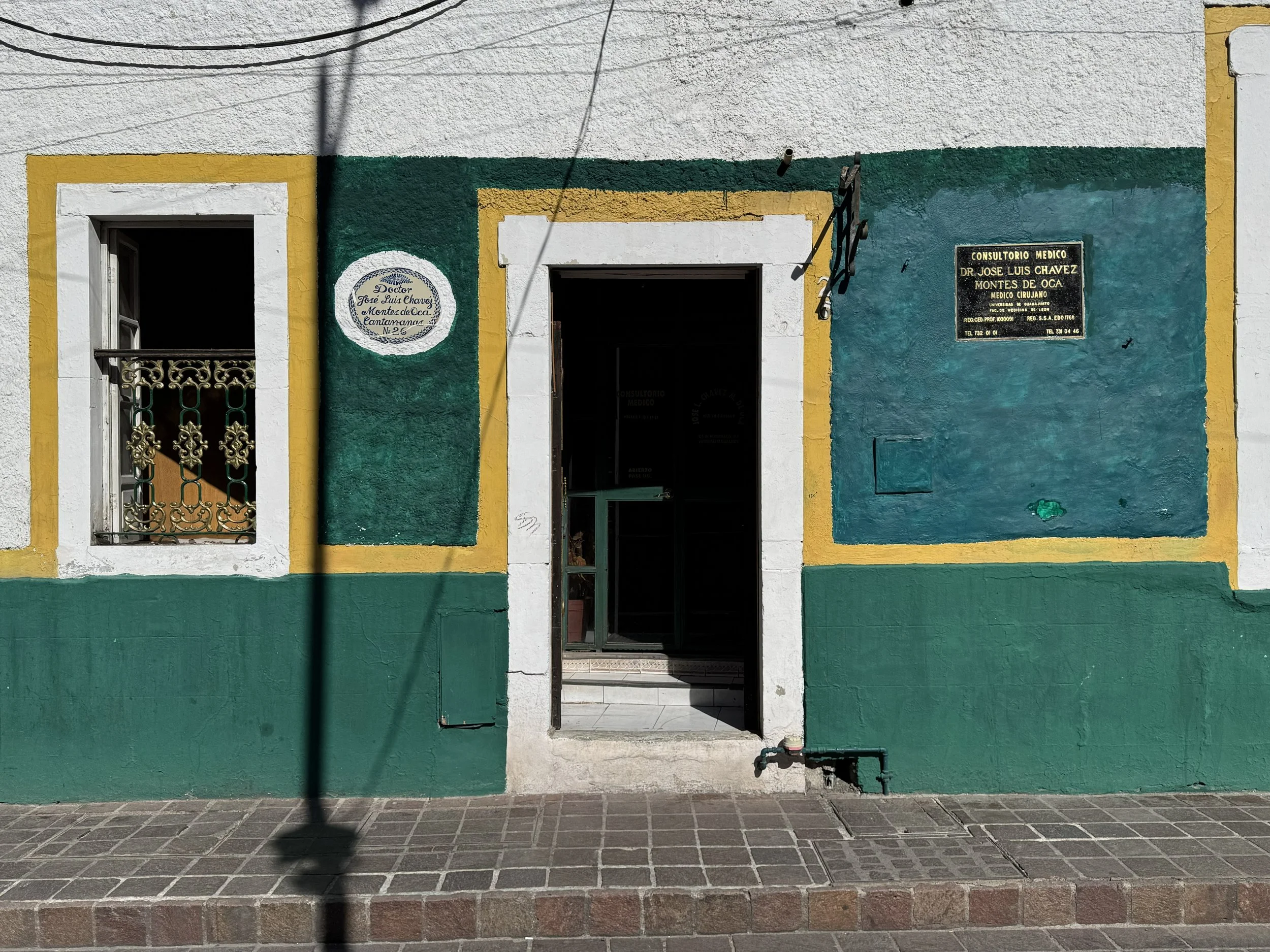
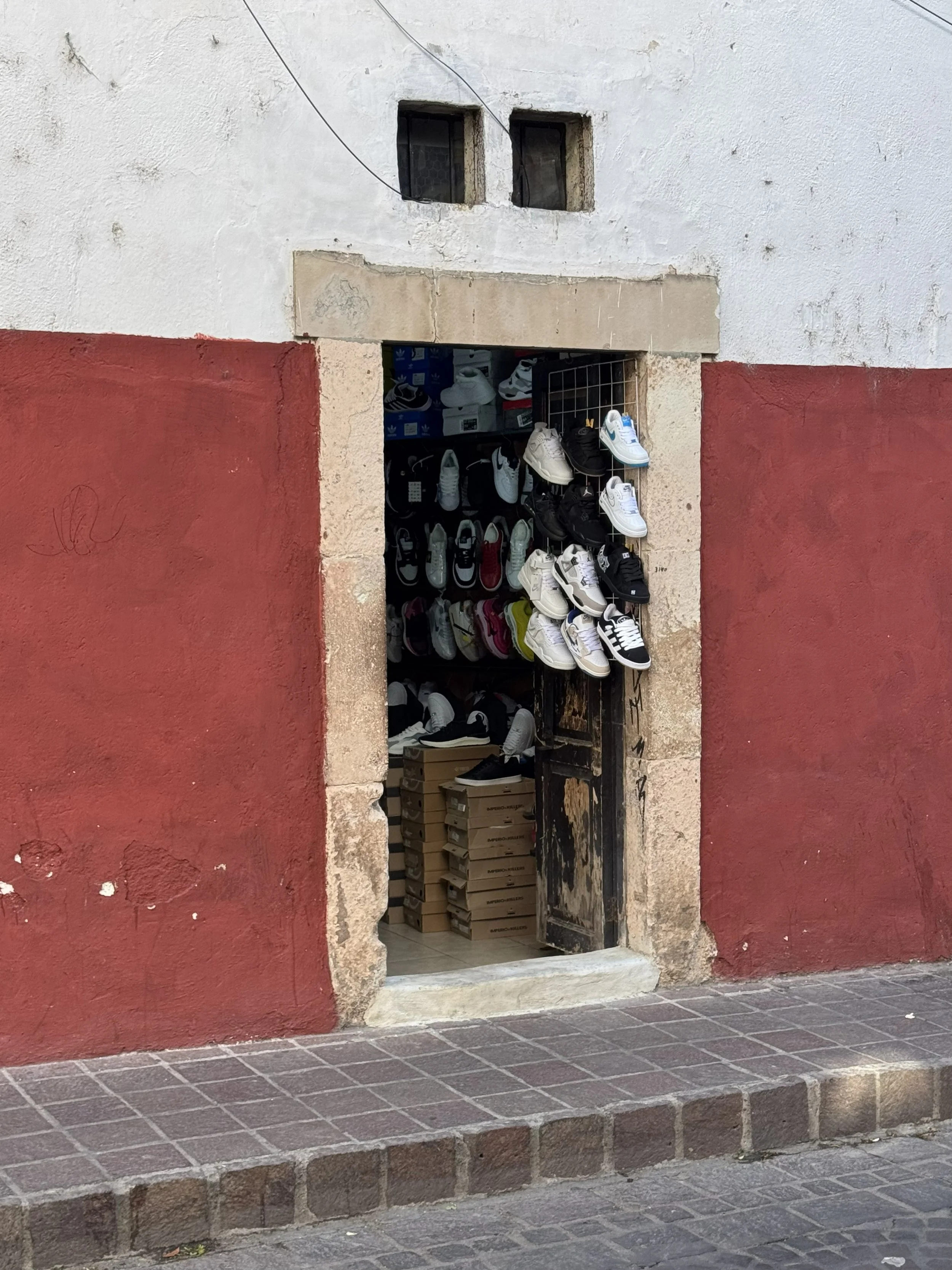
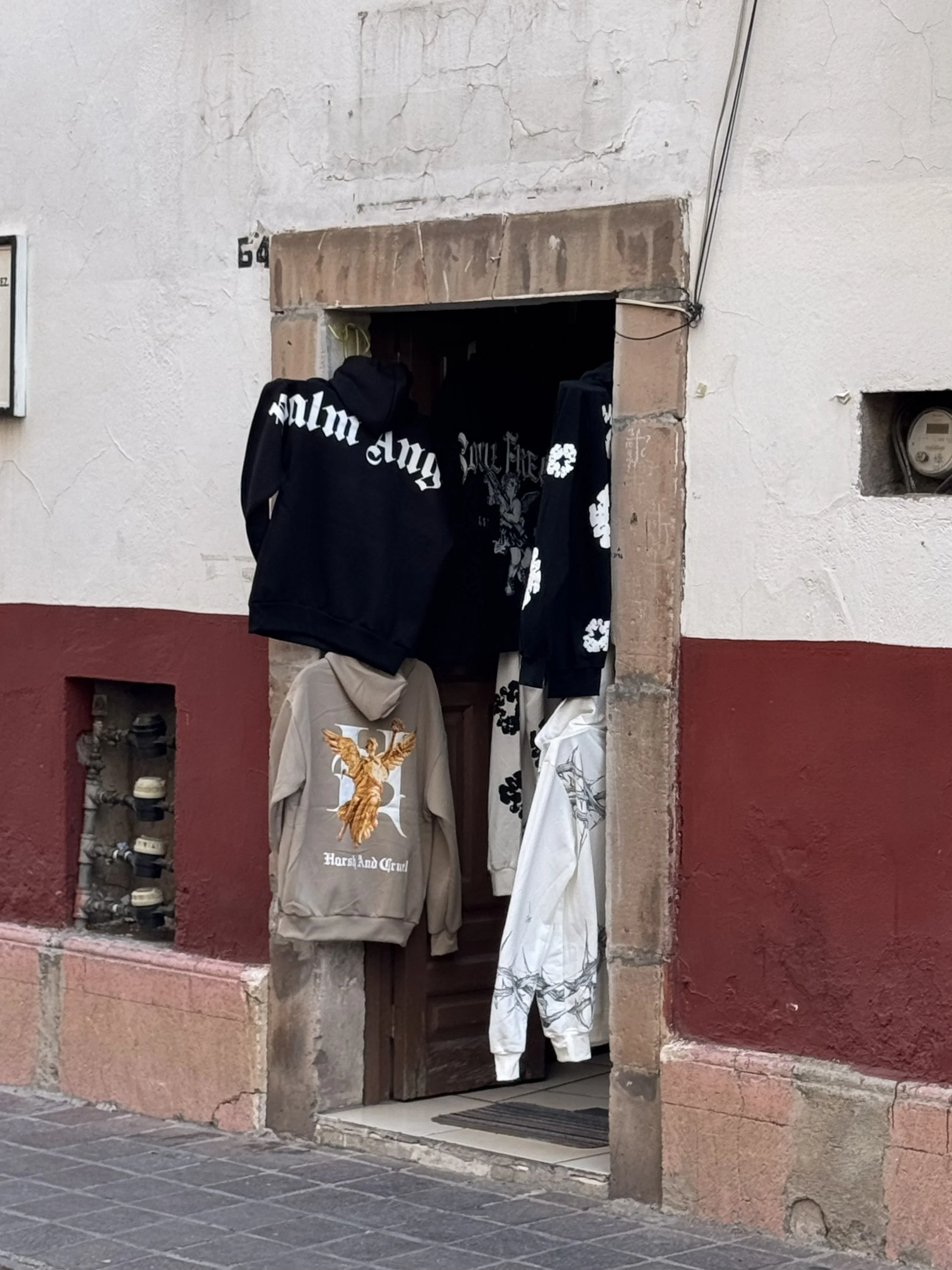
Buildings are masonry—local stone, brick, and thick plastered walls. Roofs are flat and often used as terraces. Windows and doors are deeply set, with heavy wood shutters and iron grilles.
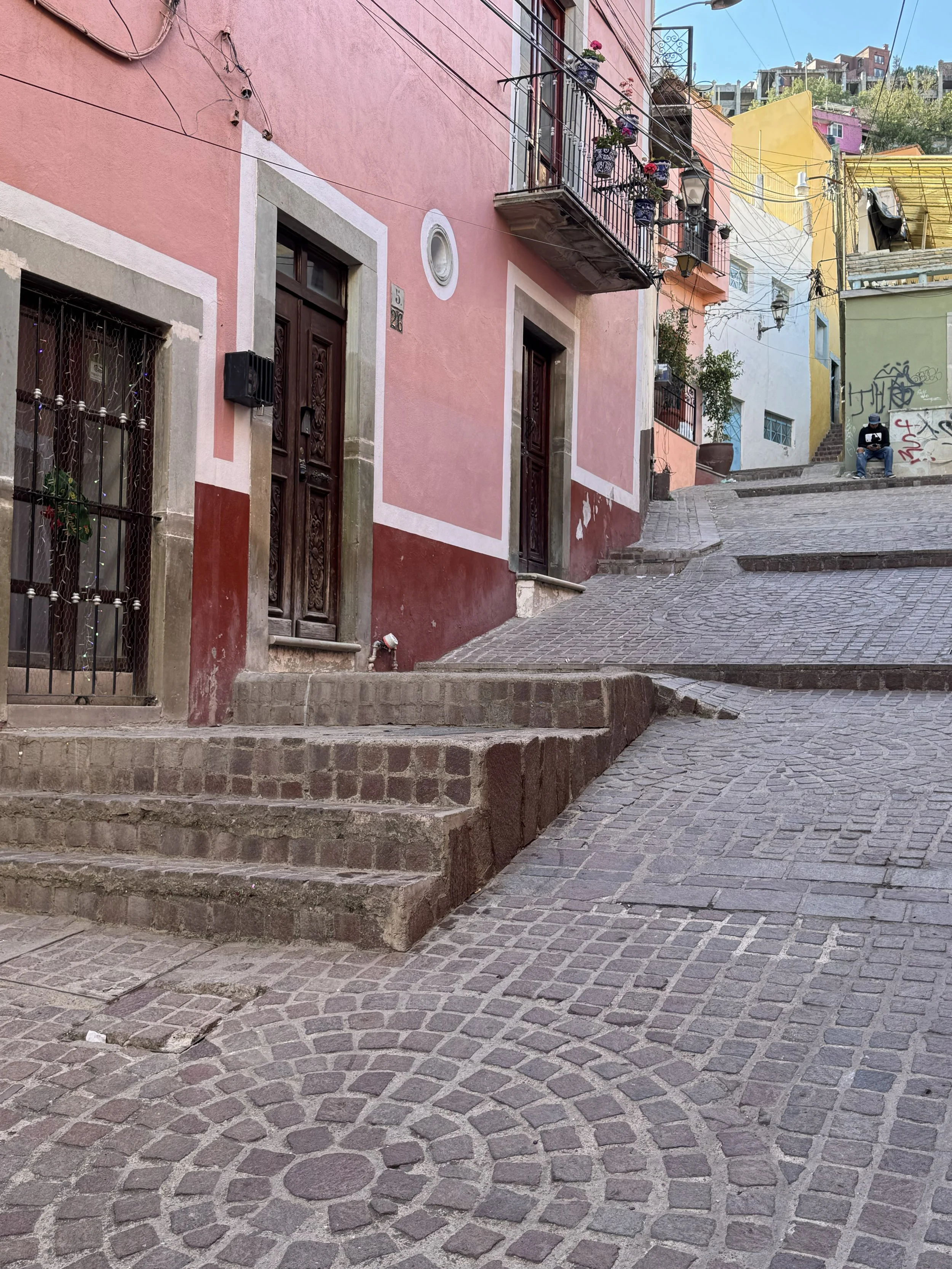
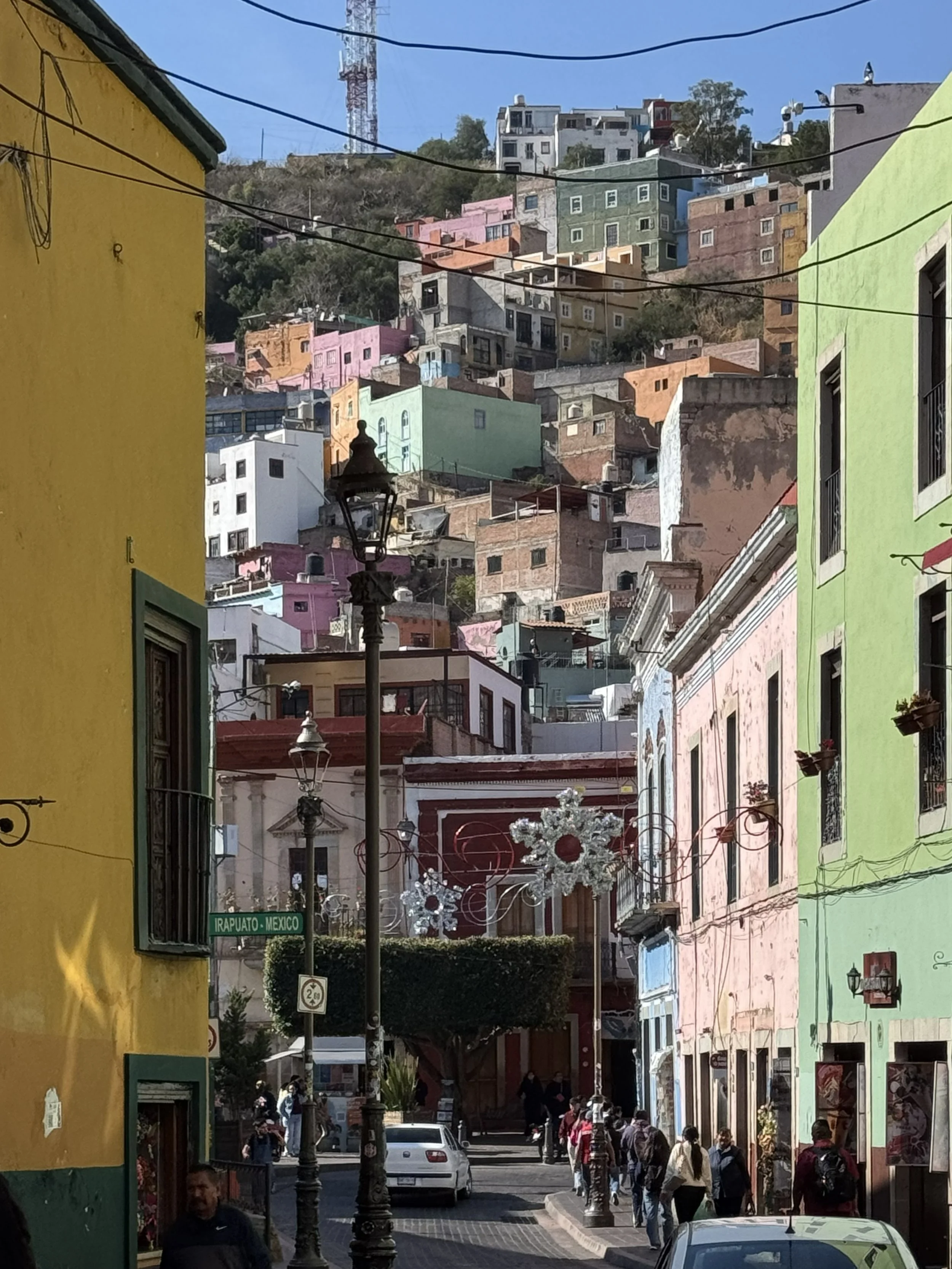
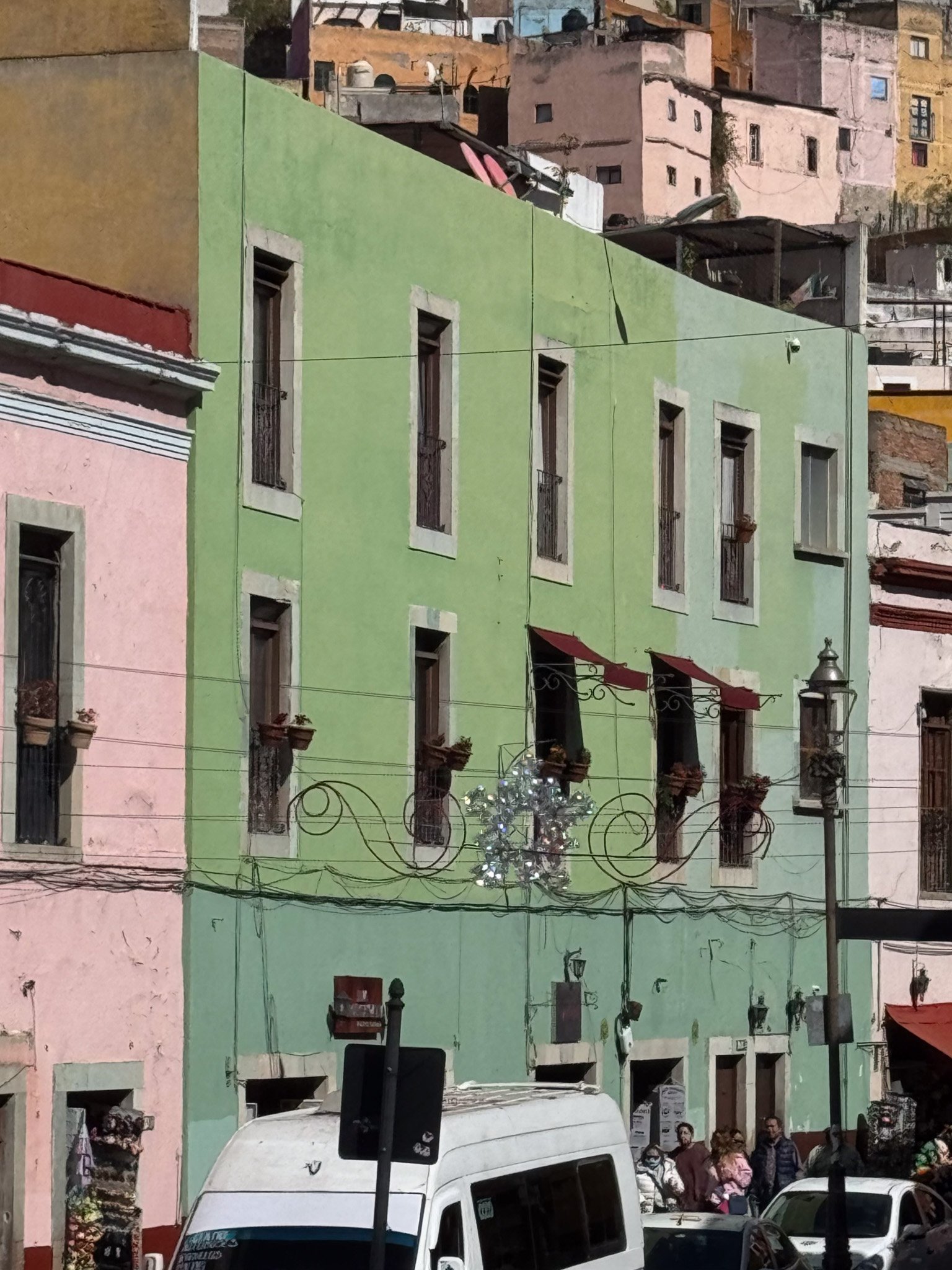
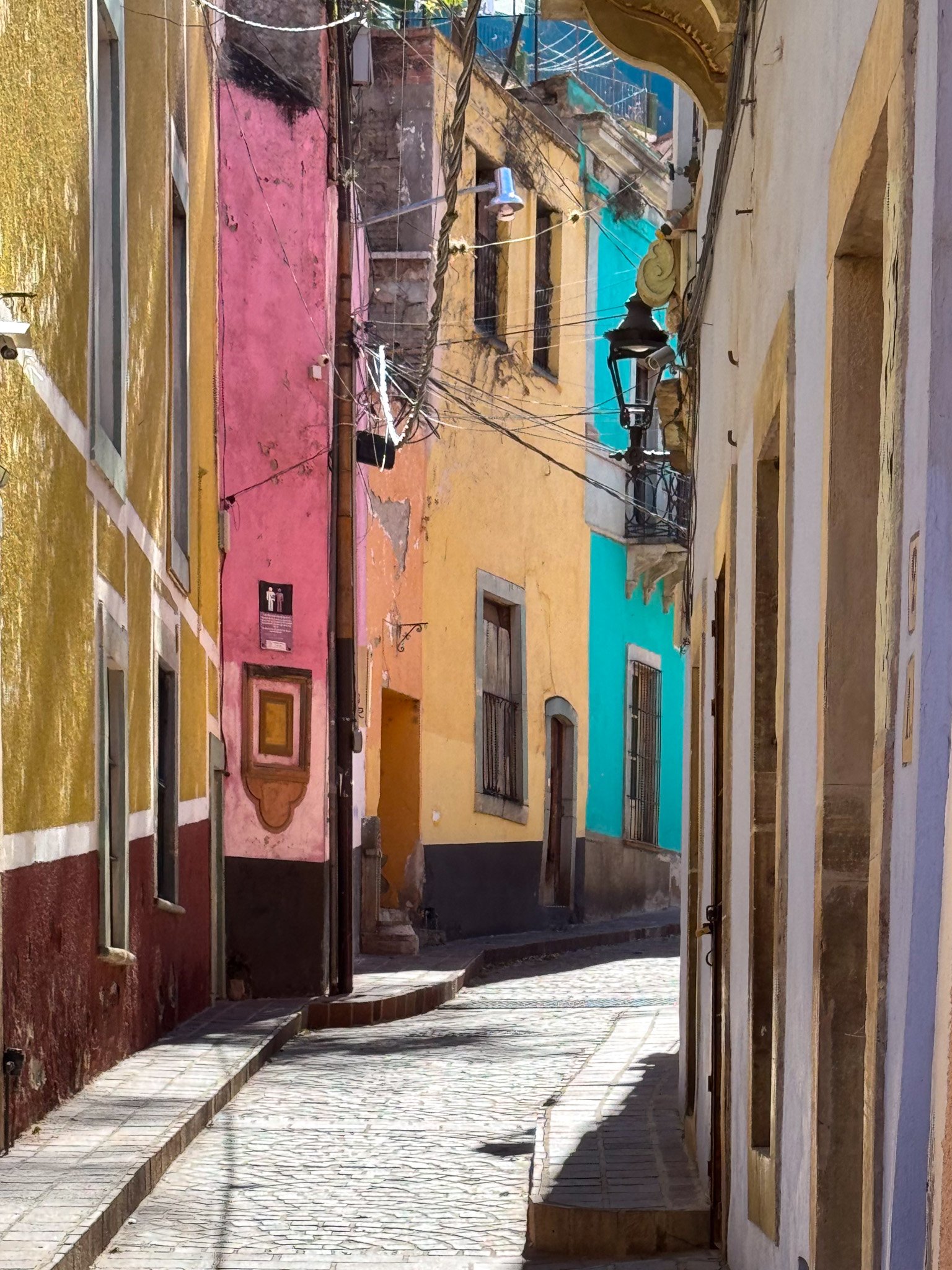
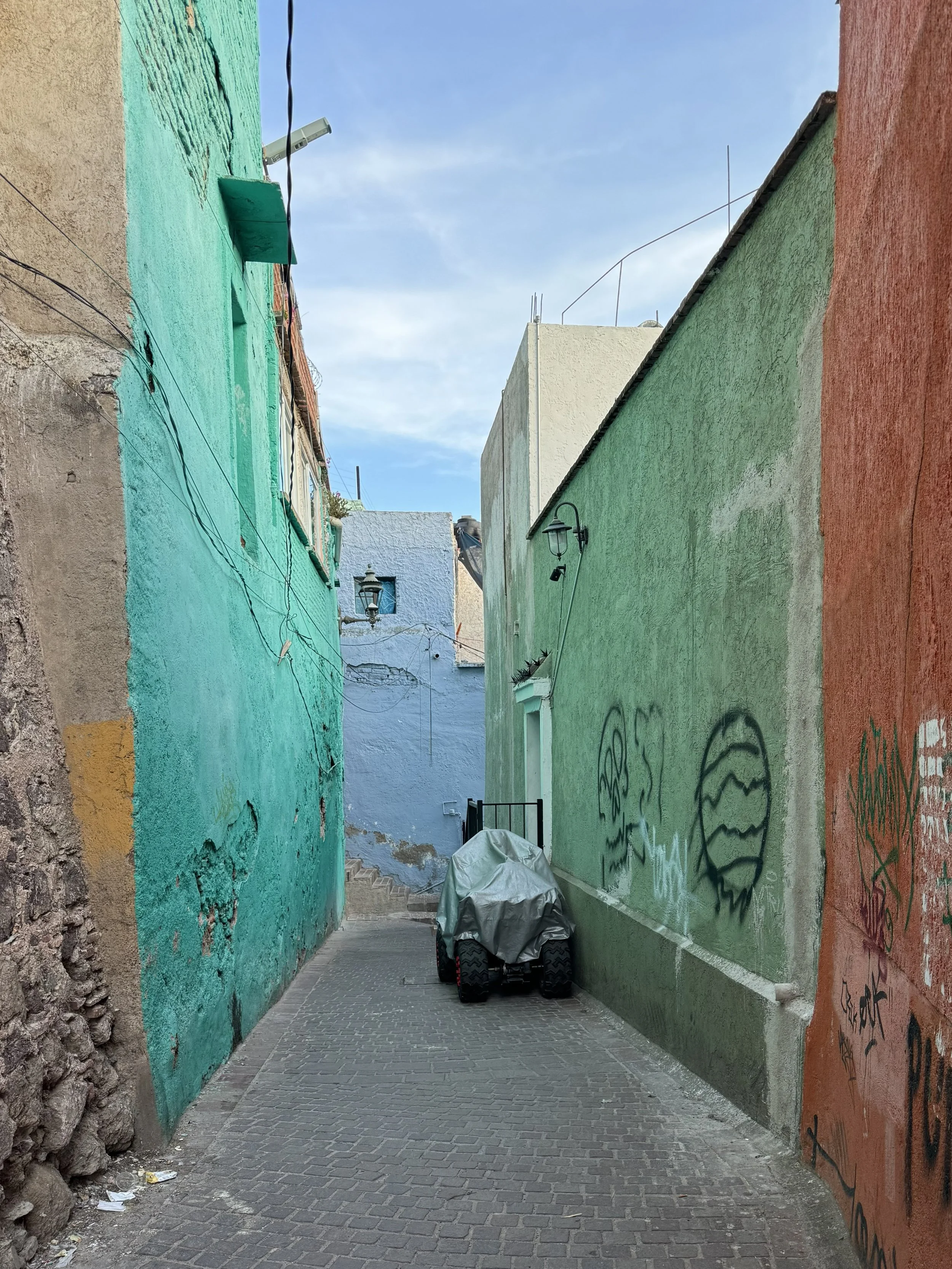
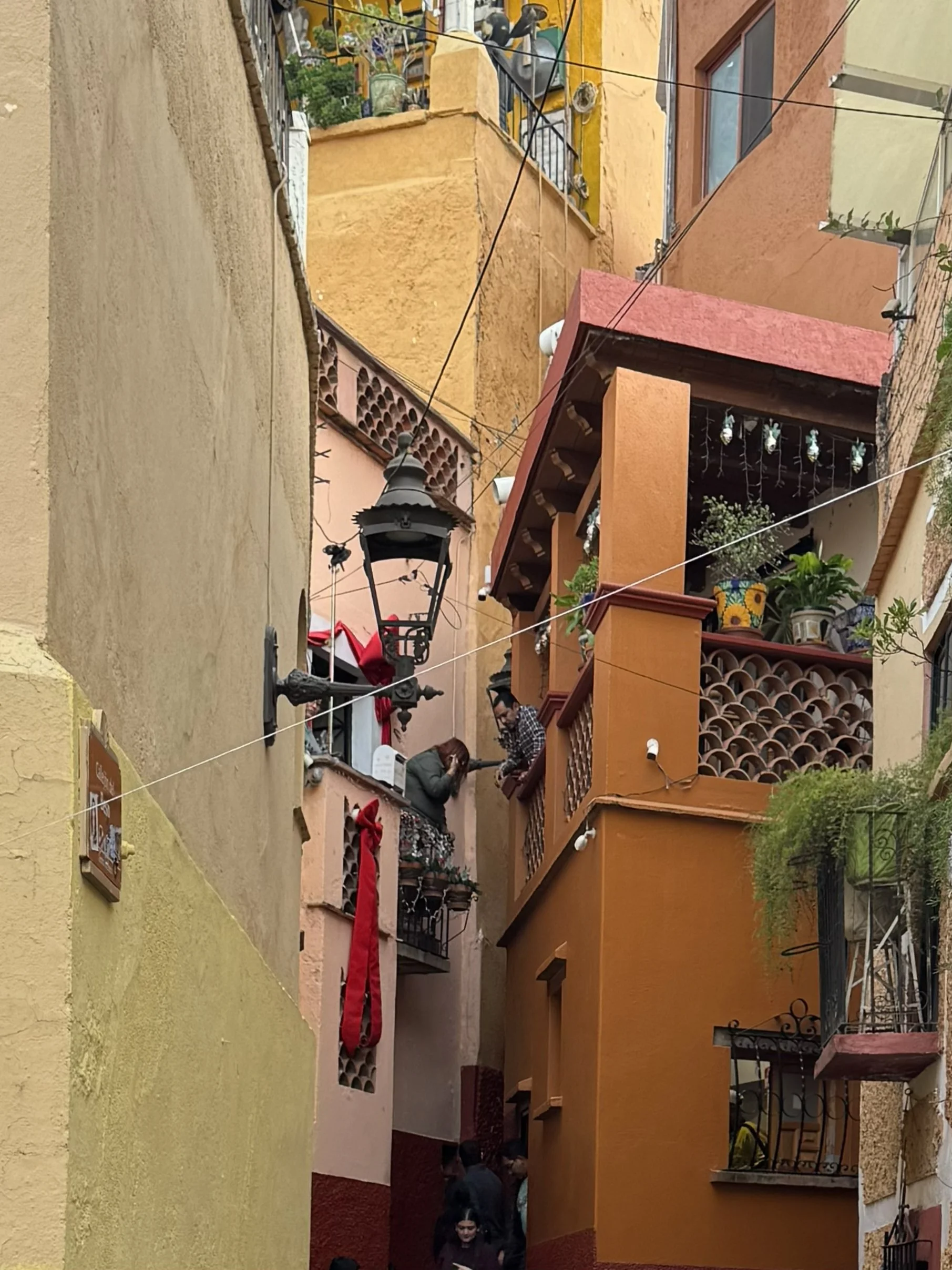
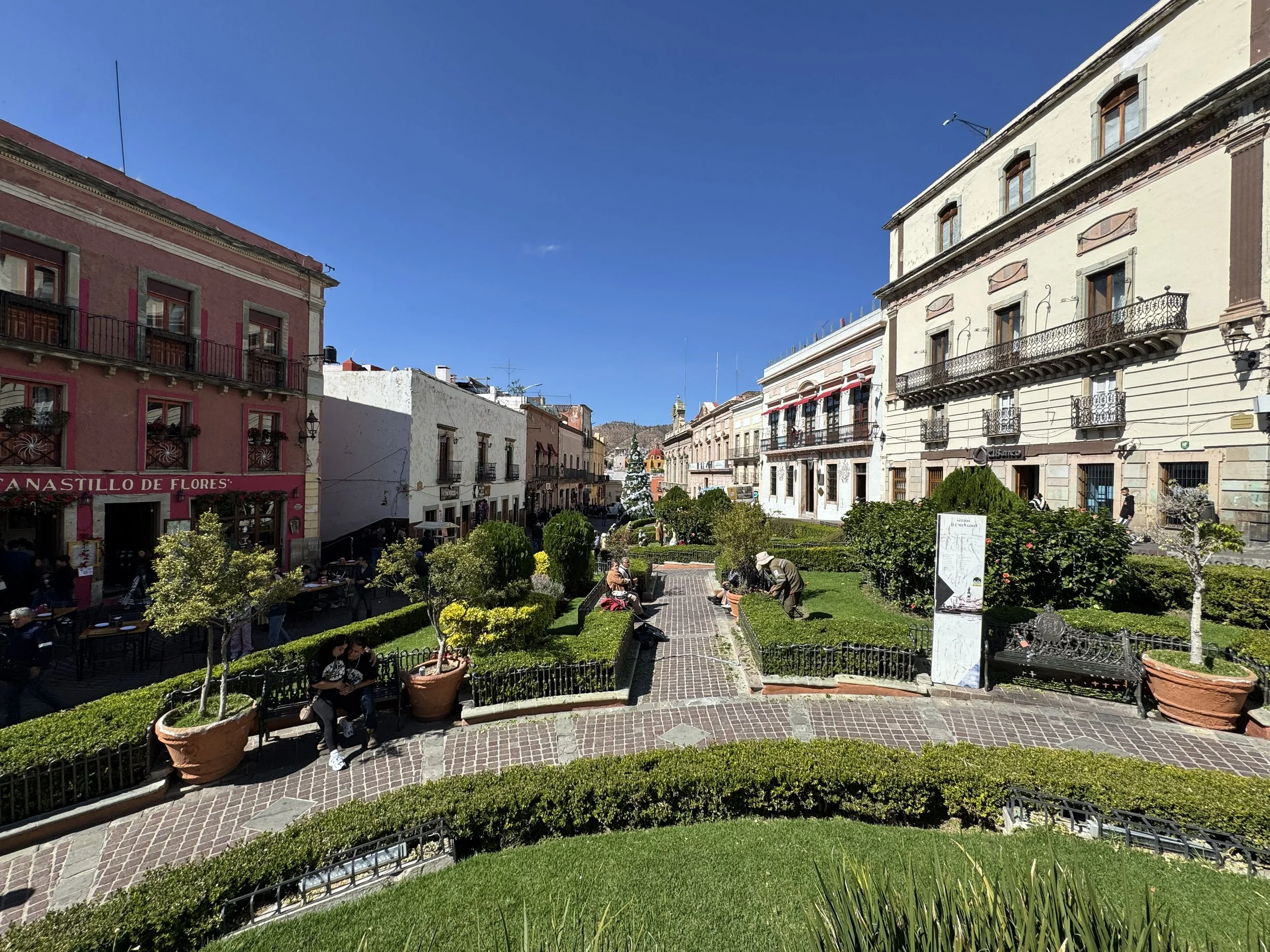
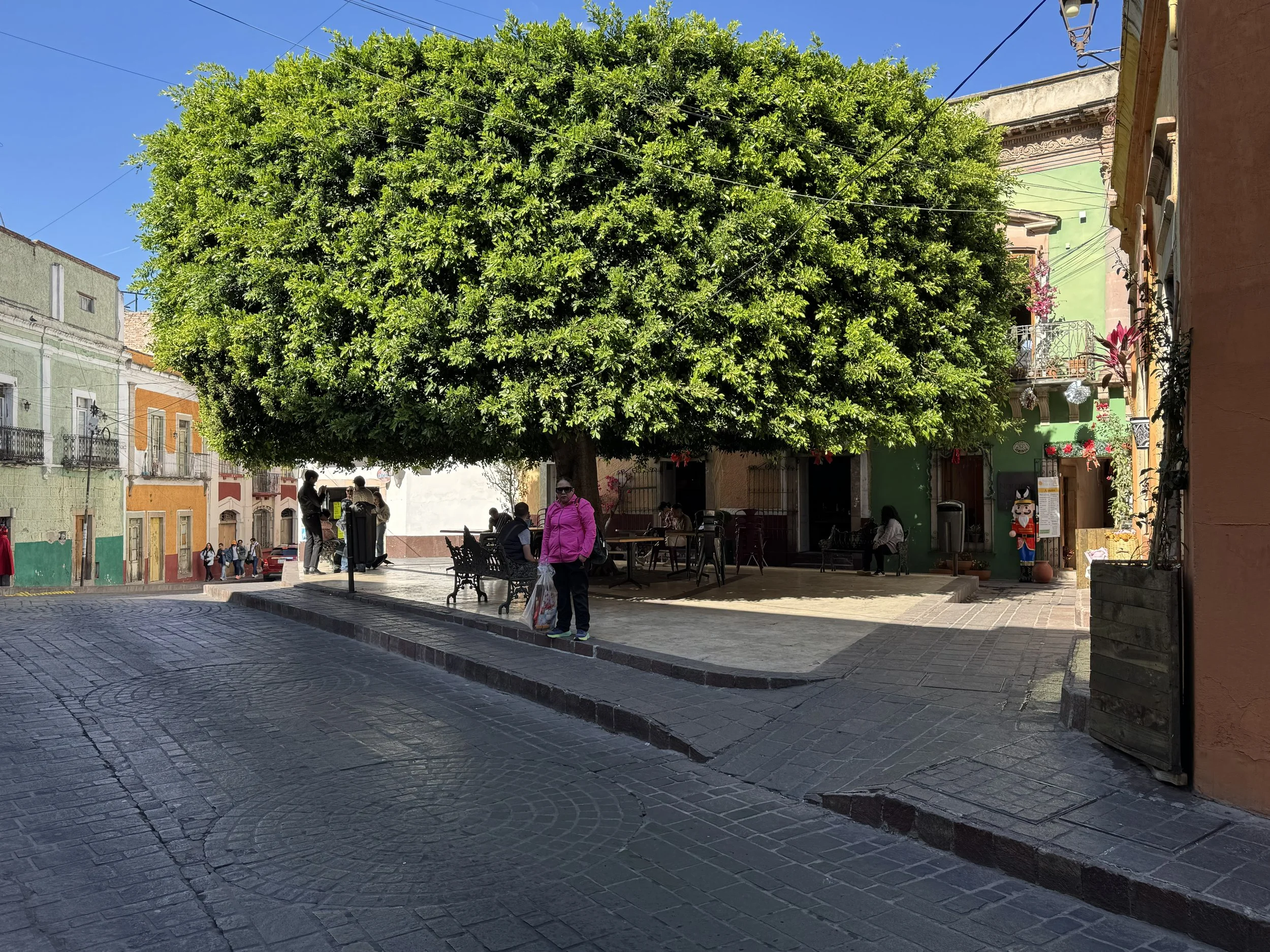
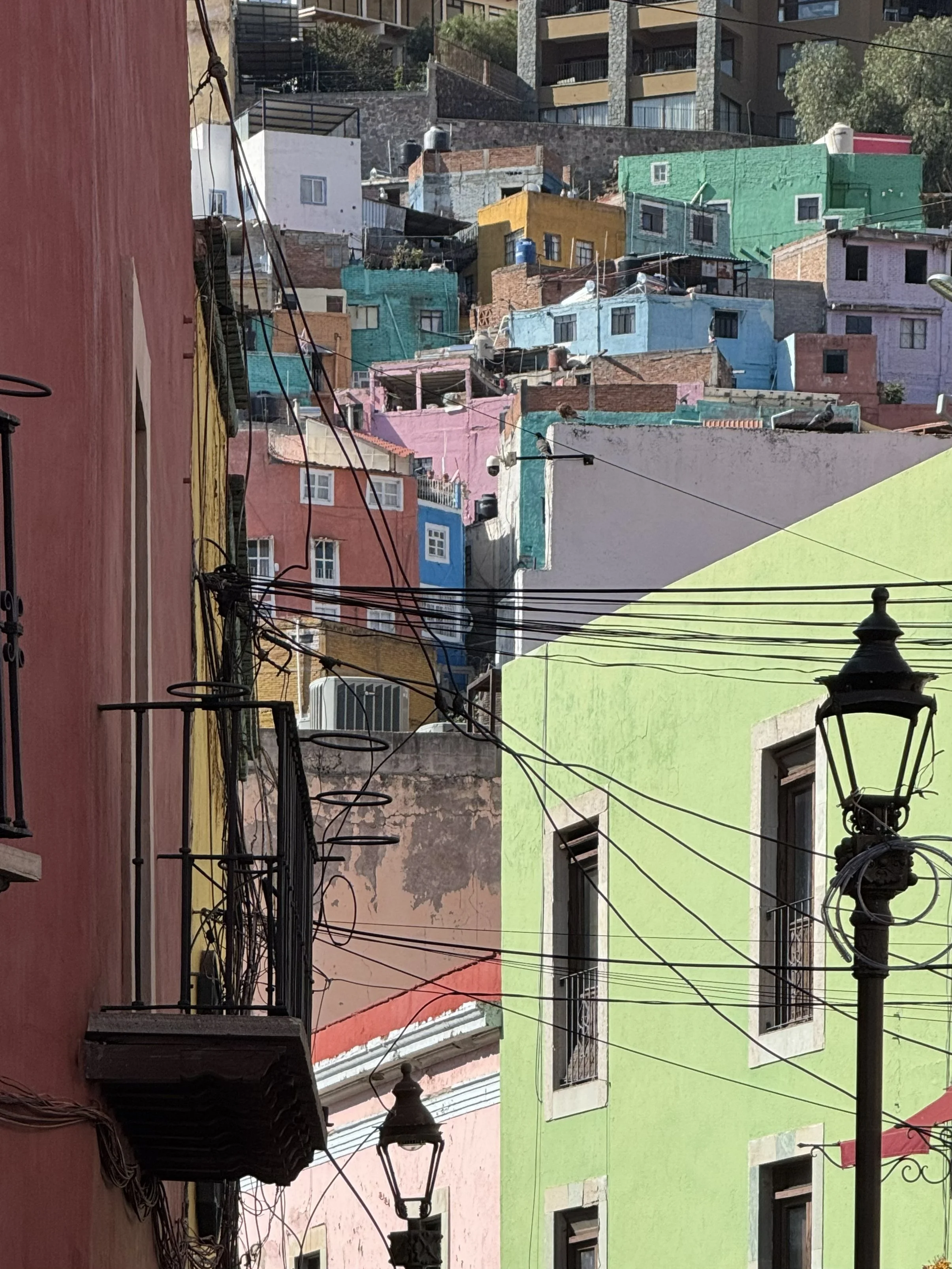
Houses form continuous walls lining the narrow streets with their painted facades, small windows and balconies. Within are courts and gardens which provide light and ventilation to these inward oriented worlds. The city is both dense and rich, with variations in height, color, setback, and alignment producing similarity and difference.
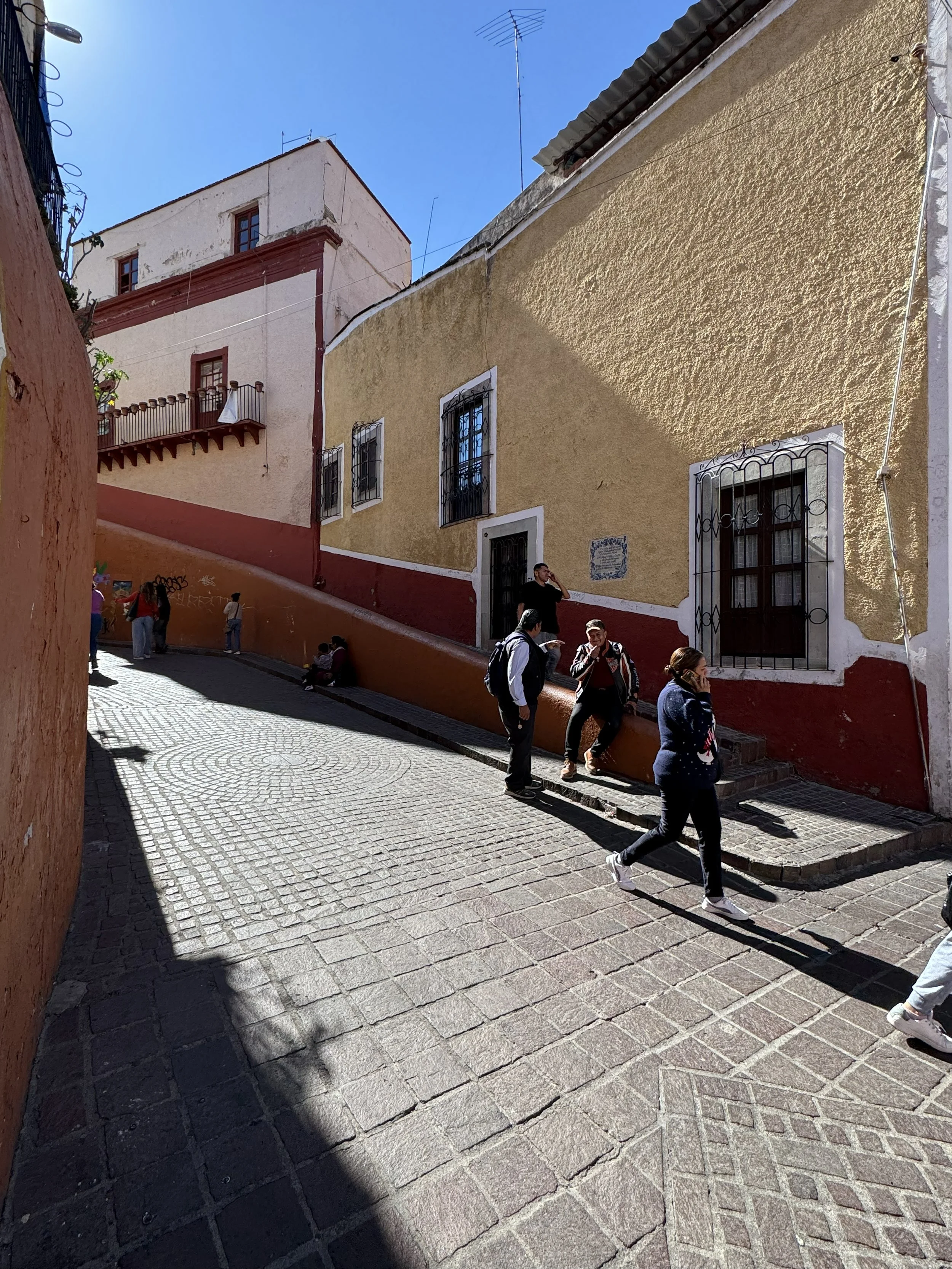
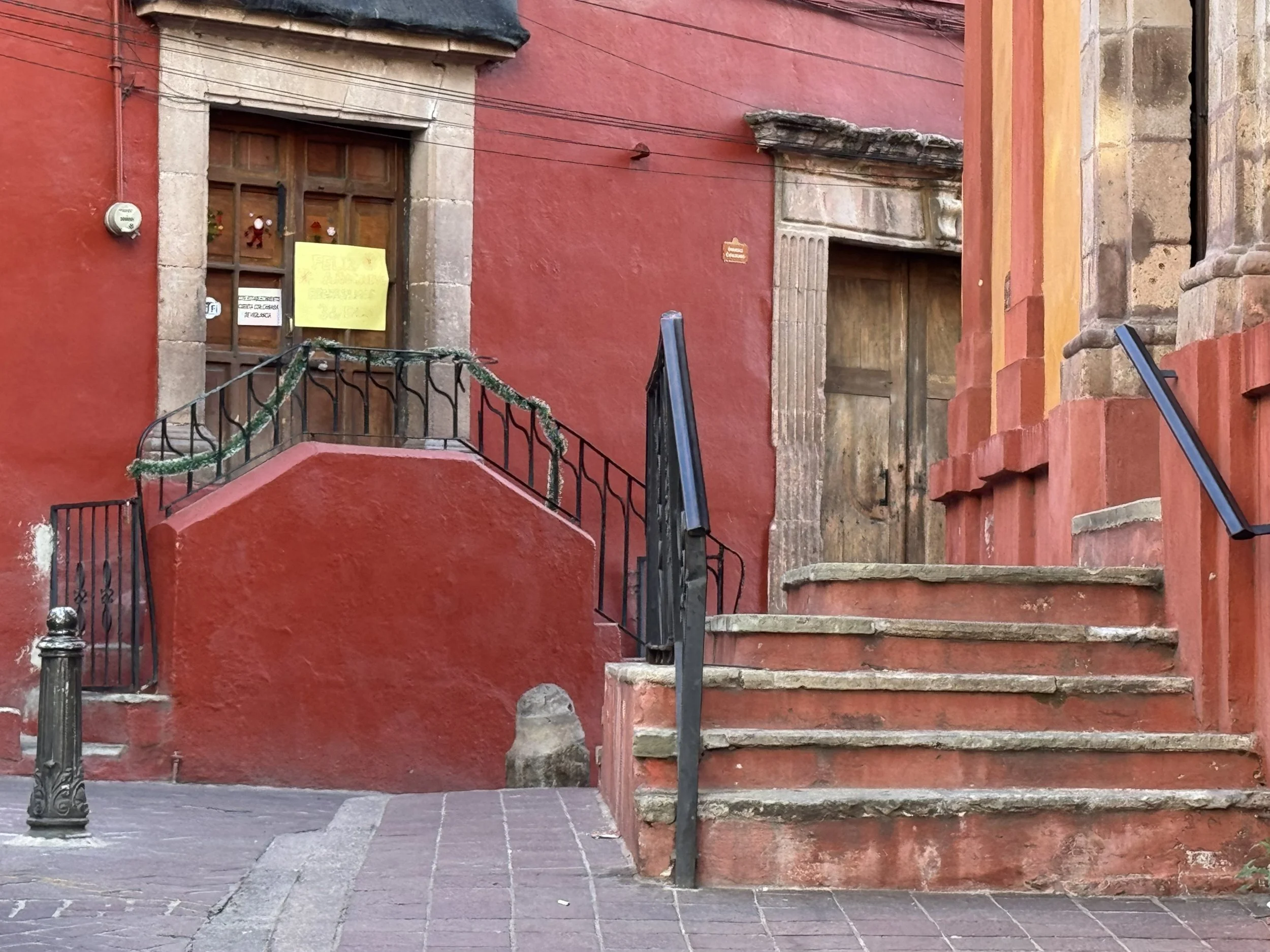
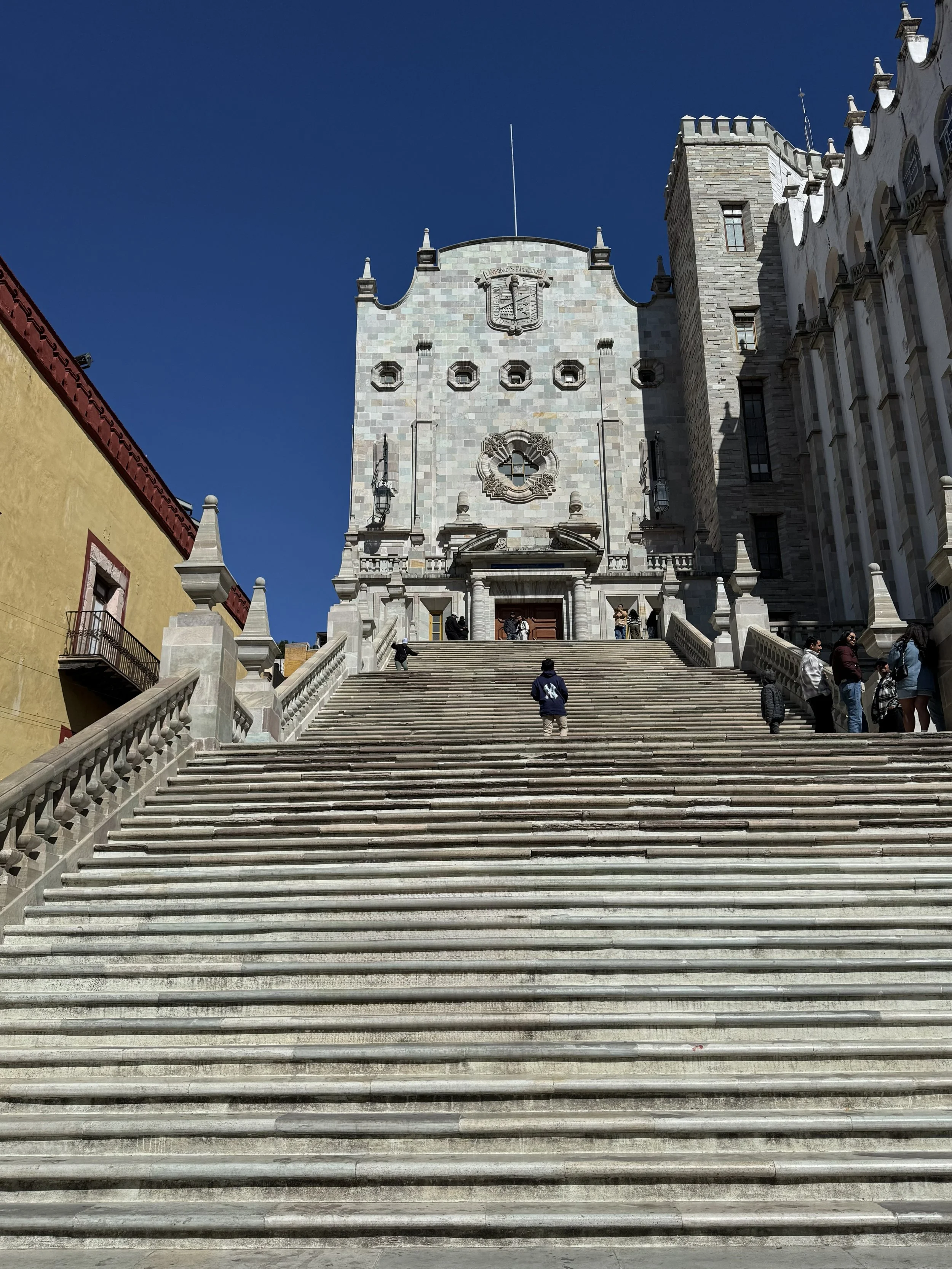
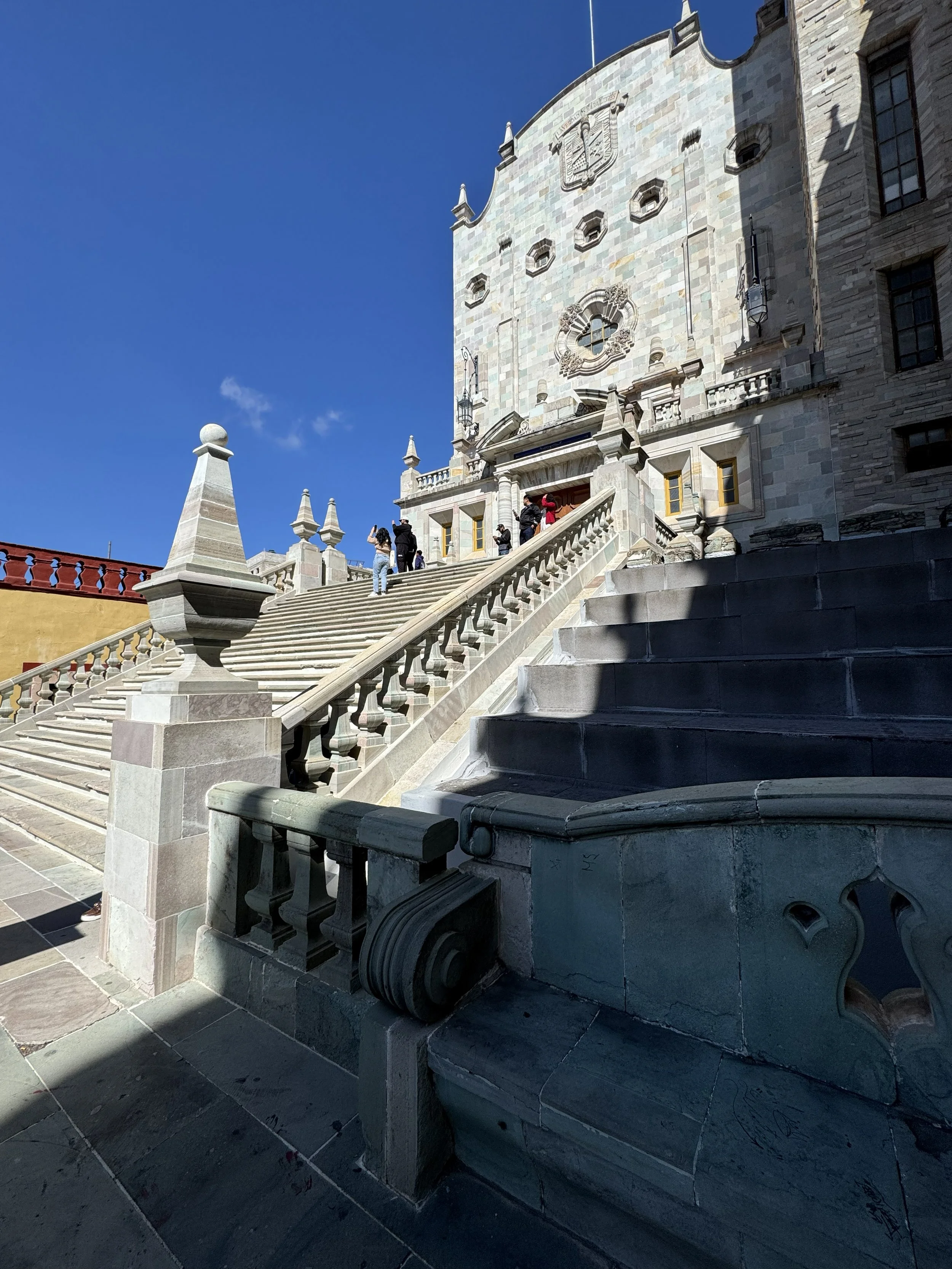
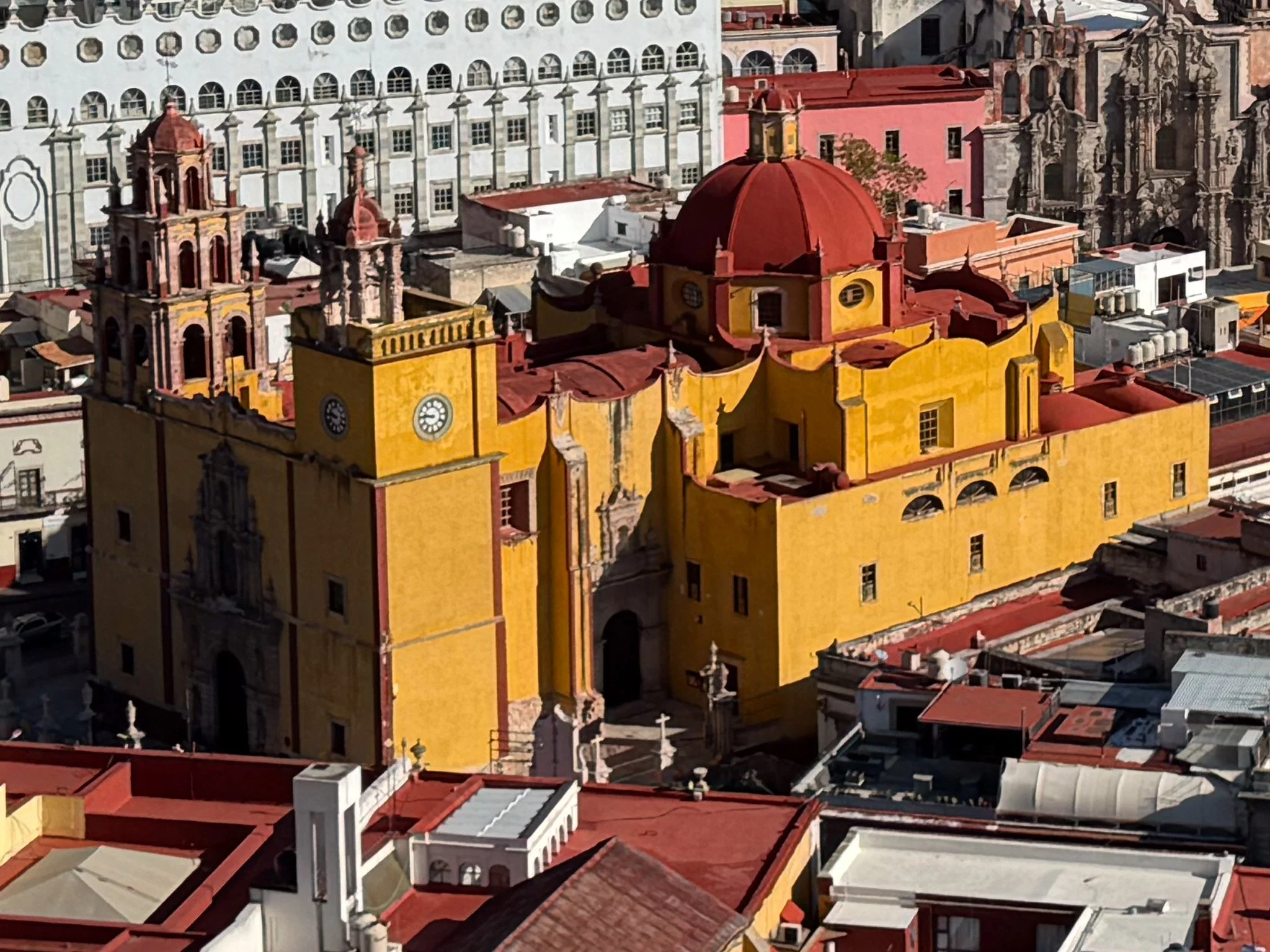
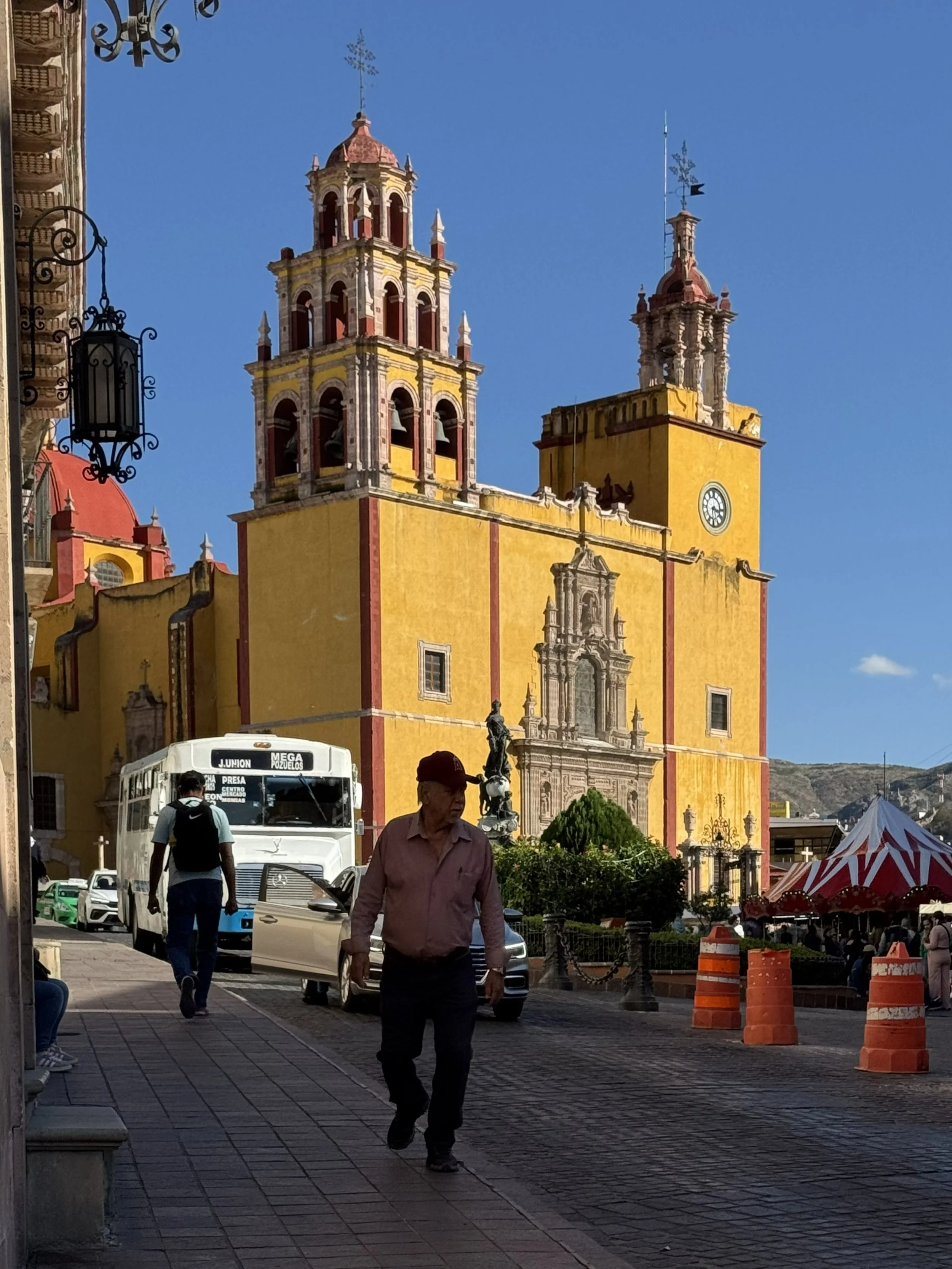
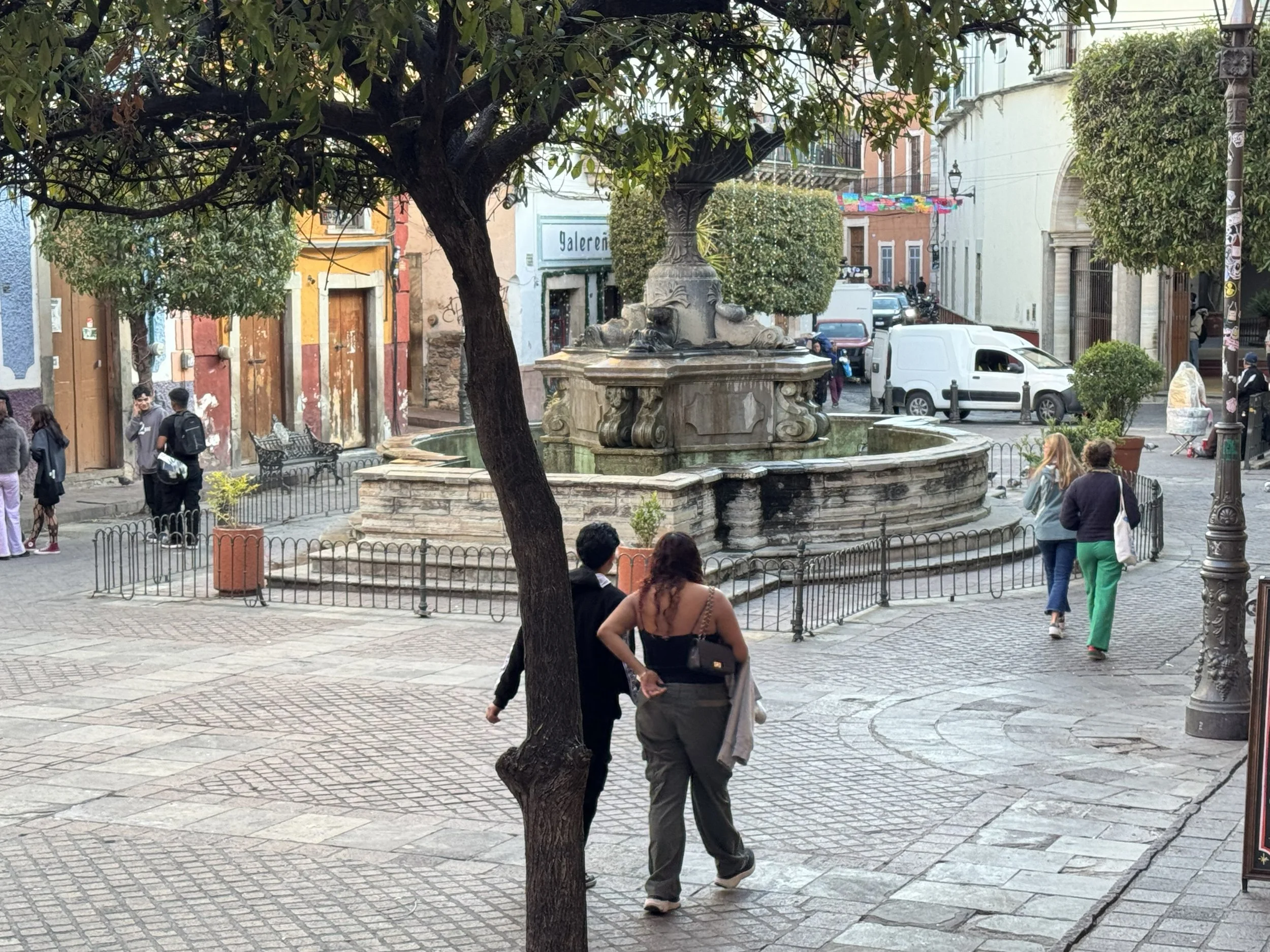
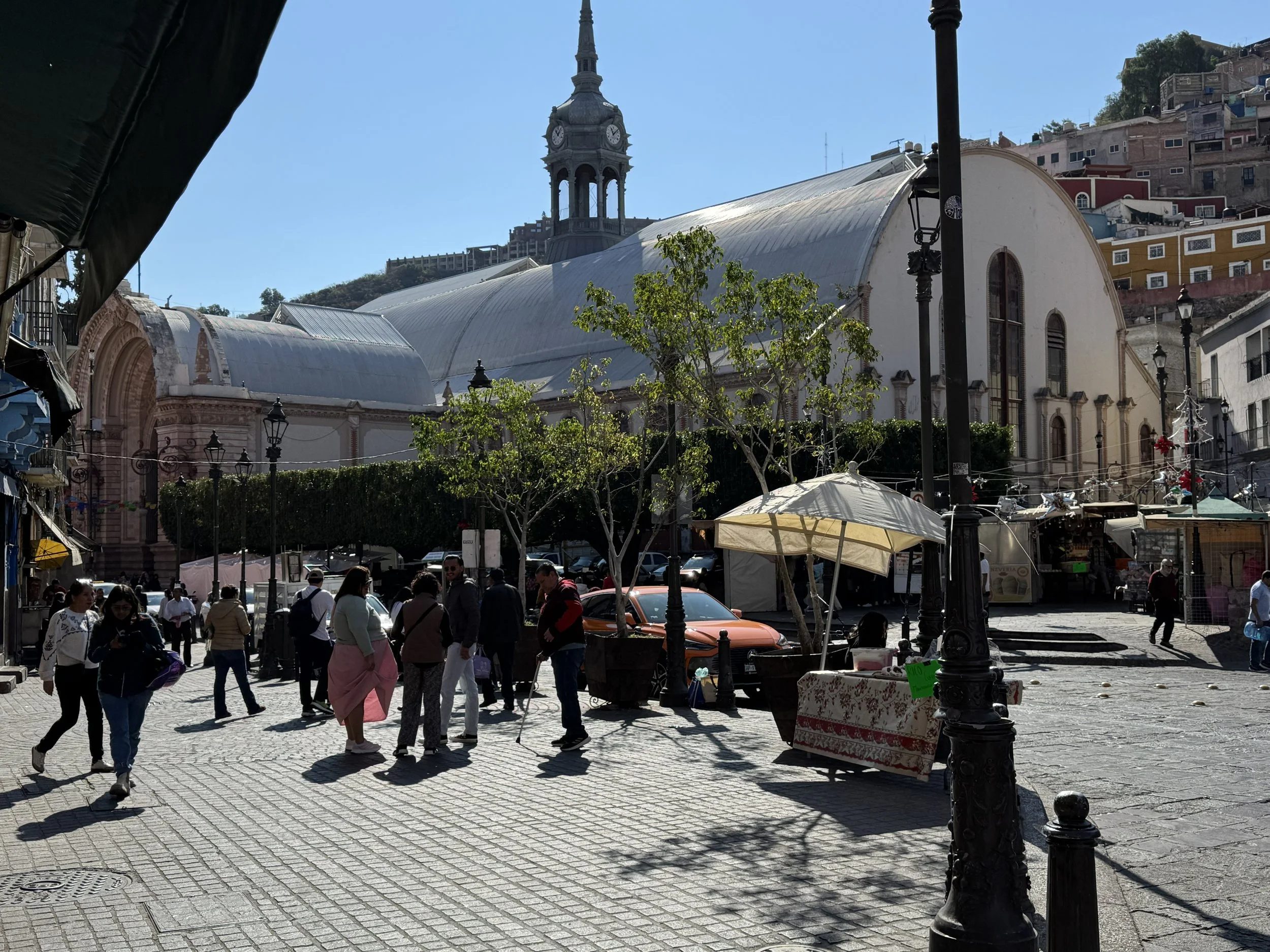
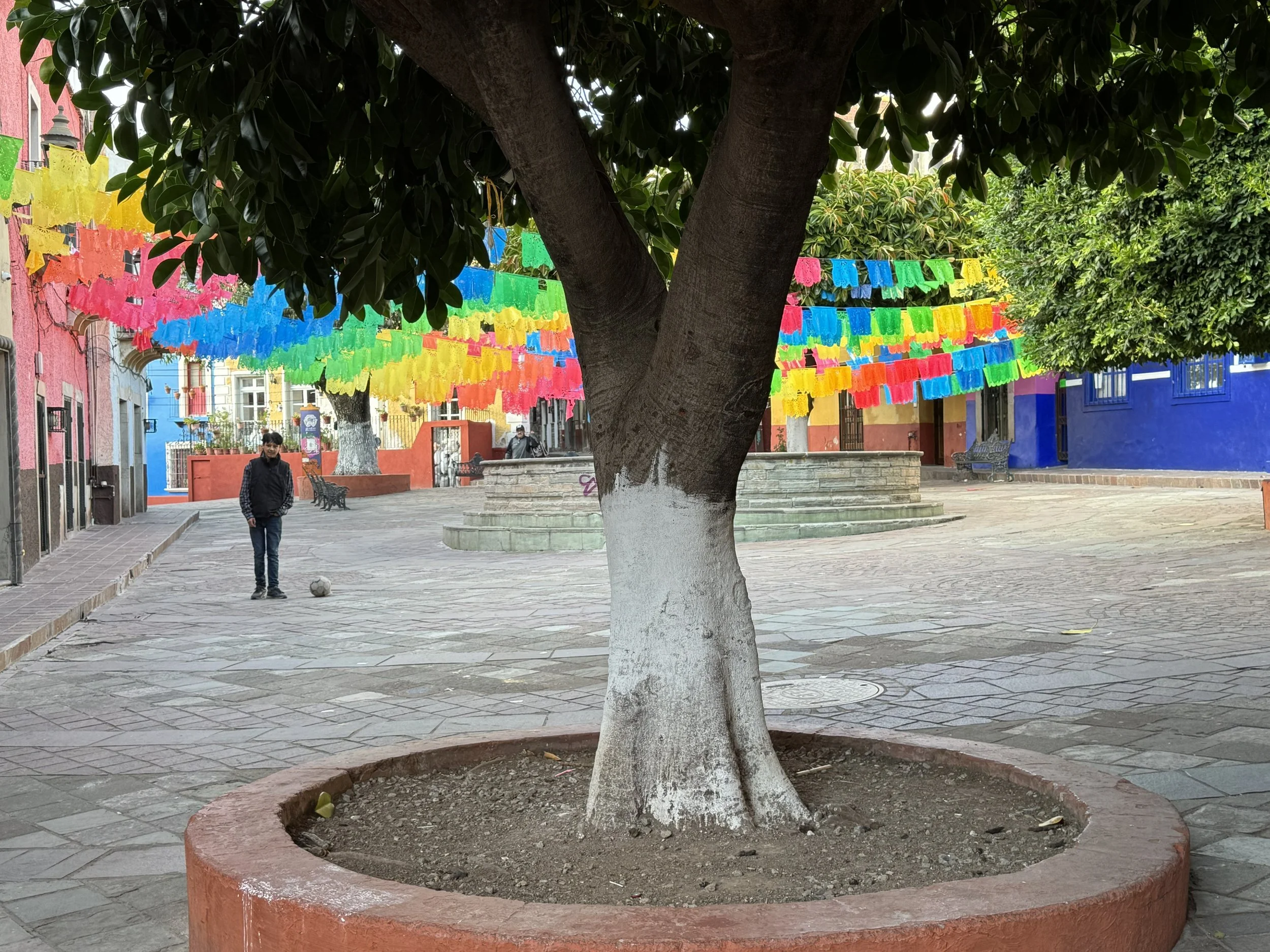
Baroque churches and institutional buildings with ornate stone façades contrast with the simpler domestic buildings around them. Homes, shops, schools, churches, and civic spaces are all interwoven vertically and horizontally. Plazas, steps, and street corners function as gathering places.
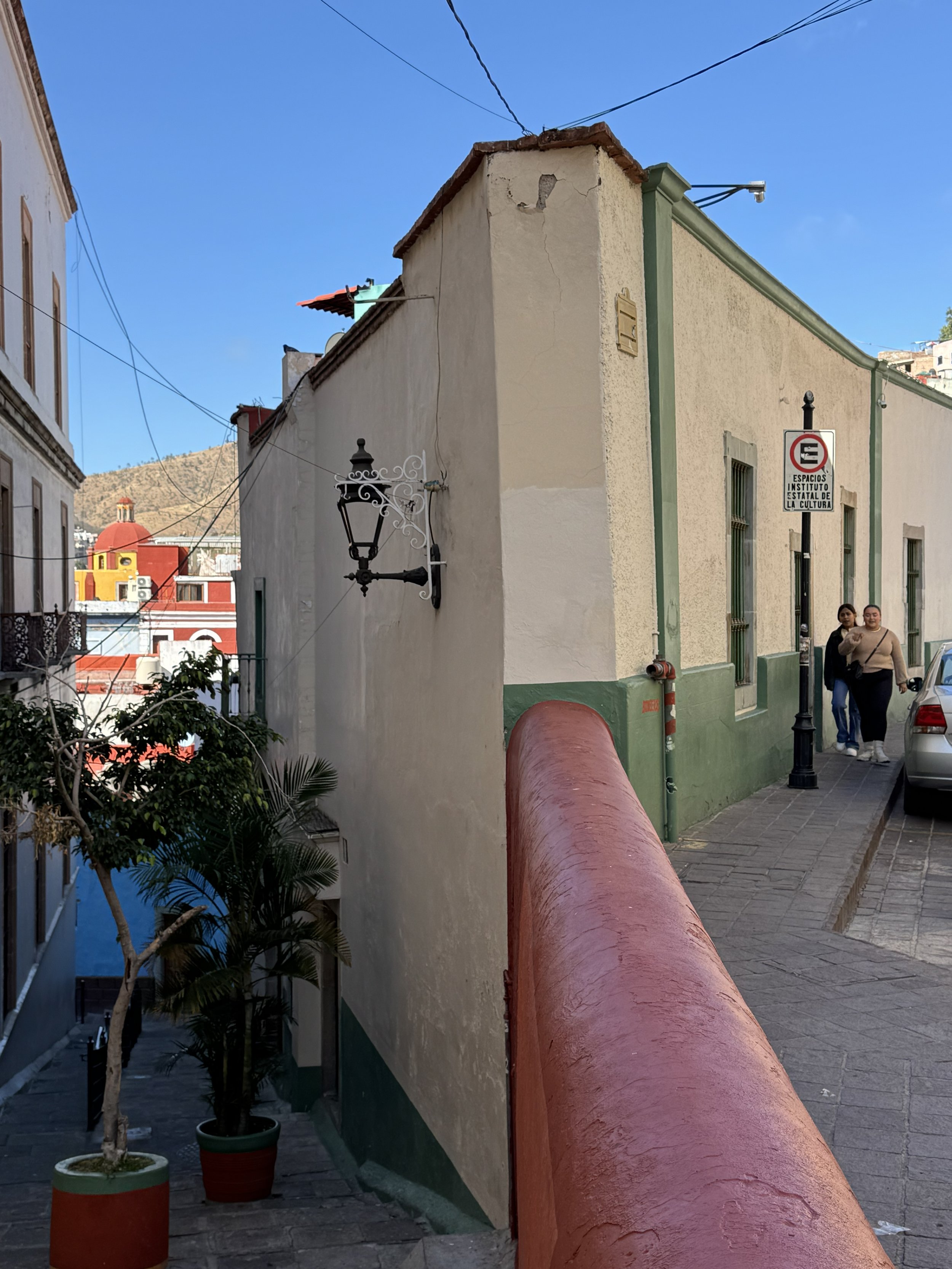
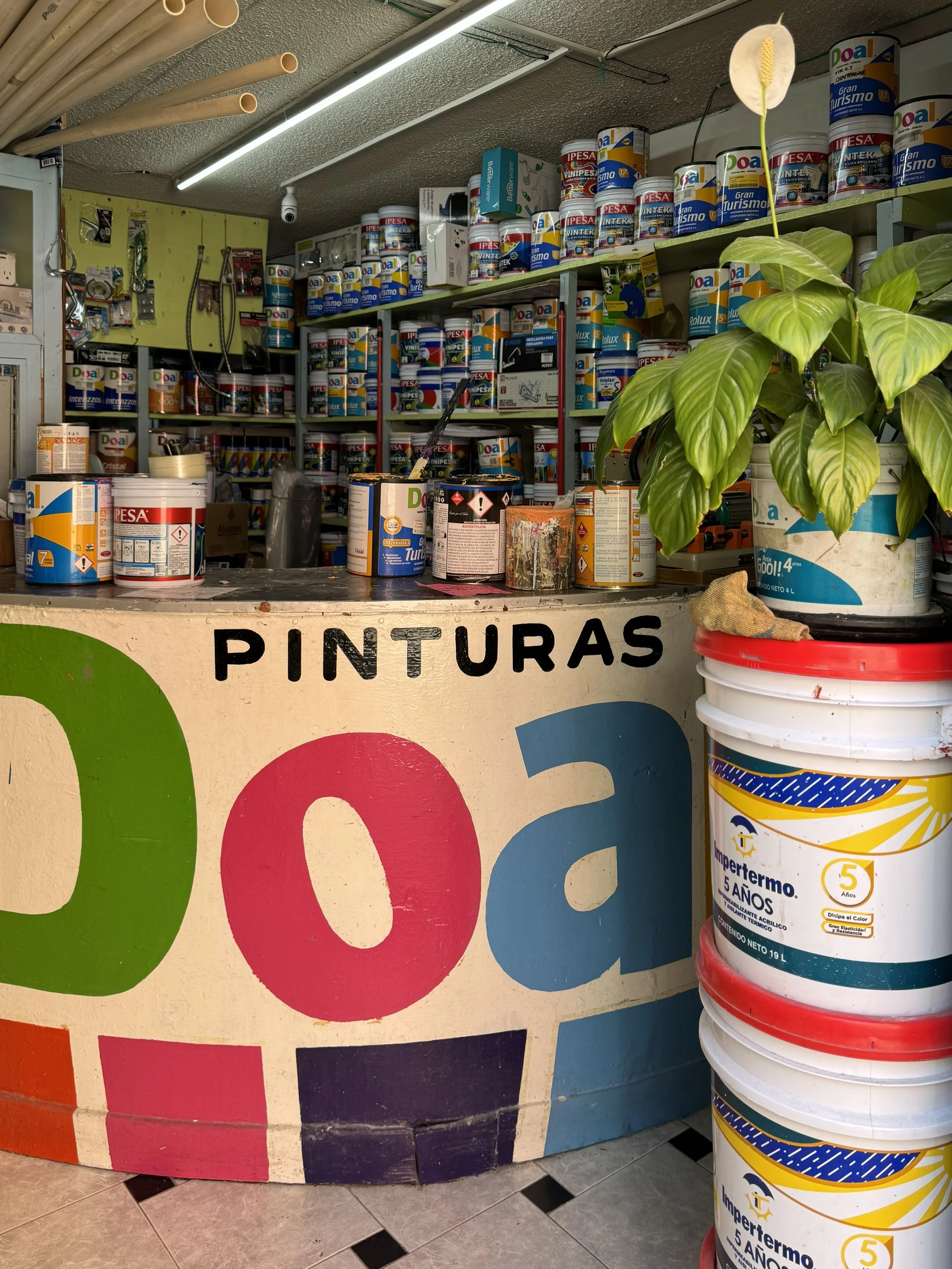
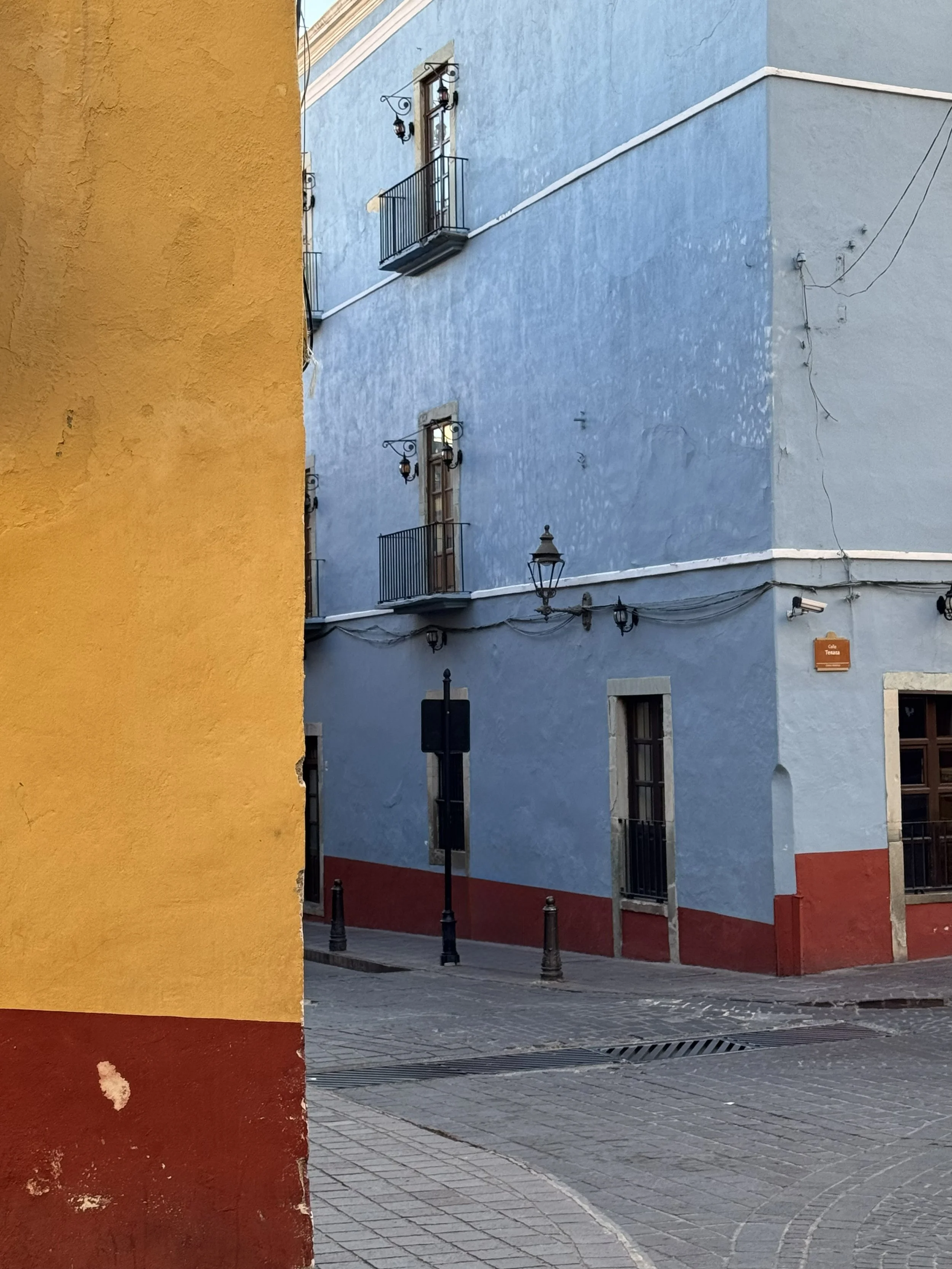
Color in Guanajuato provides orientation, identity, memory, and cohesion.
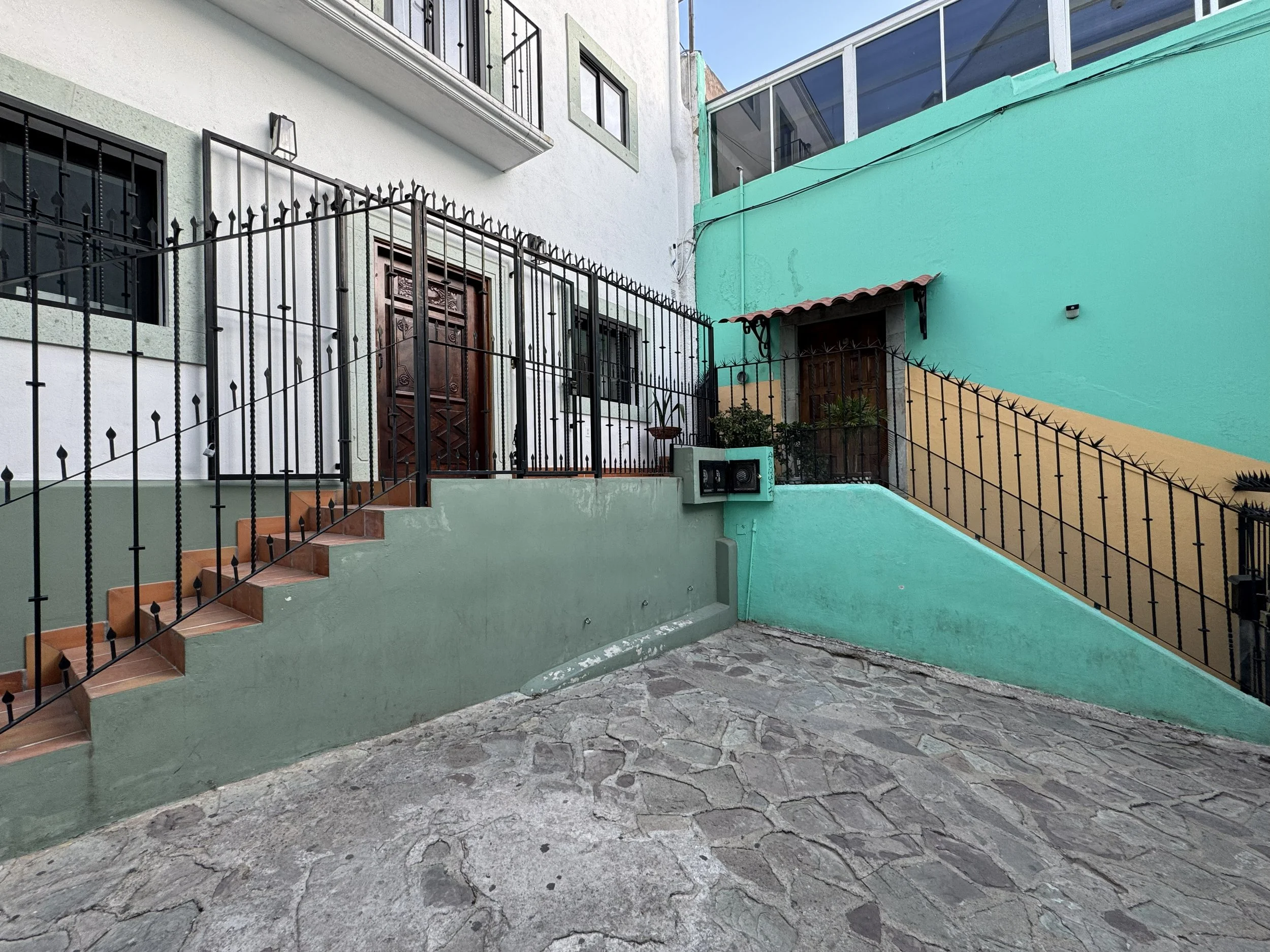
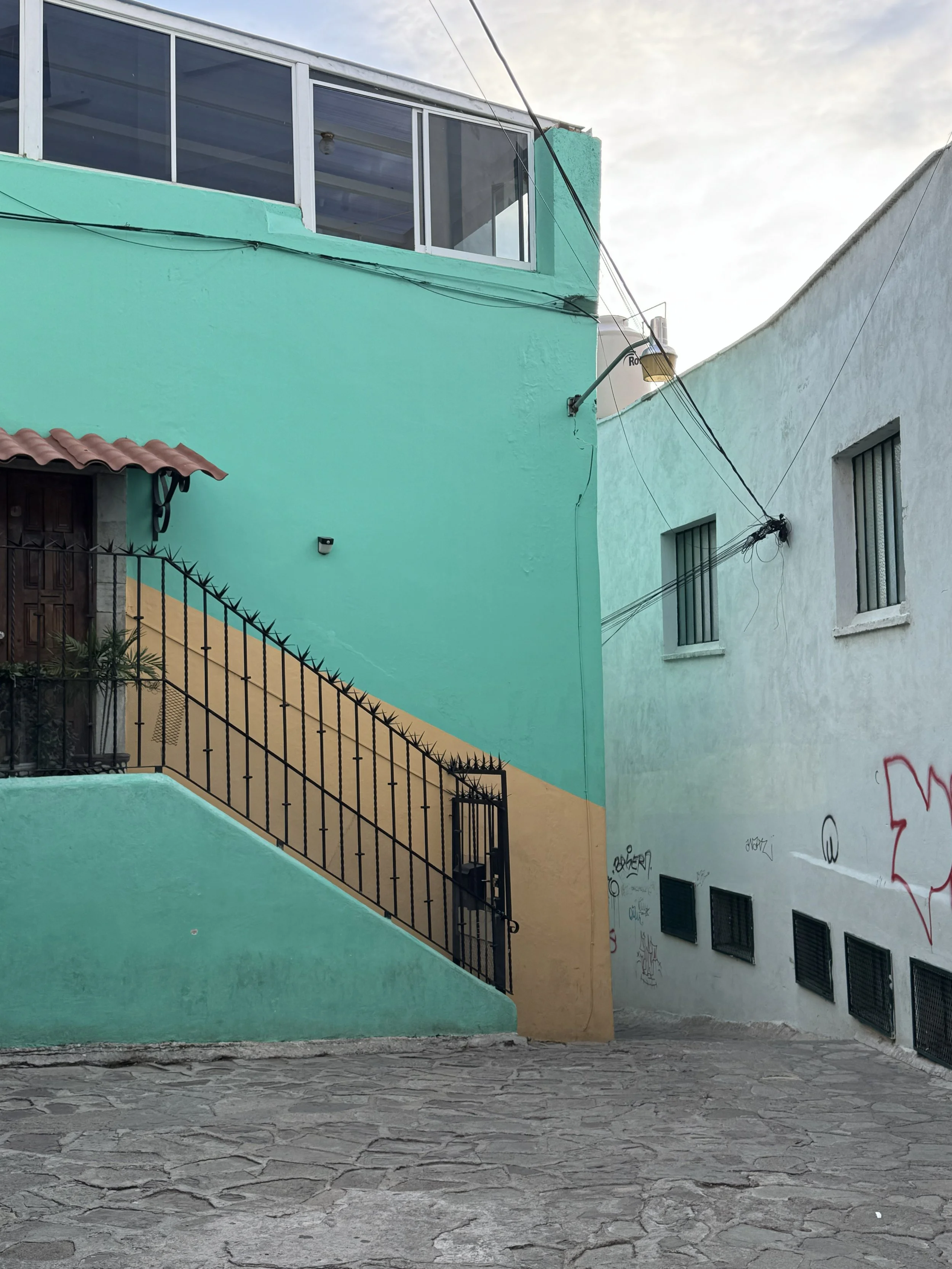
The diverse colors unify buildings of different ages and sizes into a coherent and resonant visual whole. The colors of Guanajuato shape how you move, orient yourself, and feel within the city.
At a distance, the hills read as a vibrating mosaic— saturated blocks of color pressed tightly together. The effect is simultaneous order and exuberance, both chaotic and coherent.
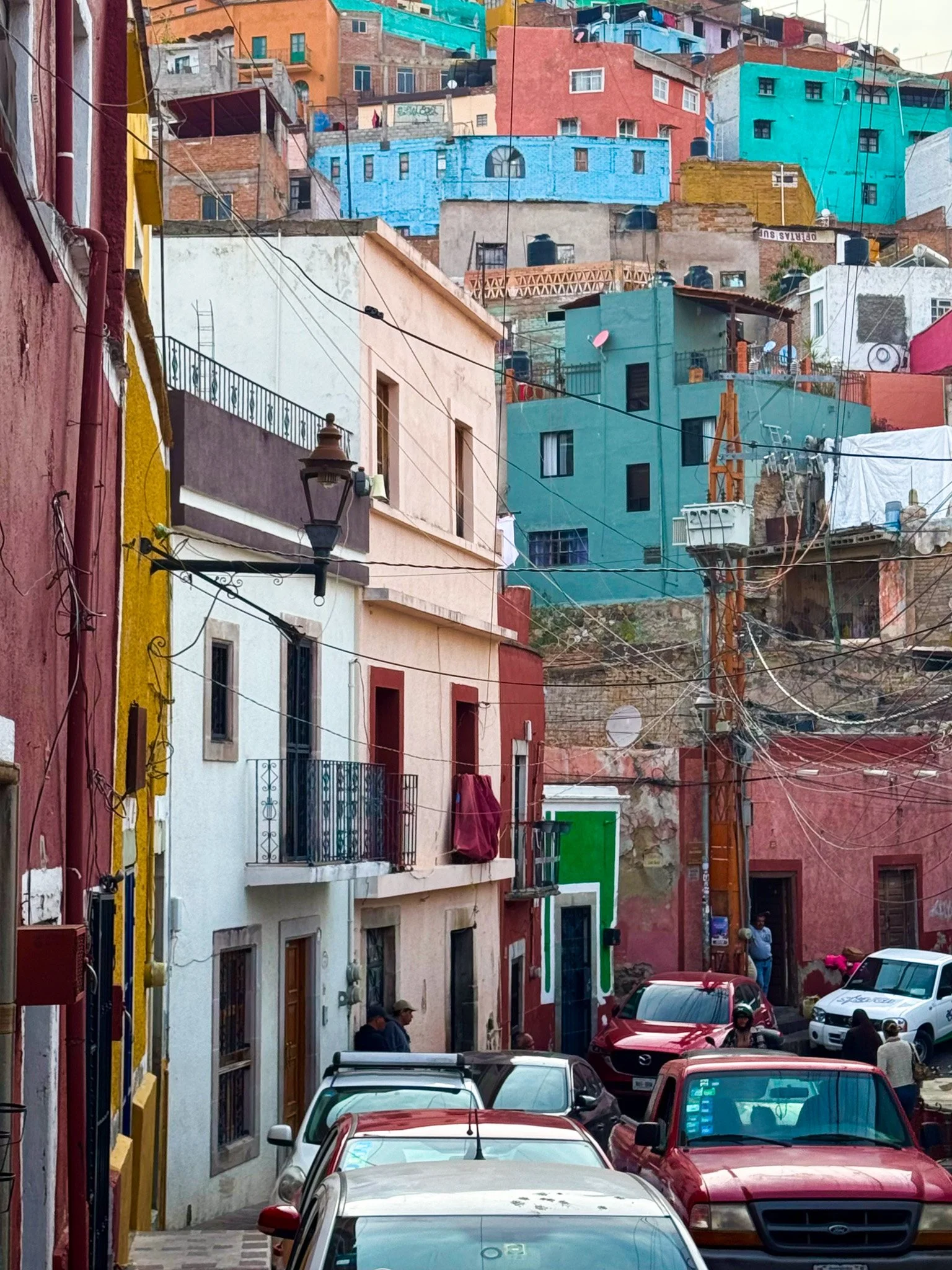
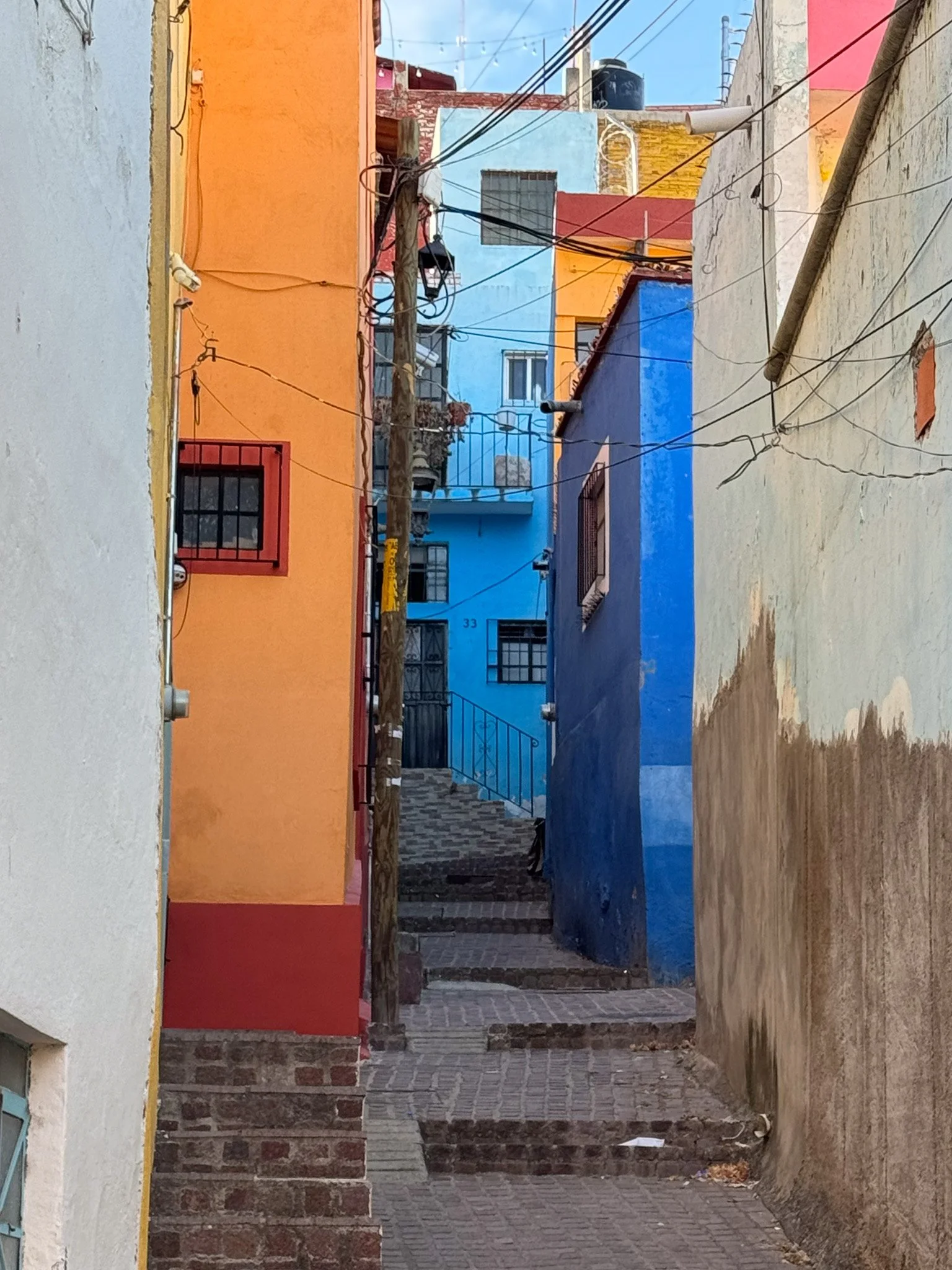
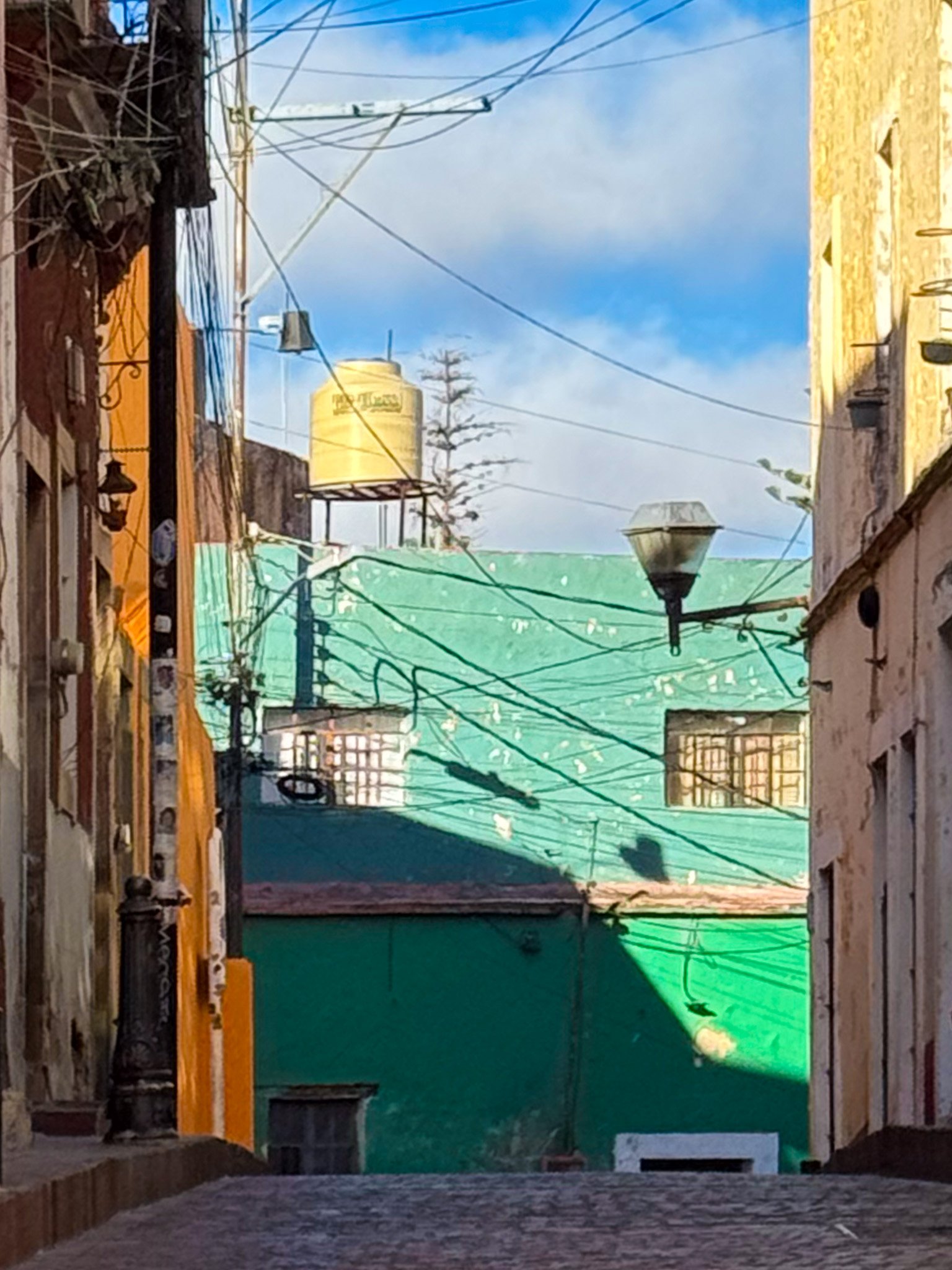
Up close, the experience shifts. In the narrow streets, color becomes immersive and tactile. Walls are so close that hues reflect off one another, tinting the light itself as one inhabits the three dimensional painting.
Color acts as orientation. Buildings are remembered by hue—the green house near the steps, the pink wall at the corner. In a city of similar forms and winding streets, color becomes a navigational system, a vernacular map.
Pigment binds architecture, landscape, and memory into a single continuous perception.
Guanajuato was declared a UNESCO World Heritage Site in 1988.